
Last updated November 4, 2026
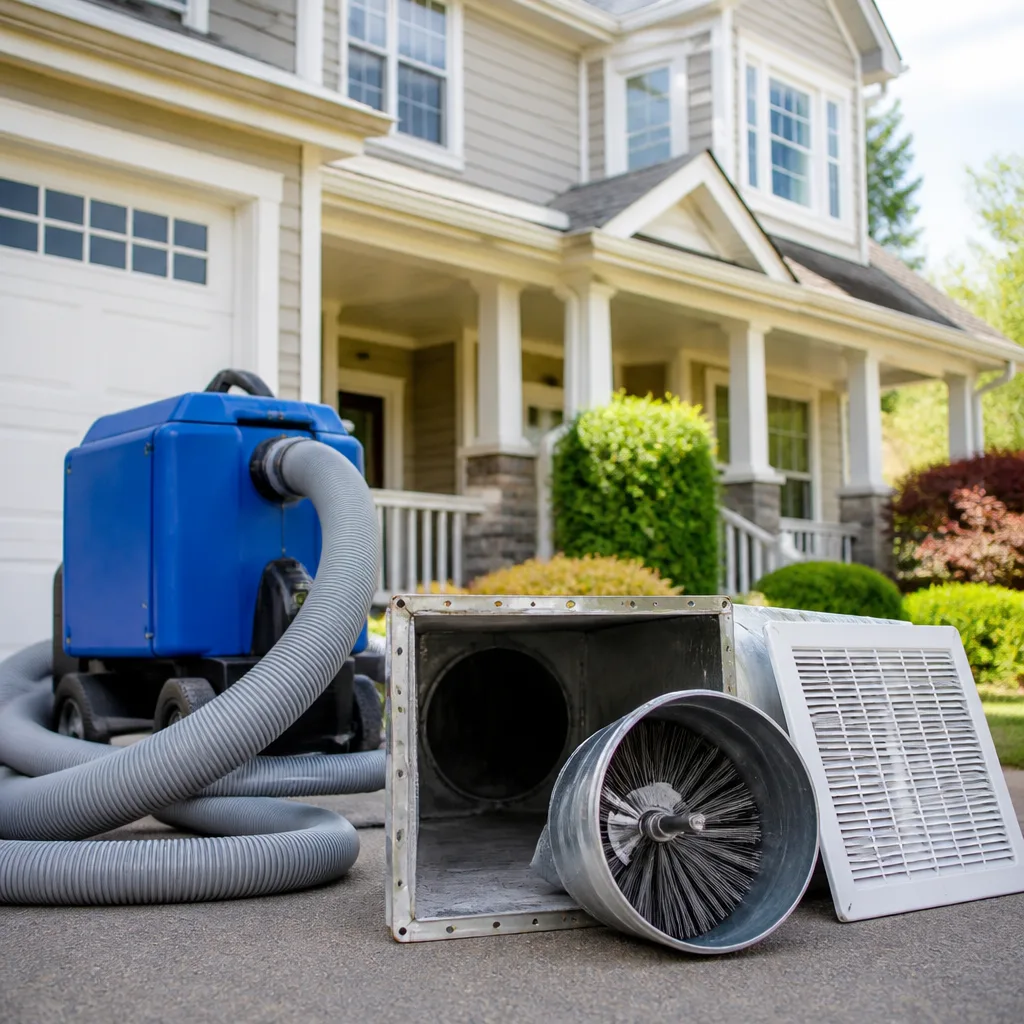 Whole-home duct cleaning
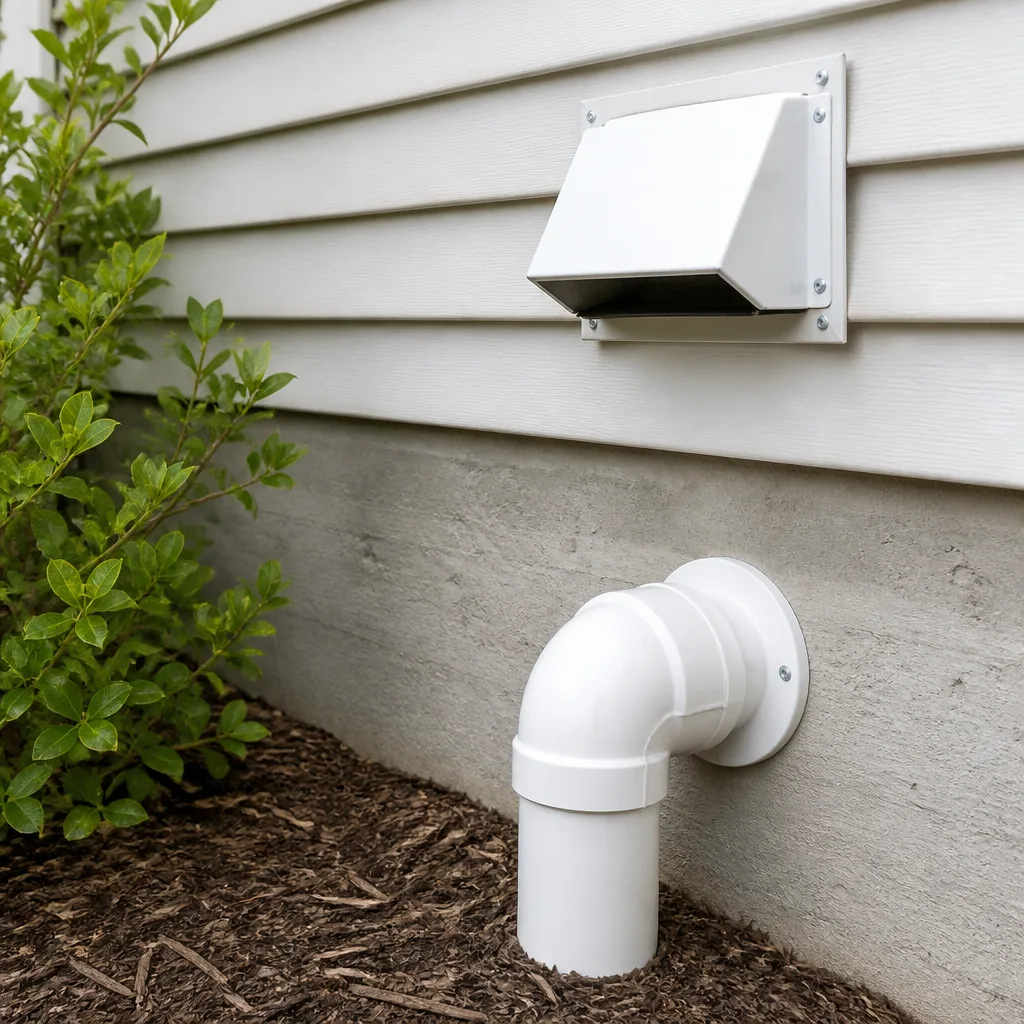 Dryer vent cleaning
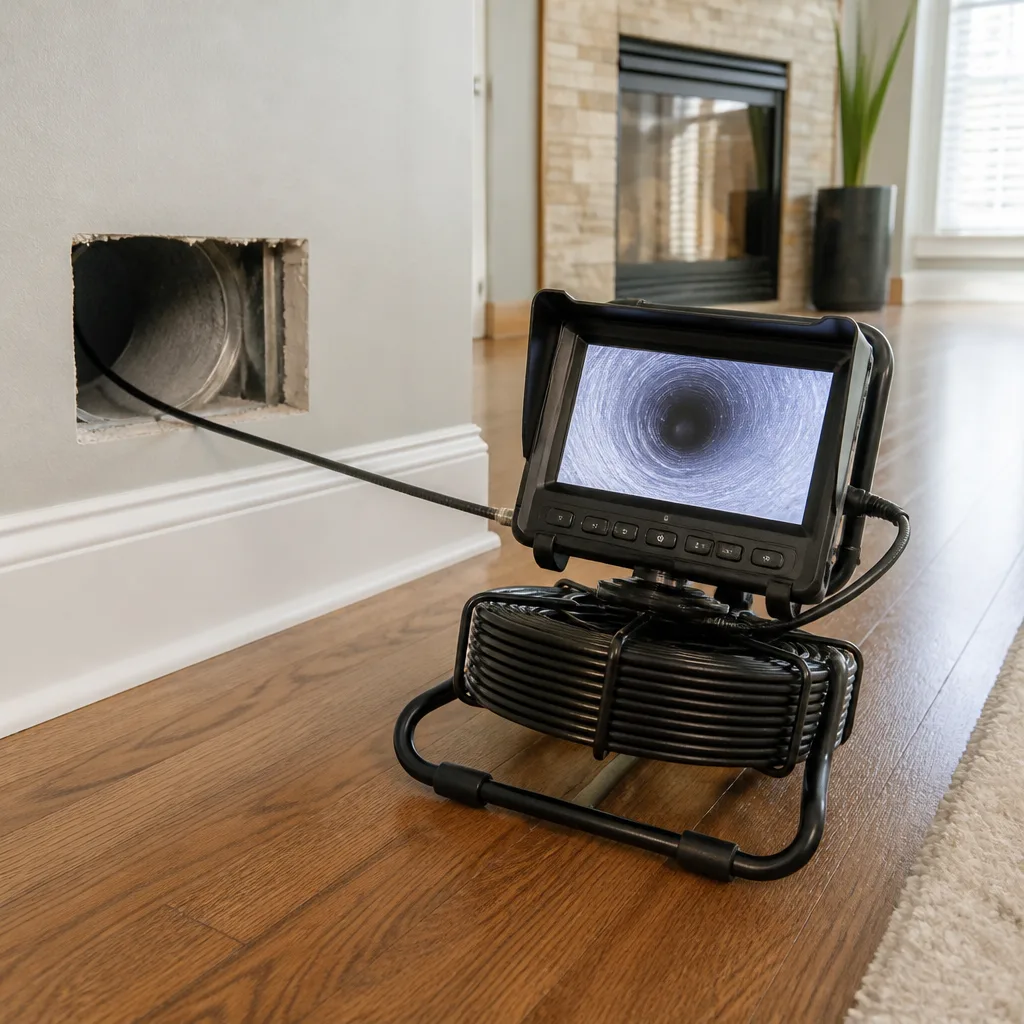 Camera inspection
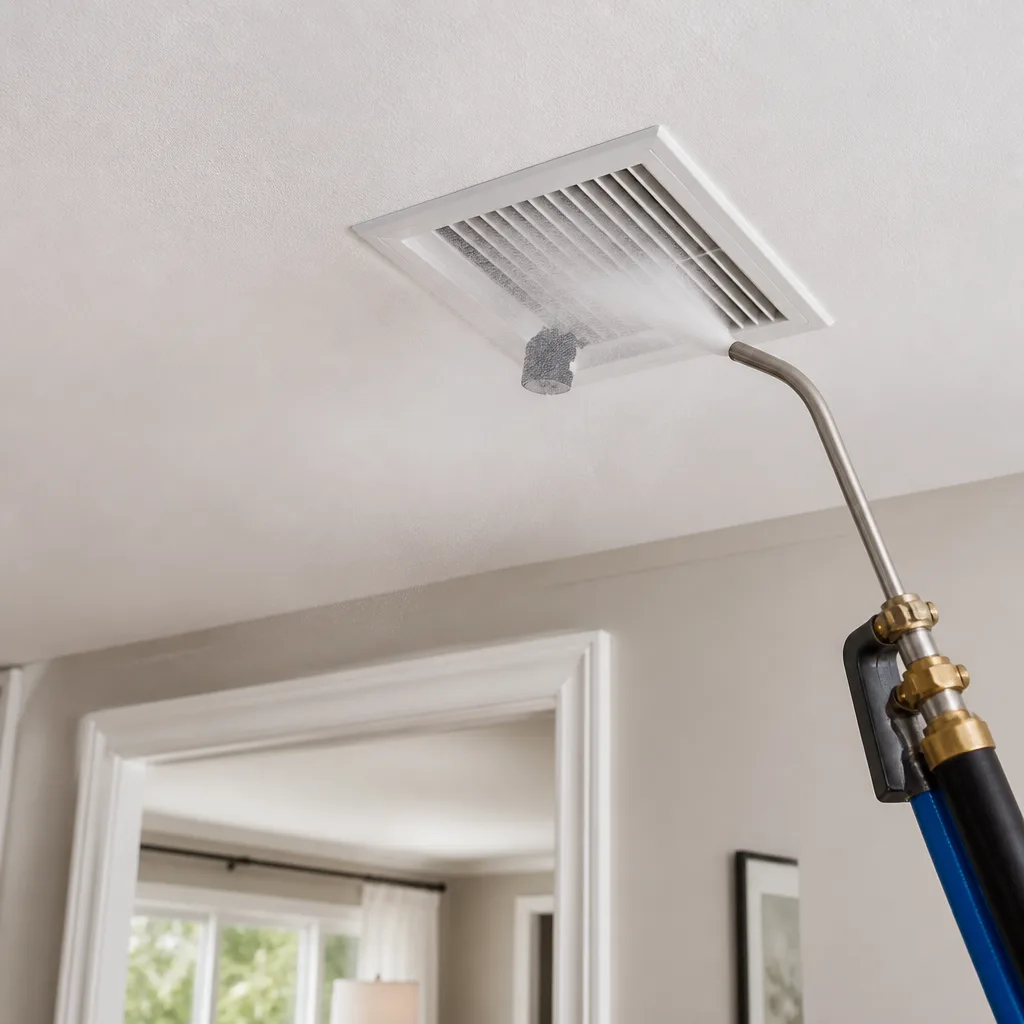 Sanitizing & deodorizing
Whole-system duct and dryer vent check with before-and-after photos - you see exactly what came out of your vents
That "$99 whole-house special" is a bait ad - the real number appears once they are in your hallway, or the "clean" is a shop-vac at the register. We photograph the inside of your ducts before and after instead.
Seasonal Air Duct Cleaning Care for Gilroy: Year-Round Homeowner’s Guide
Most Gilroy homeowners fire up the furnace on the first cool October evening without thinking about what’s been accumulating in the ductwork since spring. That’s the moment when six months of harvest dust, pollen, and whatever the Santa Ana-adjacent winds pushed through the return registers gets heated and pushed into every room. This guide explains what your duct system faces in each Gilroy season, what you can check yourself, and when the right move is a professional cleaning rather than another filter change. You’ll leave with a season-by-season plan that makes sense for how this valley actually behaves.
Quick Answer
Seasonal air duct care in Gilroy means timing your maintenance around four distinct pressure points: pre-furnace fall startup, winter condensation risk in crawlspace duct runs, spring agricultural pollen loading, and summer wildfire smoke events. The most important action is cleaning and inspecting ductwork before the first furnace cycle each fall, not just swapping the filter. A professional air duct cleaning should include both cleaning and a visual inspection of duct integrity, since compromised flex duct in a Gilroy crawlspace creates different problems in December than it does in July.
Styles & brands we work with
- Whole-home duct cleaning
- Dryer vent cleaning
- Camera inspection
- Sanitizing & deodorizing
Table of Contents
- Fall (Sep – Nov): The First Furnace Run Is the Highest-Risk IAQ Event of the Year
- Winter (Dec – Feb): Rain, Crawlspaces, and Condensation Inside Duct Runs
- Spring (Mar – May): Agricultural Pollen Loading and Filter Upgrade Timing
- Summer (Jun – Aug): Wildfire Smoke Infiltration and the MERV Upgrade Question
- How to Build a 12-Month Duct Log for Your Gilroy Home
- Common Mistakes to Avoid
- When to Call a Professional
- Frequently Asked Questions
Fall (Sep – Nov): The First Furnace Run Is the Highest-Risk IAQ Event of the Year
By late September in Gilroy, the air has been carrying garlic and tomato processing dust for weeks, the ground is dry, and the wind picks up loose soil from every bare field between here and Hollister. Your duct system has been pulling that air through the return registers all summer whenever the AC ran. Now the nights drop into the 50s, you switch the thermostat from cool to heat, and the blower pushes heated air across every surface inside the ducts. What happens next is simple: heat loosens the bond between dust and duct walls, and the first few furnace cycles send a sharp, musty smell through the vents. That smell is six months of accumulated particulate getting cooked.
The window between harvest processing and the first sustained furnace use is the single most important maintenance moment of the year in Gilroy. Waiting until you smell something means you’ve already breathed the first flush of whatever settled in the return trunks. What makes fall different from other seasons is that the system transitions from cooling mode, where condensation on the coil keeps some dust trapped, to heating mode, where things dry out and become airborne.
A professional cleaning before the first furnace run should do three things: remove the accumulated harvest-season dust from the trunk lines and branch runs, check the return-side plenum for debris that settled during summer operation, and inspect flex duct connections for the sagging and separation that dry summer heat can cause. Our technicians run a Rotobrush contact-cleaning system through the duct work, which physically scrubs the duct wall instead of just blowing debris toward the next register. A Nikro HEPA vacuum runs the entire time, so what gets loosened gets captured rather than recirculated into your living space. That matters in fall, because the last thing you want is a cleaning process that pushes harvest dust into the house you’re about to heat for the next five months.
Before the First Furnace Run: A 5-Step Pre-Heat Checklist
- Inspect the filter housing. A filter that’s been in since May is loaded with summer pollen and dust. Change it before the first heat cycle, not after you smell something.
- Remove register covers and look inside. If you see visible dust clumps or gray buildup on the register boot, that’s what the furnace is about to push into the room.
- Check the return grille location. In many Gilroy homes, the main return sits low on a wall or in a hallway. If it’s caked with dust, that tells you what the return trunk looks like.
- Run the fan only for ten minutes. Before you call for heat, switch the thermostat to fan-on and let the system circulate room air. If you smell dust, the duct work needs cleaning before you add heat.
- Visually inspect accessible flex duct in the crawlspace or attic. Look for sagging runs, kinked sections, or disconnected collars. A disconnected run in fall means heated air going into the crawlspace, not the bedroom.
If your home has Honeywell or Aprilaire IAQ components like media cabinets or electronic air cleaners, the fall check is the right moment to inspect those too. We know how to work around them without voiding your setup, and a clogged media filter defeats the purpose of having upgraded filtration in the first place.
Winter (Dec – Feb): Rain, Crawlspaces, and Condensation Inside Duct Runs
Gilroy doesn’t freeze, but it does get wet. December through February brings steady rain, and that rain changes what happens inside the duct system, especially in the flex duct runs that live in crawlspaces and subfloor cavities. The mechanism is simple: cool, damp air outside the duct meets warm air inside the duct, and condensation forms on the inner liner. That moisture mixes with whatever dust is already there and creates a paste that sticks to duct walls and, over time, supports mold growth. This is not a hypothetical. Homes with dirt-floor crawlspaces in older Gilroy neighborhoods like the area around Sixth Street or the streets off Wren Avenue are especially vulnerable because ground moisture rises into the cavity and keeps humidity high all winter.
What should you look for in winter? First, check whether any flex duct runs are lying directly on the crawlspace floor. Duct work should be suspended or at minimum resting on a vapor barrier, not sitting in contact with damp earth. Second, feel the air coming from registers on rainy days. If it feels clammy or smells earthy, that’s a sign of moisture inside the run. Third, check for visible condensation on the outside of exposed duct work in the crawlspace. Surface condensation on the duct jacket means the insulation value in that section is compromised.
Our approach to winter duct issues in Gilroy is different from fall. We inspect before we clean and repair what needs repairing, not every company does both. If a flex run is sagging, disconnected, or water-damaged, cleaning it only solves half the problem. Duct Cleaning Gilroy offers air duct repair as a defined service, which means the technician who finds a compromised section in January can fix it on the same visit rather than referring you to someone else. That matters when the rain keeps coming and every day with an open duct join means more moisture entering the system.
Winter Condensation Risk: Where to Look in a Gilroy Home
- Crawlspace flex runs – The highest-risk area. Look for sagging, ground contact, and torn outer jackets.
- Subfloor cavities in pier-and-beam homes – Common in older Gilroy construction. Moisture from wet soil rises into the cavity and surrounds the duct.
- Attic runs after heavy rain – Check for water staining on duct insulation if roof flashing or vents have leaked.
- Register boots in slab floors – If concrete stays cold and damp, condensation can form inside the boot where it meets the slab.
- Return plenums in garages – Garages in Gilroy stay cool and damp in winter. A return plenum in garage space can pull moist air into the system.
One more winter-specific point: dryer vents. Winter is when people run dryers longer, doors stay closed, and lint buildup becomes both a performance problem and a fire-safety issue. Dryer vent cleaning addresses a leading household fire-risk factor, not just an air-quality upsell. If your dryer is taking two cycles to finish a load in January, the vent run is restricted, and the restriction is only going to get worse as winter humidity makes lint clump instead of blowing loose.
Spring (Mar – May): Agricultural Pollen Loading and Filter Upgrade Timing
March in Gilroy brings green hills, blooming orchards, and a massive pollen load from the surrounding agricultural belts. The Santa Clara Valley and the farmland stretching toward San Martin and Morgan Hill produce pollen from grasses, tree crops, and flowering row crops all through the spring months. If you live in Gilroy, that pollen enters your home through open windows, rides in on clothes and hair, and gets pulled into the return registers every time the blower runs. Duct systems with even moderate dust buildup hold pollen longer because the pollen grains stick to dusty surfaces instead of passing through to the filter.
Spring is the season when filter choice becomes a maintenance decision rather than a default. A basic fiberglass filter catches large particles but lets most pollen pass through to the coil and duct work. Upgrading to a higher-MERV filter, especially a media-style filter in a Honeywell or Aprilaire cabinet, makes a measurable difference during peak bloom. But there’s a caveat: a high-MERV filter on a system that’s already dirty will choke airflow. If you’re going to upgrade filtration for spring pollen season, clean the duct work first. Otherwise, you’re putting a fine mesh in front of a dirty system and asking the blower to work harder against both the filter and the accumulated dust in the duct.
Spring Maintenance Order: What to Do and When
- Late February to early March: Schedule a duct-cleaning visit or at minimum a visual inspection before the peak bloom hits. Removing winter dust and any moisture-affected material gives you a clean baseline.
- Early to mid-March: Install a fresh, higher-efficiency filter appropriate for your system. If you have a media cabinet, this is the moment to switch to a MERV 11 or 13 media filter, provided your blower can handle the static pressure.
- Peak bloom (April): Check the filter every two weeks. In a bad pollen year, a filter that normally lasts three months can load up in four weeks.
- Late May: Inspect the coil if accessible. Pollen that gets past the filter sticks to the wet coil surface and dries there as cooling season ramps up.
For Gilroy homeowners with allergy concerns, spring is the season when the combination of clean ducts and good filtration has the most noticeable effect. The pollen load here is not like a coastal city, it’s agricultural pollen, which is heavier and more persistent. A system that’s clean and properly filtered handles it. A system that’s dirty from winter just stores it and releases it slowly all season.
Summer (Jun – Aug): Wildfire Smoke Infiltration and the MERV Upgrade Question
Gilroy sits far enough inland that summer wildfire smoke from California’s fire season reaches the valley regularly, sometimes as a thin haze and sometimes as the kind of brown sky that makes you shut the windows and stay inside. When smoke settles over the South Valley, your HVAC system becomes the primary line of defense inside the house, but only if the filter and the duct work are doing their jobs. Smoke particles are extremely fine, much smaller than pollen, which means they pass through low-efficiency filters and penetrate deep into the duct system where they lodge in dust deposits and get released gradually over weeks.
The right response to a smoke event is not just to close the windows and crank the AC. It’s to understand what your filter can actually do. A standard one-inch filter catches maybe 20 to 30 percent of smoke particles. A MERV 13 media filter catches the majority of the particulate matter in smoke. If you have Honeywell or Aprilaire media cabinets, you have the option to run high-efficiency media that makes a real difference. If you don’t, a temporary high-MERV filter is worth considering during smoke season, again with the caveat that airflow matters and a badly loaded filter makes things worse.
Smoke-Event Protocol for Duct Maintenance
- At the first day of visible smoke: Switch the system to fan-on mode so air keeps moving through the filter. Close outdoor air intakes if your system has one.
- Check the filter every three days during the event. Smoke loads a filter far faster than pollen or dust. If it looks dirty, replace it even if it’s only been in for a week.
- After the smoke clears: Do not change the filter and call it done. Smoke residue inside the duct work will continue to off-gas odor and particulate for weeks unless the system is cleaned.
- Schedule a post-smoke cleaning: A professional cleaning using HEPA filtration equipment removes smoke residue from duct walls rather than leaving it to slowly release into living spaces.
- Consider an air-scrubbing component: If smoke events recur every summer, talk to a technician about integrating a filtration upgrade into your IAQ setup.
For heavy-contamination jobs, our toolkit includes Abatement Technologies air filtration and negative-air equipment, which allows containment-level cleaning when the duct system has been exposed to extreme particulate loading. That’s not something every company carries. It matters in smoke season because standard portable vacuums recirculate fine particles into the home, while HEPA negative-air equipment captures them.
How to Build a 12-Month Duct Log for Your Gilroy Home
The reason most homeowners don’t catch duct problems early is that changes happen slowly. A filter that loads up in six weeks instead of three months this spring doesn’t seem notable until you compare it to last spring. A slight musty smell on the first furnace run in October is easy to dismiss. A duct log turns those small observations into visible trends, and trends are what tell you when something has changed for the worse.
Keep the log simple: a notebook, a notes app, or a spreadsheet. You’re recording four things: filter condition, airflow feel at the registers, visual observations at the return grille, and any odors or noises. The goal is consistency, not detail. Two minutes a month beats an hour twice a year.
The Monthly Duct Log Entry: 4 Fields
- Filter condition: Note the date you last changed it and what it looked like when you did. Clogged gray? Light dust? Caked with pollen?
- Airflow feel: Put your hand at the farthest register from the air handler. Noticeable drop from last month? Same as always?
- Return grille appearance: Visible dust accumulation on the grille face is the earliest sign of buildup in the return trunk.
- Odor or noise: Any musty smell when the blower starts? Any rattling or whistling that wasn’t there before?
- Changing the filter but not cleaning the duct work. The filter protects the equipment, not the duct interior. Dust that’s already past the filter stays in the duct until it’s cleaned out.
- Waiting until the first furnace run to think about fall cleaning. By the time you smell the dust, the first flush has already circulated through the house. The right time is late September, before you switch to heat.
- Ignoring the crawlspace. Gilroy homes with pier-and-beam foundations and dirt-floor crawlspaces have duct work in a damp, cool environment. That’s where condensation damage happens first, and you won’t see it from inside the house.
- Assuming a high-MERV filter solves everything. High-efficiency filtration on a dirty system restricts airflow and shortens blower life. Clean first, then upgrade the filter.
- Running the dryer and ignoring the vent. A dryer that takes two cycles in a Gilroy winter is telling you the vent run is restricted. That’s a fire-safety issue, not just an inconvenience.
- Cleaning without inspecting. A company that cleans but doesn’t look for disconnected, sagging, or damaged duct work is only doing half the job. The inspection is what prevents the problem from returning.
- Treating all seasons the same. Fall is about pre-heat cleaning. Winter is about condensation. Spring is about pollen and filters. Summer is about smoke. The right action in October is not the right action in March.
Review the log at season changes, the equinoxes work as natural reminders. Compare March to March, not March to February. If pollen loading this spring is noticeably heavier than last spring, you know to upgrade the filter earlier. If fall startup smell appears two weeks earlier than it did last year, you know the duct work is accumulating debris faster and cleaning should move up. The log is what turns duct maintenance from a calendar guess into a data-backed schedule.
Common Mistakes to Avoid
When to Call a Professional
You should call a duct professional when the filter is clean but dust still appears on surfaces within days of cleaning, when airflow at the farthest register drops noticeably from one season to the next, when a musty or burning smell persists after the first few furnace cycles, when you find visible moisture or water staining around registers or on duct work, or when a smoke event has passed and the smoky odor lingers for more than a week. These are signs that the problem is inside the duct system, not in the filter or the equipment cabinet.
Duct Cleaning Gilroy offers free estimates in Gilroy, and we inspect before we clean because the inspection tells us what the cleaning needs to address. If your home has Honeywell or Aprilaire components, we work around them correctly. If you need repair as well as cleaning, we handle both. Call (833) 589-9833. We answer 24/7. Fast dispatch from 7am to 7pm, Sunday through Friday.
Frequently Asked Questions
Most Gilroy homes benefit from a professional air duct cleaning every 2 to 4 years, but the schedule should follow conditions rather than a calendar: homes near active agricultural processing may need cleaning every 1 to 2 years, while a well-sealed home with good filtration on the east side might go 4 years between cleanings. For an exact recommendation based on your system and your home’s exposure, call (833) 589-9833, and we can talk through what you’re seeing before you commit to anything.
The musty first-run smell comes from accumulated dust and debris inside the duct work getting heated for the first time in months, and in Gilroy that accumulation includes harvest-season dust from summer and early fall agricultural processing. The fix is cleaning the duct work before the first furnace cycle, not after the smell appears.
A MERV 13 media filter is the standard recommendation for smoke particulate, and many Gilroy homes with Honeywell or Aprilaire media cabinets can run one without airflow problems; for systems using standard one-inch filters, a high-MERV option may restrict airflow too much unless the system is clean. Call (833) 589-9833 if you want a technician to assess your filter setup and recommend the right combination for your blower.
A professional cleaning should include contact-based agitation of duct walls using a system like Rotobrush, simultaneous HEPA vacuum capture with equipment like Nikro units, and a visual inspection of duct integrity in accessible areas like crawlspaces and attics; the whole job is done with one flat price per system agreed before work starts, not a per-vent charge that grows as the technician works.
Dust buildup on the blower, coil, and interior duct surfaces reduces airflow and forces the system to run longer to reach set temperature, and in Gilroy’s winter that inefficiency shows up on the gas bill; the fix is cleaning, which restores airflow and lets the system move air the way it was designed to.
Yes, we serve homes across Gilroy, from the older neighborhoods near downtown to the newer developments on the west side and the rural properties toward San Martin; our service area covers the full range of home types and duct configurations common in the South Valley. Call (833) 589-9833 for a free estimate, and we will tell you honestly whether cleaning is the right next step for your system.
The Bottom Line
Gilroy’s duct systems face four distinct seasonal challenges: fall harvest dust before the first furnace run, winter condensation in crawlspace duct work, spring agricultural pollen loading, and summer wildfire smoke infiltration. Each one calls for a different maintenance response, and treating them all the same is how problems get missed. The highest-value action you can take is a pre-furnace cleaning and inspection in late September or early October, before the heating season begins and before the first flush of accumulated dust circulates through your home. Keep a monthly duct log, change filters on a season-based schedule, and call a professional who inspects and repairs as well as cleans when the signs point to something more than routine buildup.
Written by the team at Duct Cleaning Gilroy, serving Gilroy since 2011.
See the difference
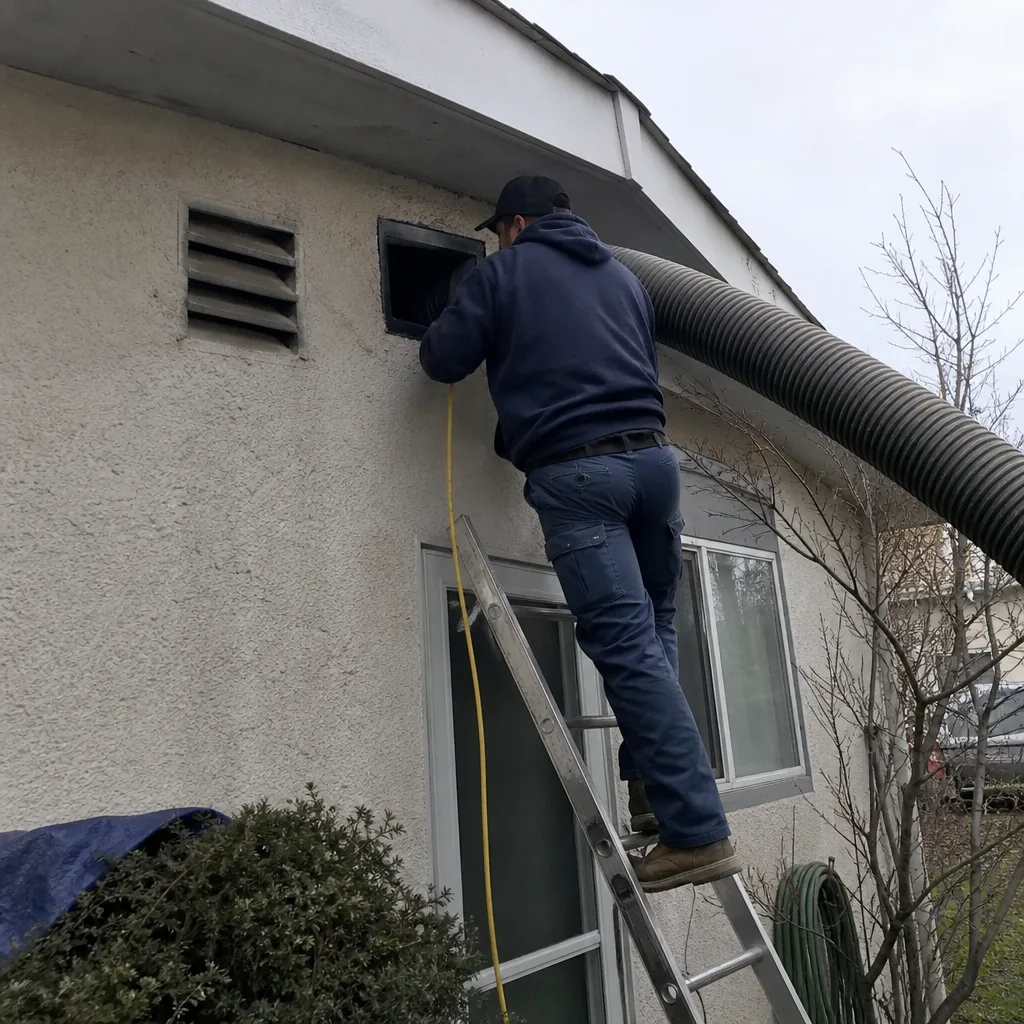 Before
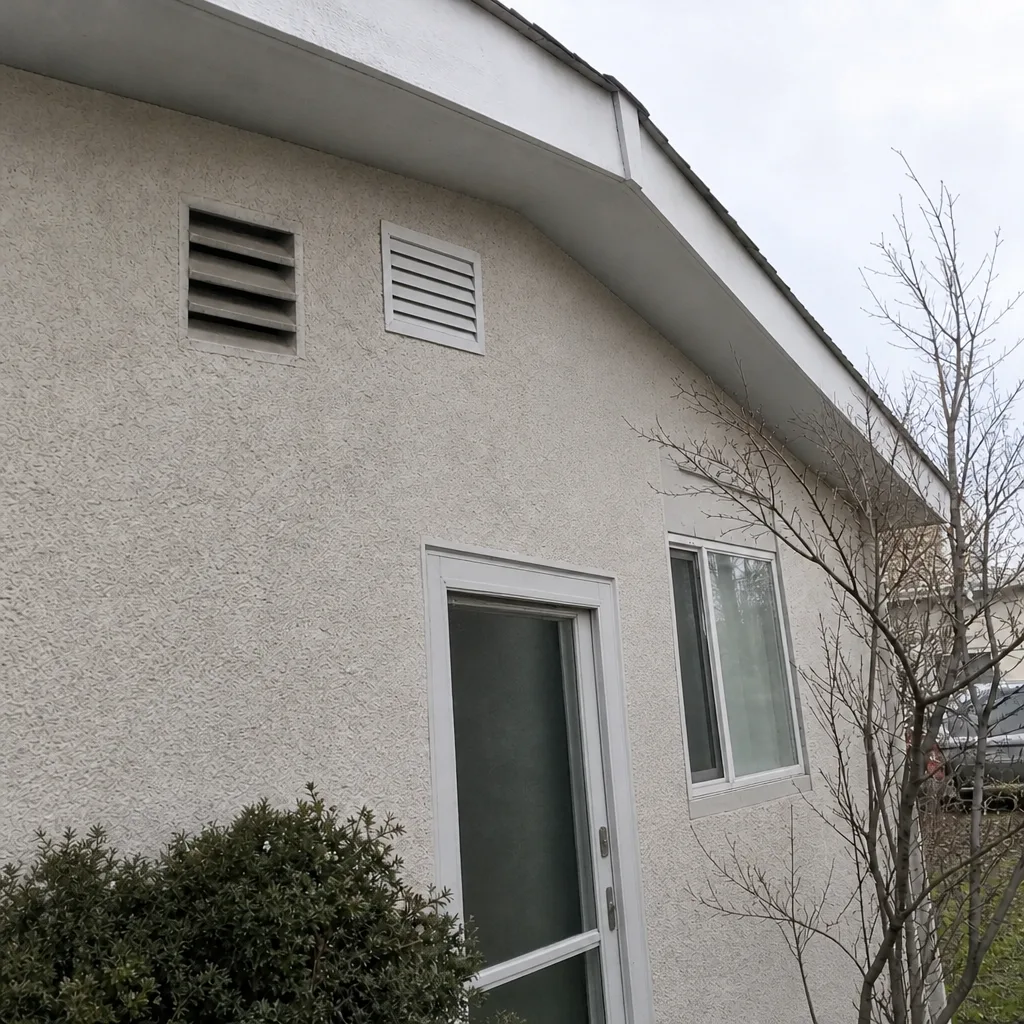 After
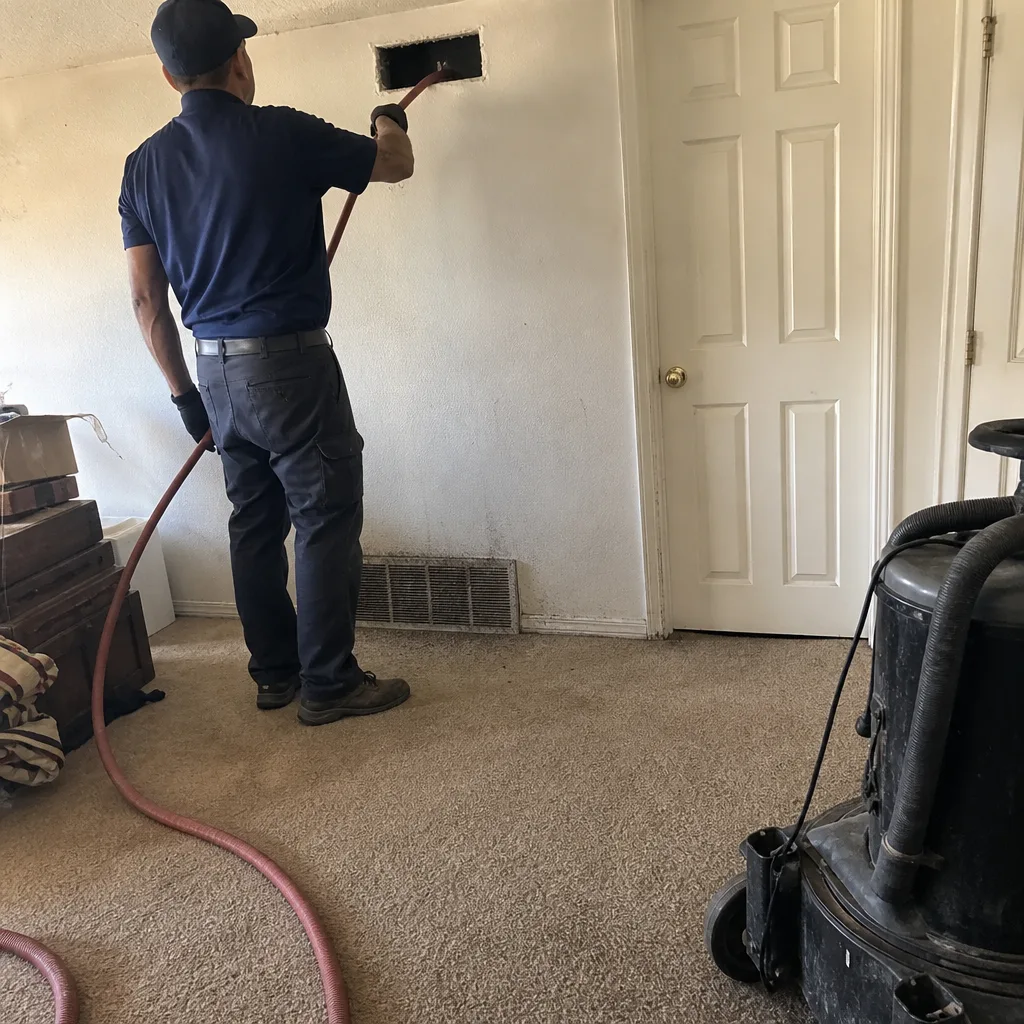 Before
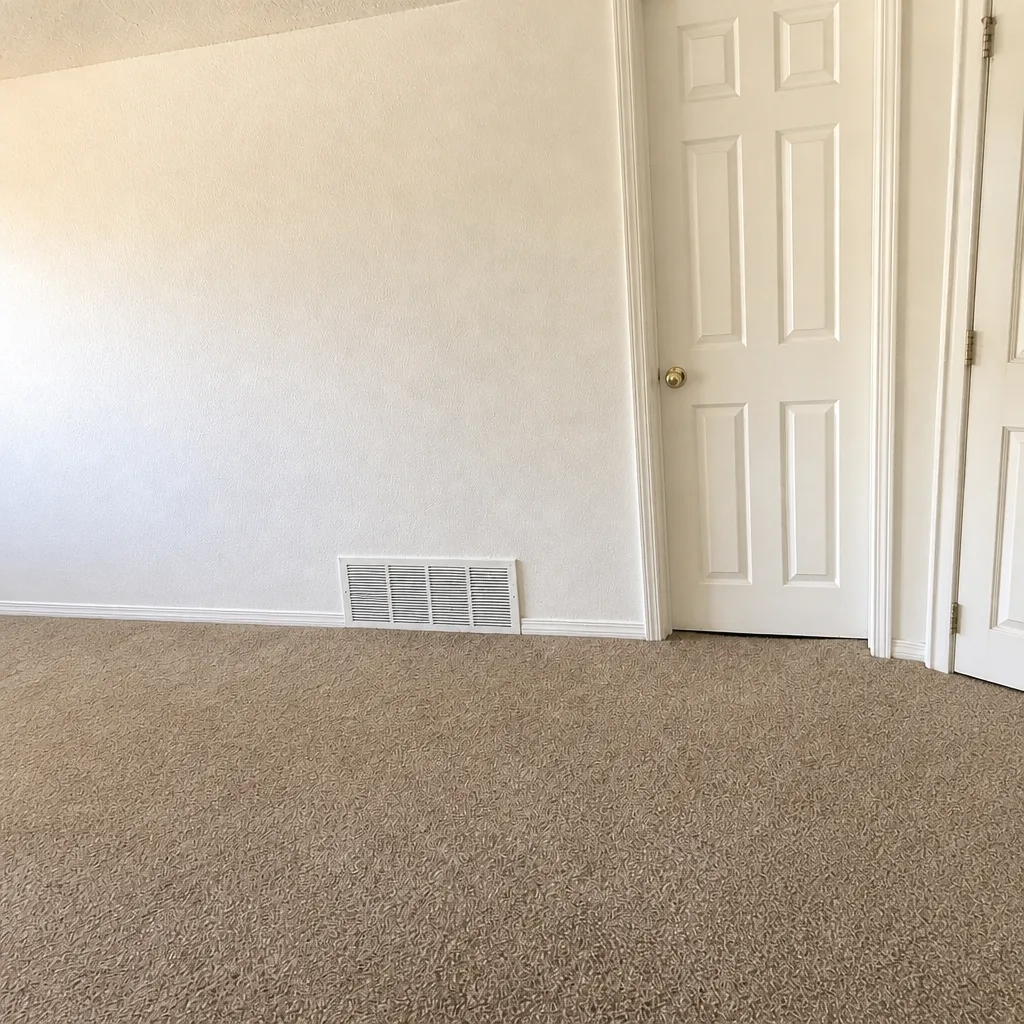 After
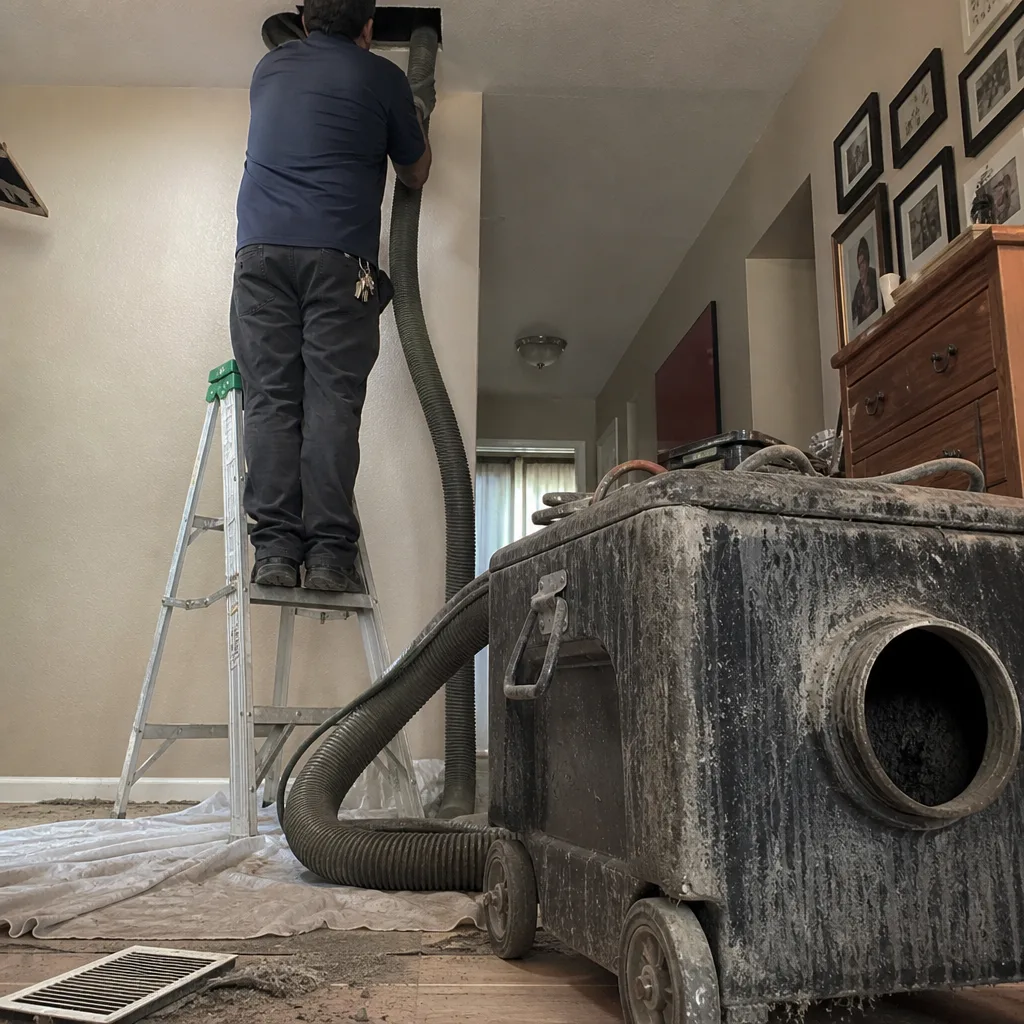 Before
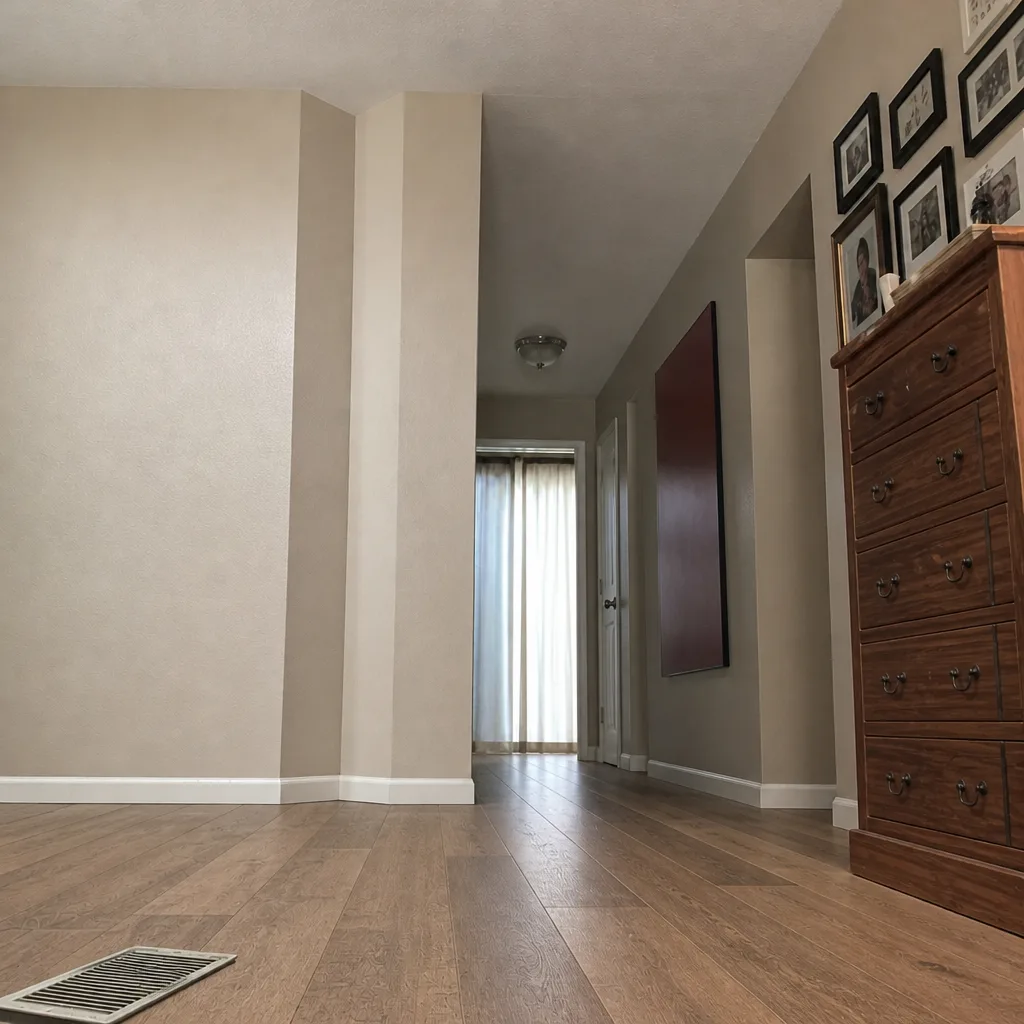 After