
Last updated November 4, 2026
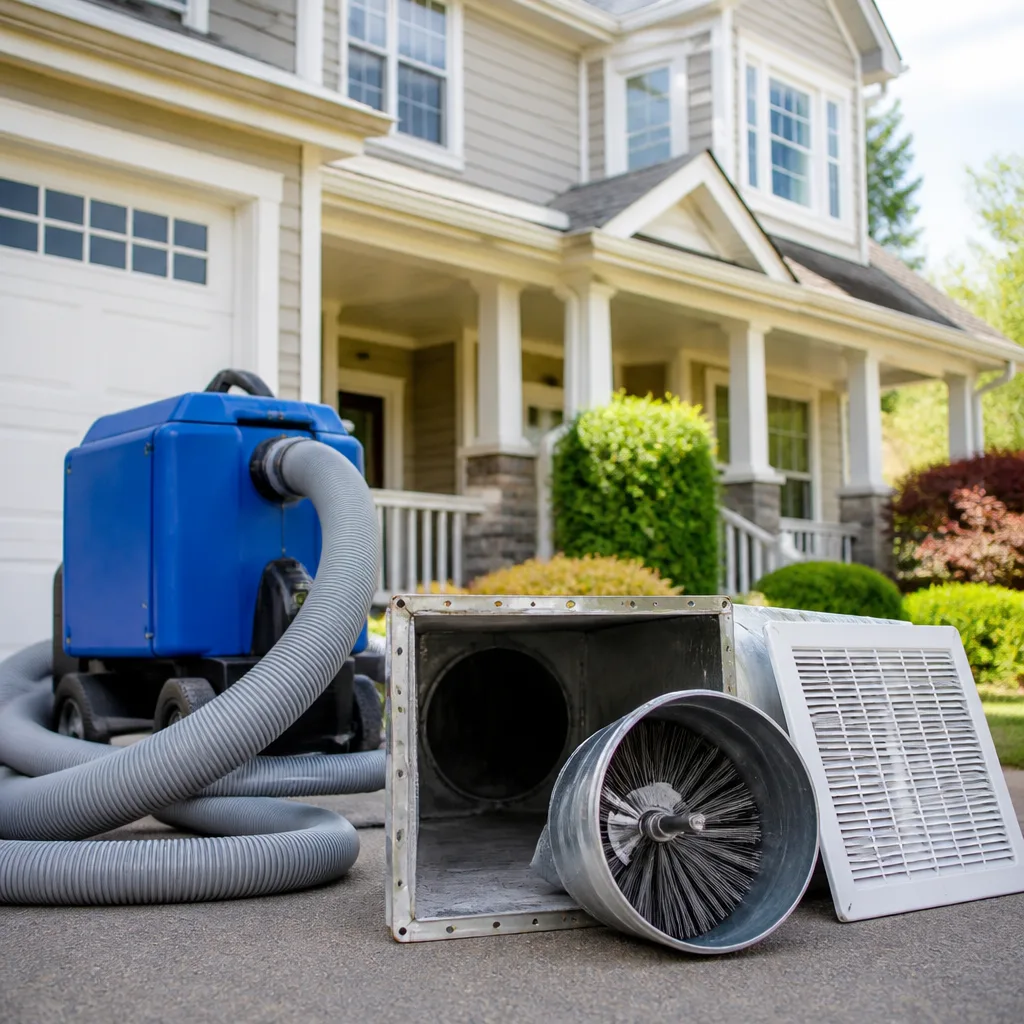 Whole-home duct cleaning
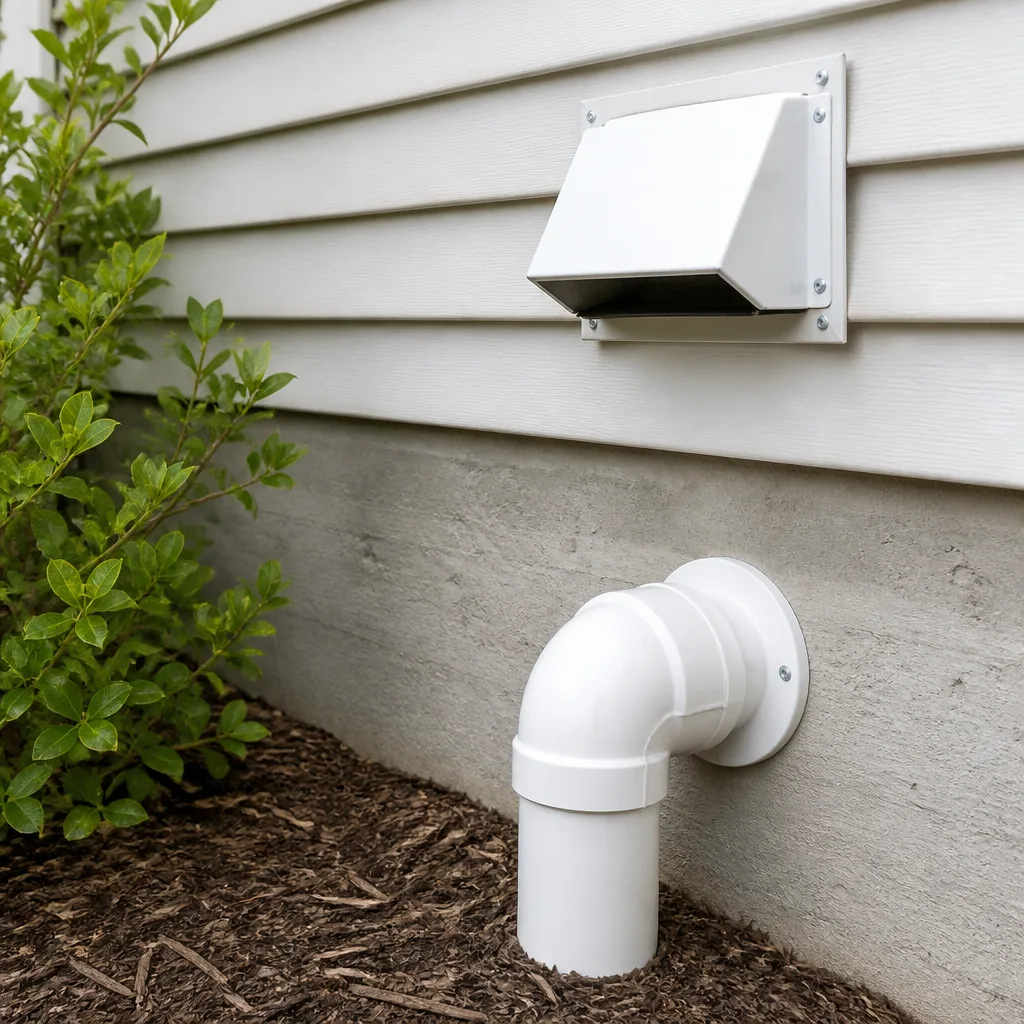 Dryer vent cleaning
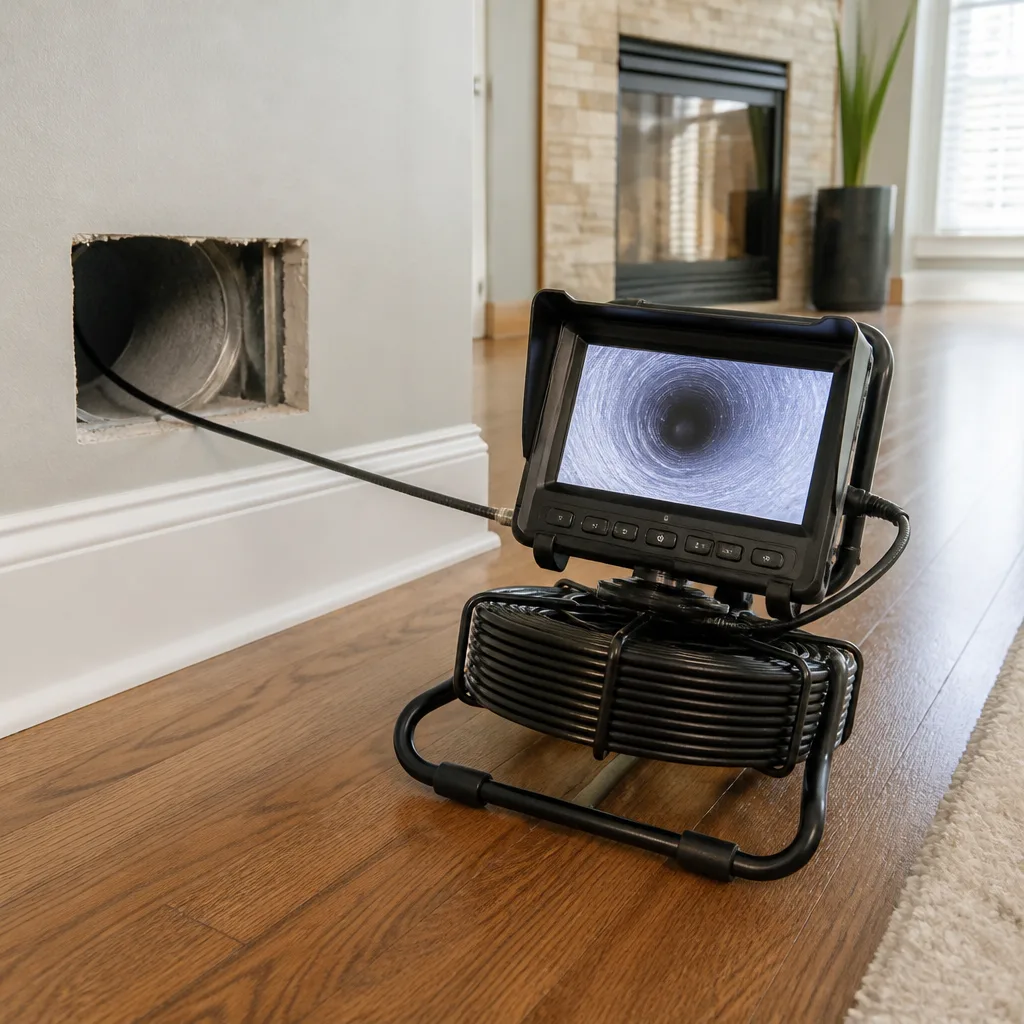 Camera inspection
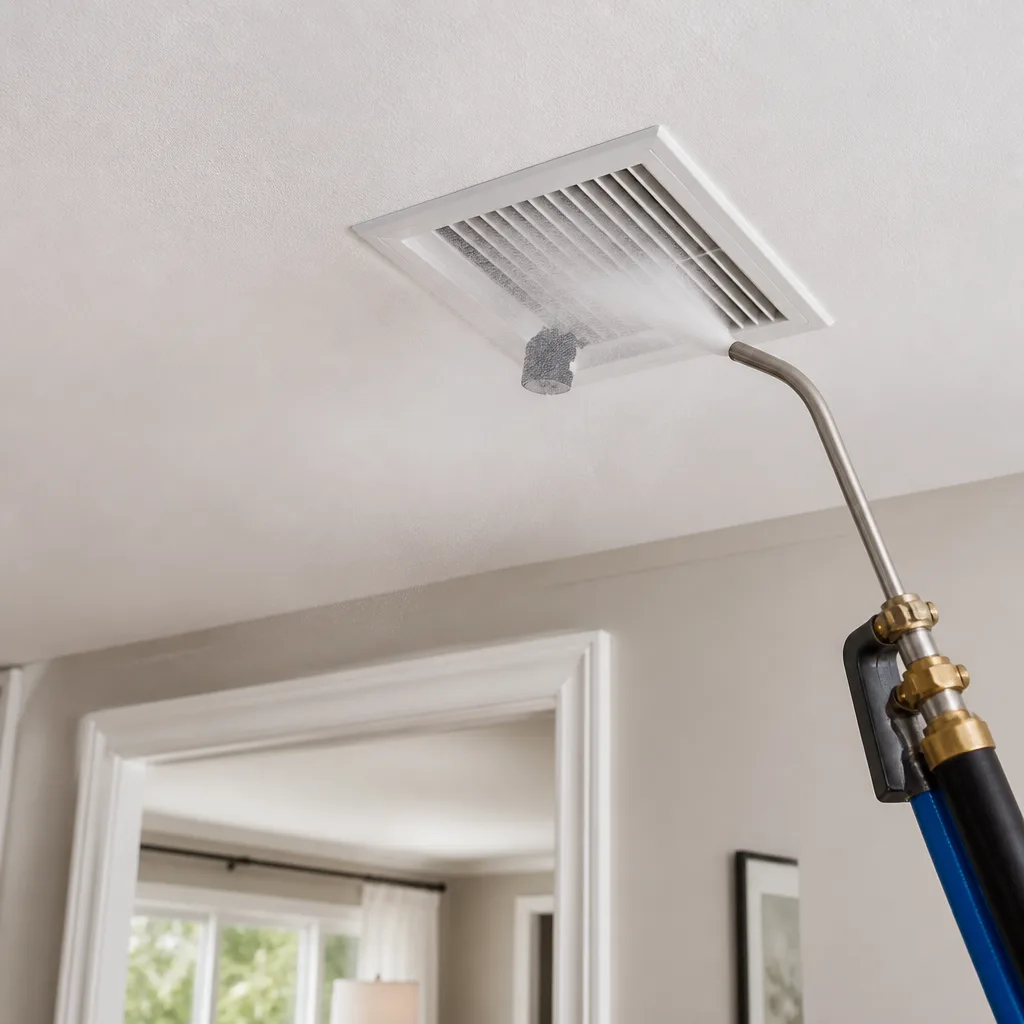 Sanitizing & deodorizing
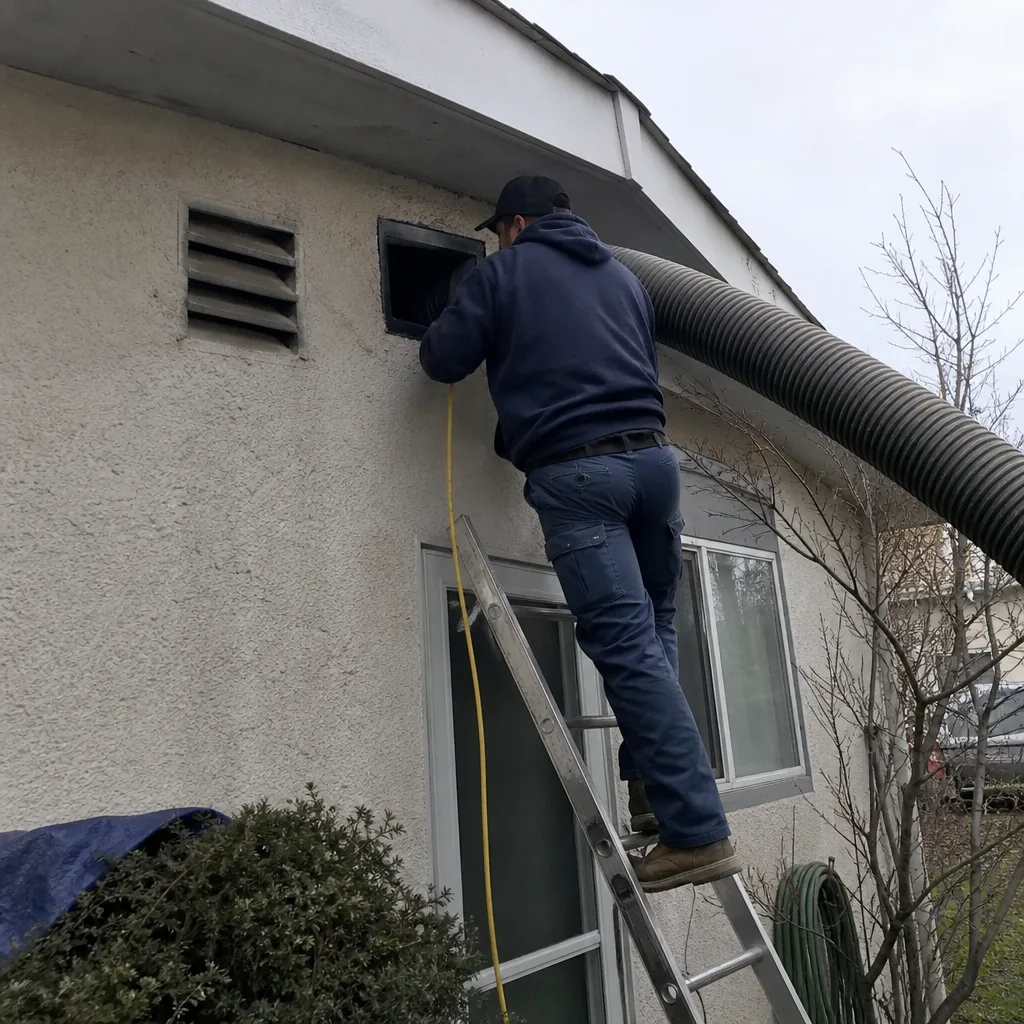
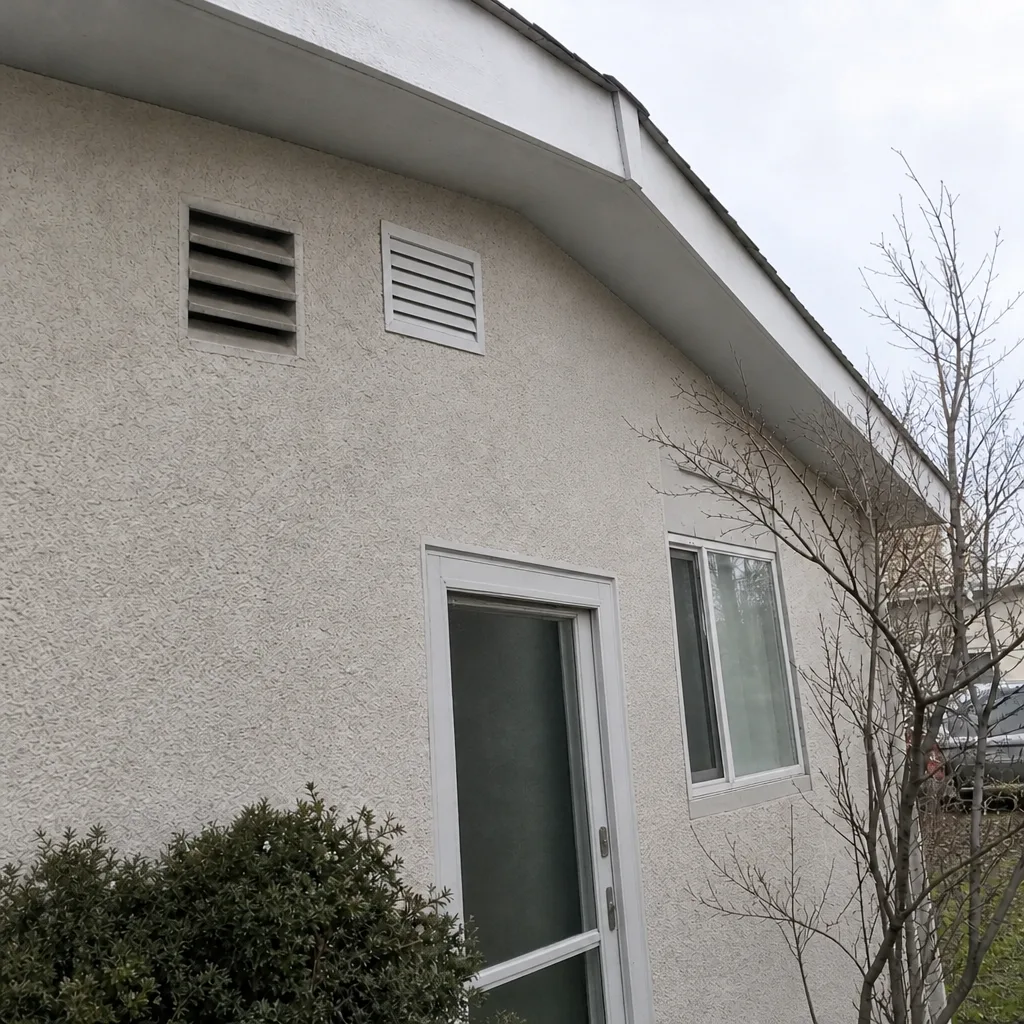
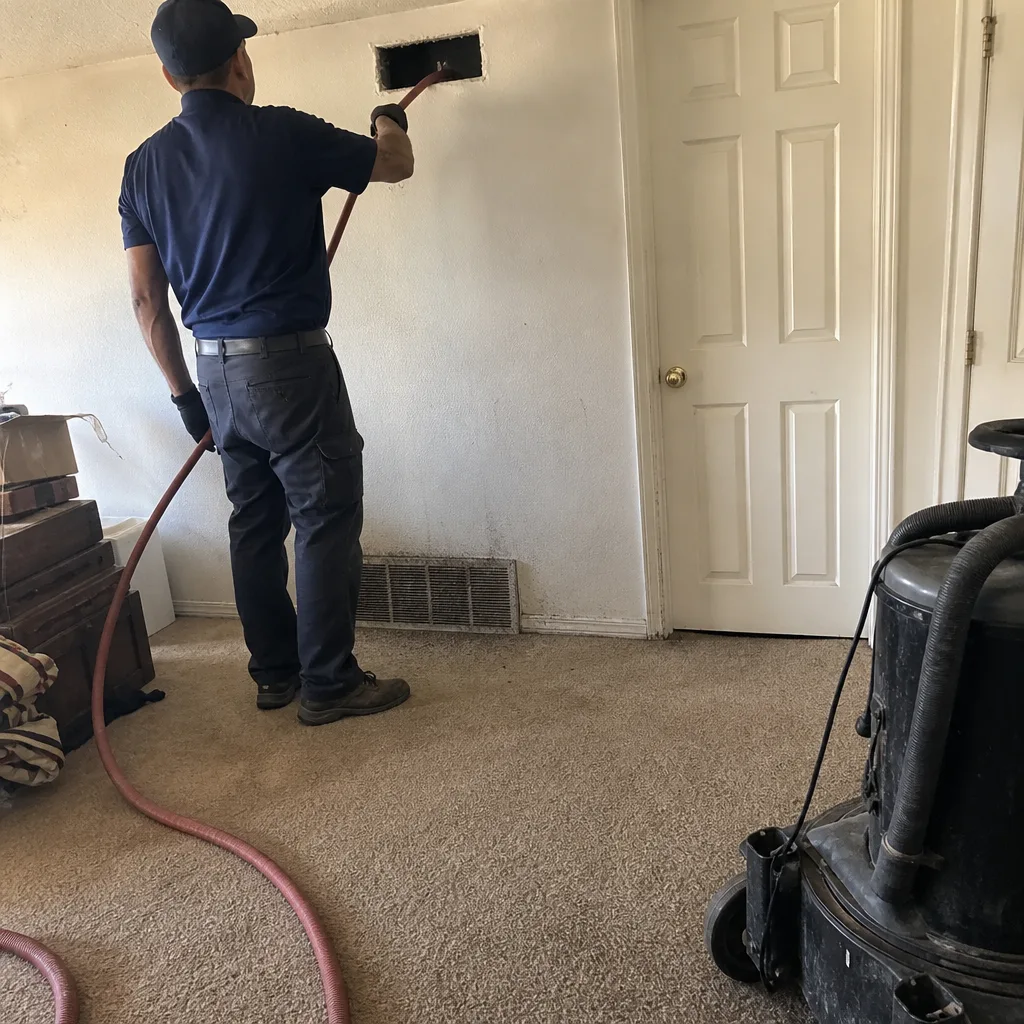
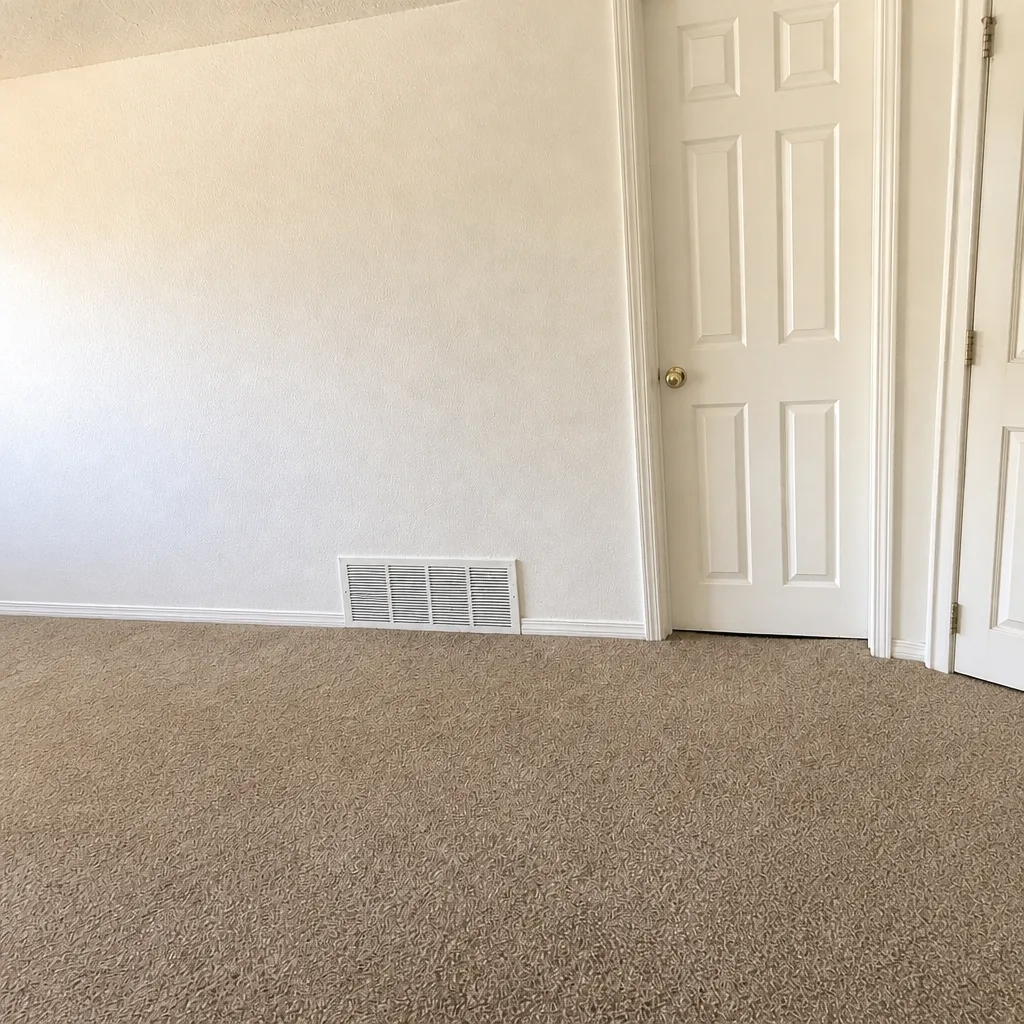
Whole-system duct and dryer vent check with before-and-after photos - you see exactly what came out of your vents
That "$99 whole-house special" is a bait ad - the real number appears once they are in your hallway, or the "clean" is a shop-vac at the register. We photograph the inside of your ducts before and after instead.
Air Duct Cleaning Cost Breakdown: The Gilroy Homeowner’s Reference for 2026
Most Gilroy homeowners don’t actually know what a fair duct cleaning costs, and the industry counts on that confusion. A $99 coupon quote in 2026 covers the fuel to reach your house and not much else. The equipment required to do the job correctly costs more per hour to operate than that quote covers for the entire visit. This guide walks through exactly what you’re paying for at each price tier, so you can tell the difference between a legitimate estimate and a bait-and-switch before anyone parks a van in your driveway in Gilroy.
Quick Answer
Air duct cleaning in Gilroy typically costs between $350 and $800 for a full single-family home in 2026, depending on home size, number of systems, and how much debris is actually in the ductwork. Anything under $250 is almost certainly a partial cleaning or a loss-leader quote designed to get a technician in the door to sell add-ons. The price you pay reflects equipment cost, labor time, and scope, not company margin, and the cheapest quote usually skips a crucial step in the process.
Styles & brands we work with
- Whole-home duct cleaning
- Dryer vent cleaning
- Camera inspection
- Sanitizing & deodorizing
Table of Contents
- The Real Cost Floor: What Professional Equipment Actually Costs to Operate
- Per-Duct vs. Flat-Rate vs. Square Footage: How Gilroy Quotes Are Built
- How Gilroy Home Characteristics Affect Your Price
- Legitimate Add-Ons vs. Upsell Tactics: What to Accept and What to Decline
- What a Written Quote Should Itemize in Gilroy
- Common Mistakes to Avoid
- When to Call a Professional
- Frequently Asked Questions
The Real Cost Floor: What Professional Equipment Actually Costs to Operate
Here’s the part most pricing guides skip. A legitimate duct cleaning company in Gilroy shows up with equipment that costs real money to buy and real money to run. A Rotobrush rotary brush system, the industry benchmark for contact-based cleaning, runs $15,000 to $25,000 to purchase. A Nikro HEPA-rated negative air machine adds another $5,000 to $10,000. Add a camera scope for inspection, a full set of brush heads, air whips, and compressor lines, and a single service van carries $30,000 to $40,000 in equipment before the technician clocks in.
That equipment also wears. Brush heads are consumable. HEPA filters on a Nikro negative air machine need replacing at intervals set by hours of use, not by job count. Fuel, insurance, continuing training, and the labor of a technician who actually knows how to run this gear without damaging your ducts all factor into the hourly rate a company must charge to stay in business. In our experience, a legitimate operator in Gilroy needs to clear roughly $150 to $200 per labor hour just to cover equipment amortization, consumables, and trained labor. A two-tech crew on a three-hour job means the cost floor sits around $450 before any profit exists. That’s why a $99 quote is not a discount. It’s a different business model.
The $99 model works like this: the company sends one person with a shop-vac contraption and a spinning brush they bought at a supply house for under $500. They spend 45 minutes in your home, hit maybe the first five feet of each duct run, and then spend the remaining time pitching sanitizer treatments, mold-killing foggers, UV lights, and upgrade packages. By the time they leave, the invoice is $900, and the actual cleaning was superficial. You paid more for the upsell than a legitimate full-system cleaning with professional equipment would have cost from the start.
That’s why we run Rotobrush contact-cleaning, the brush physically scrubs the duct wall so debris doesn’t just get blown toward the next register. And our Nikro HEPA vacuum runs the entire time, so what we loosen doesn’t re-enter your living space. The equipment exists to do the job correctly the first time, not to create a second sales conversation.
Per-Duct vs. Flat-Rate vs. Square Footage: How Gilroy Quotes Are Built
There are three pricing models in the duct cleaning trade, and knowing which one a company uses tells you a lot about what kind of visit you’ll have. Here’s how each one works in practice, with the tradeoffs spelled out for a Gilroy homeowner.
Per-Duct Pricing
Some companies quote by the number of vents or duct runs. You might see $25 per supply register, $35 per return, $50 for the main trunk line. A typical Gilroy home with 8 to 12 supply vents and 2 to 3 returns lands between $350 and $550 on this model. The advantage is transparency, you know exactly what you’re paying for. The disadvantage is that it rewards companies for working fast. If the technician has eight ducts to clean and the price is fixed per duct, every minute spent doing a thorough job is a minute that lowers their effective hourly rate. Per-duct pricing is not inherently dishonest, but it does create an incentive to rush.
Flat-Rate Pricing
A flat-rate quote gives you one price for the entire system, regardless of how many vents or how long the job takes. This is the model we prefer and recommend. It removes the incentive to rush, because the company has already agreed to a total price and a full cleaning is the only way to finish the job. It also removes the surprise factor. If the technician finds heavy debris, a flat rate means the price doesn’t change mid-job. The downside is that a flat rate requires the company to be honest about what “the entire system” includes, which is why the written estimate and scope definition matter so much. A legitimate flat-rate quote for a single-family Gilroy home in 2026 should fall between $400 and $700 for a complete system cleaning with professional equipment.
Square Footage Pricing
Some national franchises price by home square footage, usually $0.25 to $0.40 per square foot. A 1,800-square-foot Gilroy home would land at $450 to $720 on that scale. The problem with square footage as a pricing variable is that it’s a proxy for duct length, not a direct measurement. Two 1,800-square-foot homes can have completely different duct footprints depending on whether the system serves one story or two, whether the ducts run through a crawlspace or an attic, and how many returns the original builder installed. Square footage pricing is fine as a starting estimate, but a final written quote should be based on an actual look at your system, not a formula.
Here’s how to compare quotes across models. Take the total price from any quote and divide by the number of supply and return vents the company counts in its scope. If one quote comes in at $28 per opening and another at $42 per opening, the difference is either equipment quality, scope, or the company’s need to make up margin on add-ons. A per-opening price below $25 almost always means a loss-leader model with aggressive upsells waiting. A per-opening price above $50 means either very heavy contamination or an inflated quote. The sweet spot for legitimate work in Gilroy in 2026 is $30 to $45 per opening, all-in, with professional equipment and documented completion.
How Gilroy Home Characteristics Affect Your Price
Not every Gilroy home costs the same to clean. The construction style, duct material, and system layout all change how long the job takes and what equipment is required. Here’s what we look at when we estimate a job in Gilroy.
Single-story vs. two-story homes. A single-story ranch on a slab in central Gilroy usually has shorter duct runs and faster access to the trunk line. A two-story home in the newer developments east of Highway 101 often has longer vertical runs, more elbows and transitions, and a longer cleaning time because the technician has to work the brush through more complex geometry. Expect a two-story system to take 30 to 60 minutes longer than a comparable single-story footprint.
Slab vs. crawlspace duct routing. Homes built on a concrete slab in Gilroy typically route supply ducts through the attic, which means the technician works from above and the job is straightforward. Homes with a crawlspace, common in older parts of town, often have ductwork under the floor. Crawlspace access is slower, the ducts are sometimes wrapped in insulation that must be worked around carefully, and the job simply takes longer. Crawlspace ductwork is also more likely to have damage from rodents or moisture, which brings us to the repair question.
Duct material type. Most Gilroy homes have either rigid galvanized steel ducts or flexible insulated ductwork. Flex duct, especially the older gray-jacketed type, is more delicate and requires a softer touch. A technician running a full-size Rotobrush head at full speed through aging flex duct can tear the inner liner if they don’t know what they’re doing. Rigid steel duct can take more aggressive contact cleaning. The material matters for both price and the skill level you should demand. Our approach is to inspect before we clean and repair what needs repairing, not every company does both. That’s a meaningful difference when the cleaning reveals a disconnected joint or a crushed flex run.
Number of returns. Return air ducts pull air from living spaces back to the air handler, and they’re often the dirtiest part of the system because they run at negative pressure and pull in dust, hair, and debris from the conditioned space. Some Gilroy homes have a single central return; others have returns in every bedroom. More returns mean more cleaning time and usually a higher quote. They also mean better air circulation when the system runs, so there’s a tradeoff between the original design and the cost to clean it.
Evaporator coil access. The coil sits above or beside the furnace and is the point where air gets cold in summer and where condensation creates a wet, sticky surface that captures dust. A coil that hasn’t been cleaned in years can look like a felt blanket. Cleaning it requires either access panels, a pump sprayer with the right coil-cleaning chemistry, or removing the coil entirely in worst cases. This is legitimate labor and legitimate chemical cost, and it’s where a $99 quote falls apart completely, because cleaning a coil properly takes 45 minutes to an hour on its own. A legitimate quote itemizes coil cleaning separately, typically $150 to $300, because it’s a distinct procedure from duct brushing.
Legitimate Add-Ons vs. Upsell Tactics: What to Accept and What to Decline
This is where Gilroy homeowners lose the most money. A technician arrives for a $199 “whole house special,” finds something alarming, and within 20 minutes a written add-on menu appears. Some of those add-ons are legitimate and worth paying for. Others are nothing but margin.
Legitimate Add-Ons Worth Considering
- Dryer vent cleaning. A clogged dryer vent is a leading household fire-risk factor, not just an air-quality upsell. In Gilroy, where many homes route dryer vents through the wall to the exterior or up through the roof, lint accumulation builds quickly. Dryer vent cleaning typically adds $75 to $150 and is genuinely worth doing. We clear it, measure airflow, and confirm the vent exhausts properly before we leave. If your dryer takes two cycles to finish a load, the vent is the problem and this add-on pays for itself in energy savings and fire-risk reduction.
- Air handler and blower cleaning. The blower wheel moves all the air in the system, and when it’s caked with dust, the motor works harder, airflow drops, and the whole system underperforms. Cleaning the blower assembly and air handler cabinet adds $100 to $200. It’s a legitimate part of full-system cleaning, though many cheap operators skip it entirely because it requires opening the unit rather than just vacuuming the ducts.
- Sanitizer or Guardsman treatment. A Guardsman antimicrobial fog or surface treatment applied after mechanical cleaning adds $100 to $200 and provides a legitimate finish-and-protect layer. This is not a substitute for cleaning; it’s something done after the physical debris is gone. We use Guardsman-protection products in our process because cleaning the system and then sealing or protecting surfaces is better than just blasting debris loose and calling it done. If a company offers sanitizer but seems vague about what it actually does, keep asking questions.
- Air duct repair discovered during cleaning. If we find a disconnected joint, a crushed flex run, or a torn boot at the register, fixing it on the spot is the difference between a completed job and a job that cleans around the problem. Air duct cleaning and air duct repair are two different services, and a company that does both saves you a second visit and a second diagnostic. Repair pricing depends on the extent of the damage, and a written quote should itemize it separately from cleaning.
Upsell Tactics to Question
- Mold treatment without lab evidence. If a technician opens a vent, declares “you have mold,” and immediately offers a $500 fogging treatment, that’s a red flag. Mold testing requires lab analysis, not a visual glance. Ask for the lab report. If they can’t provide one, decline the treatment. Legitimate mold remediation is a separate specialty, and a duct cleaning company should tell you to consult a specialist rather than sell you a fogger.
- UV light installation pitched mid-job. UV lights can be a legitimate IAQ product when actually needed, but a duct cleaning visit is about removing debris, not retrofitting your system with new equipment. If a technician suddenly becomes a UV salesperson halfway through the job, the cleaning was underpriced and they’re working to recover margin. If you have Honeywell or Aprilaire IAQ components already installed, we know how to work around them without voiding your setup, and we’ll tell you honestly whether a UV light makes sense for your system or not.
- Bait-and-switch furnace “inspection” that finds a cracked heat exchanger. This one is less common but still shows up in the industry. A technician does a free inspection, disappears into the garage, and comes back with a photo of a “cracked heat exchanger” that requires a $3,000 replacement. Multiple HVAC contractors in the area have reported responding to these calls and finding no crack. If you get this diagnosis, ask to see it yourself on camera and get a second opinion before writing a check.
- Forced “whole-home” sales language. If the quote conversation feels like a timeshare presentation, you’re in an upsell model. A legitimate company gives you a scope and a price and lets you decide. A loss-leader company needs to sell you something bigger before they leave. The question “Is this price the same if you find heavy debris or will it change?” is the fastest way to tell which one you’re dealing with.
What a Written Quote Should Itemize in Gilroy
A written estimate in Gilroy should look like a scope of work, not a single line item with a dollar figure. Here’s what a legitimate quote contains and why each item matters.
- System count and type. How many systems does the home have? Most Gilroy homes have one, but larger homes or homes with an ADU may have two. Each system is priced separately because each has its own air handler, coil, and duct network.
- Number of supply and return vents included. The quote should state how many openings the price covers. If the technician arrives and finds more vents than the quote listed, the price should change based on the documented scope, not an on-the-spot surprise.
- Access points included. Does the price include access through the return plenum only, or does it include cutting access panels into the trunk line if needed? Some systems require additional access to clean properly, and the quote should state how that’s handled.
- Coil cleaning scope. Is the evaporator coil included in the base price or is it a separate line item? Legitimate quotes separate it because it’s a distinct task requiring different equipment and chemistry.
- Dryer vent scope. If dryer vent cleaning is included, it should be listed as its own line item with the vent’s route described. If it’s not included, the quote should say so plainly.
- Repair contingency language. How does the company handle damage found during cleaning? A quote that silently assumes no repairs are needed is incomplete. A quote that says “repair work priced separately with written approval before proceeding” is honest about it.
- The flat-price guarantee question answered in writing. Ask this exact question: “Is this price the same if you find heavy debris or will it change?” Get the answer in writing. Any company that hedges on this is likely to find “heavy debris” in your system and adjust the price upward. We quote a flat price per system agreed before work starts, and we honor it.
One more thing. The quote should let you call and ask questions without pressure. Duct Cleaning Gilroy has served this area since 2011, and we’ve seen every variation of ductwork and pricing model this region produces. A good estimate conversation should feel like a technical discussion, not a sales call.
Common Mistakes to Avoid
- Choosing the lowest quote without asking what’s included. The $99 quote is the industry’s favorite entry point, and it works because homeowners assume duct cleaning is duct cleaning. It isn’t. The equipment gap between a Rotobrush system and a portable shop-vac rig is enormous, and the results reflect it.
- Believing “No Discounts This Month” language. Companies running perpetual “one-day specials” or “neighborhood pricing” are using urgency to short-circuit comparison shopping. A legitimate quote is the same price whether you call on a Monday or a Friday.
- Skipping the before-and-after documentation. A company that can’t show you what the ducts looked like before and after hasn’t actually proven anything. We document our work so you can see the result with your own eyes, not just trust a verbal summary.
- Letting a technician sell you a mold fogger. As covered above, mold requires lab testing to confirm. A fogging treatment without a lab report is the fastest $500 you’ll ever spend on unproven chemistry.
- Not asking about the vacuum method. A legitimate cleaning uses a negative air machine that creates suction at the equipment end and runs the entire time. A company that only blows air through the ducts without a HEPA vacuum is just relocating dust, not removing it. Ask what vacuum they use. If the answer is “a big vacuum” without a brand name, keep looking.
- Ignoring the dryer vent because the duct quote was “cheap enough.” Dryer vent cleaning should be on your radar regardless of whether you clean the HVAC ducts. The lint accumulation in a dryer vent is a fire hazard, and the service is inexpensive relative to the risk.
- Assuming every company can repair what they find. Cleaning is one skill set; repair is another. If the technician finds a disconnected duct or a crushed flex run, you want a company that can fix it same-day rather than tell you to call someone else. We inspect before we clean and repair what needs repairing, so a single visit handles the full scope.
When to Call a Professional
You should bring in a professional when you see dust accumulating on registers within days of cleaning, when a room never seems to get comfortable, or when your allergies flare up only at home. Post-renovation dust in a Gilroy home is another strong signal, drywall dust settles into every crevice and tends to stay there unless physically removed. A musty smell when the system first kicks on, a dryer that takes two cycles to finish a load, or a heating bill that climbs for no obvious reason all point to the same thing: restricted airflow. If any of that sounds familiar, Duct Cleaning Gilroy offers free estimates in Gilroy. Call (833) 589-9833. We answer 24/7. Fast dispatch from 7am to 7pm, Sunday through Friday.
Frequently Asked Questions
Air duct cleaning in Gilroy typically costs $350 to $800 for a full single-family home in 2026, depending on home size, number of systems, and duct configuration. The price reflects equipment cost, labor time, and scope rather than company margin. Call (833) 589-9833 for an exact quote. Estimates are free.
Cheap quotes come from companies using portable shop-vac equipment, sending one technician instead of two, skipping the coil and blower, and relying on add-on sales to make the job profitable. Professional-grade equipment like Rotobrush and Nikro systems costs more per hour to operate, and that cost shows up in the quote. You’re paying for a different level of work.
Ask for before-and-after photos of the ducts, the coil, and the blower before you schedule. A company that can’t document its own work hasn’t given you any way to verify the job. We photograph the system before and after so you can see exactly what was removed and what got cleaned.
Most homes benefit from duct cleaning every 3 to 5 years, though homes with pets, recent renovations, or family members with allergies may need it more often. The type and amount of debris in your ducts matters more than the calendar, and an inspection with a camera scope will tell you whether cleaning is overdue.
A $99 quote is a loss-leader designed to get a technician in your home. The service usually covers a partial cleaning or a superficial pass, and the technician is compensated to sell sanitizer, UV lights, or “found damage” repairs. A legitimate full-system cleaning in Gilroy costs more because the work itself costs more to perform.
Ask these four questions: What equipment do you use, and is it HEPA-rated? Is the price flat-rate or per-duct? Is the price the same if you find heavy debris? Will you provide before-and-after photos? The answers tell you whether you’re dealing with a technically equipped operator or a sales organization. Call (833) 589-9833 and ask us directly.
The Bottom Line
Duct cleaning in Gilroy costs what it costs because the equipment and labor required to do it correctly have a real price floor. A $99 quote and a $600 quote are not the same service at different margins; they’re different services entirely. The professional approach uses contact-cleaning equipment like Rotobrush, HEPA vacuum collection like Nikro, camera-scope inspection, and trained labor that can move through your system without damaging it. That combination produces a quote in the $350 to $800 range for a complete job, and anything below that should be read as a strategic entry point for upsells rather than a bargain. Gilroy homeowners who understand the cost floor and ask the right questions get honest work at a fair price. Call (833) 589-9833 for a free estimate. We answer 24/7. Fast dispatch from 7am to 7pm, Sunday through Friday.
Written by the team at Duct Cleaning Gilroy, serving Gilroy since 2011.
See the difference
 Before
 After
 Before
 After
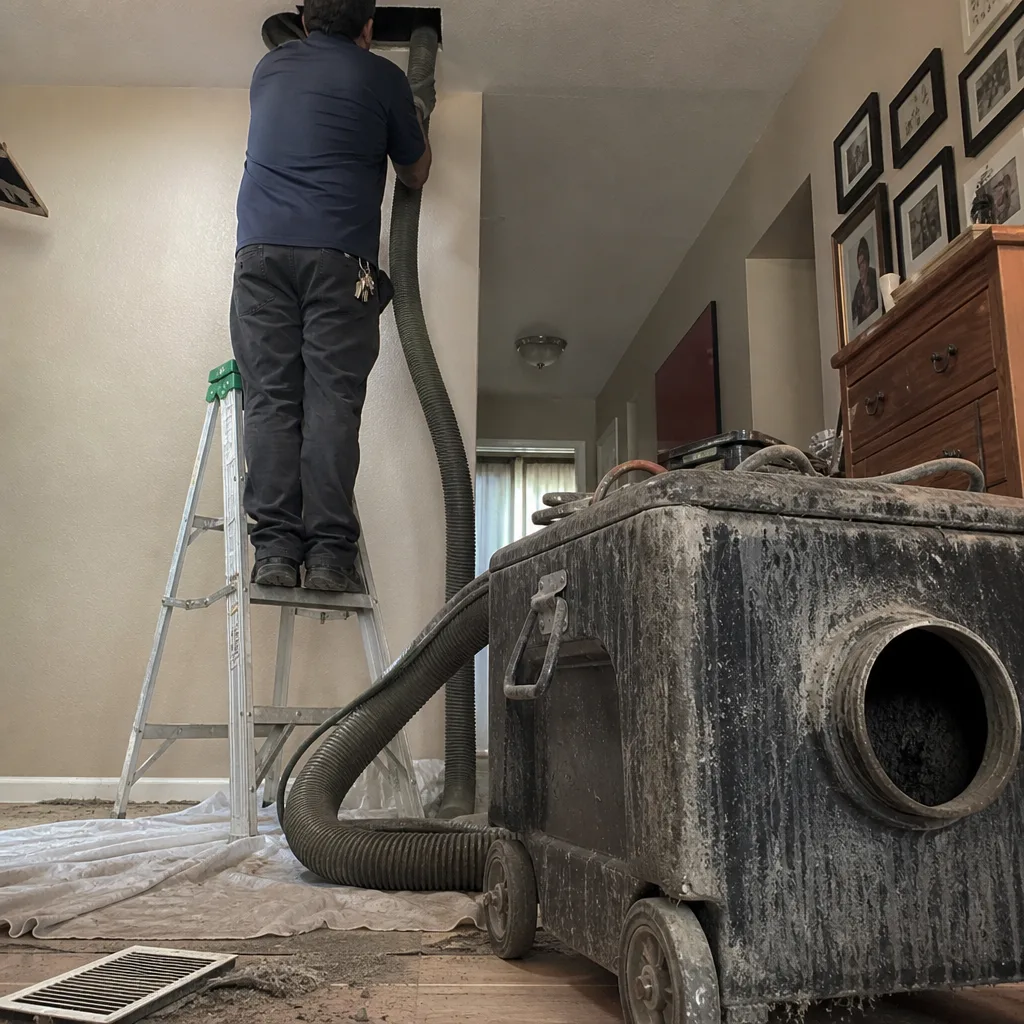 Before
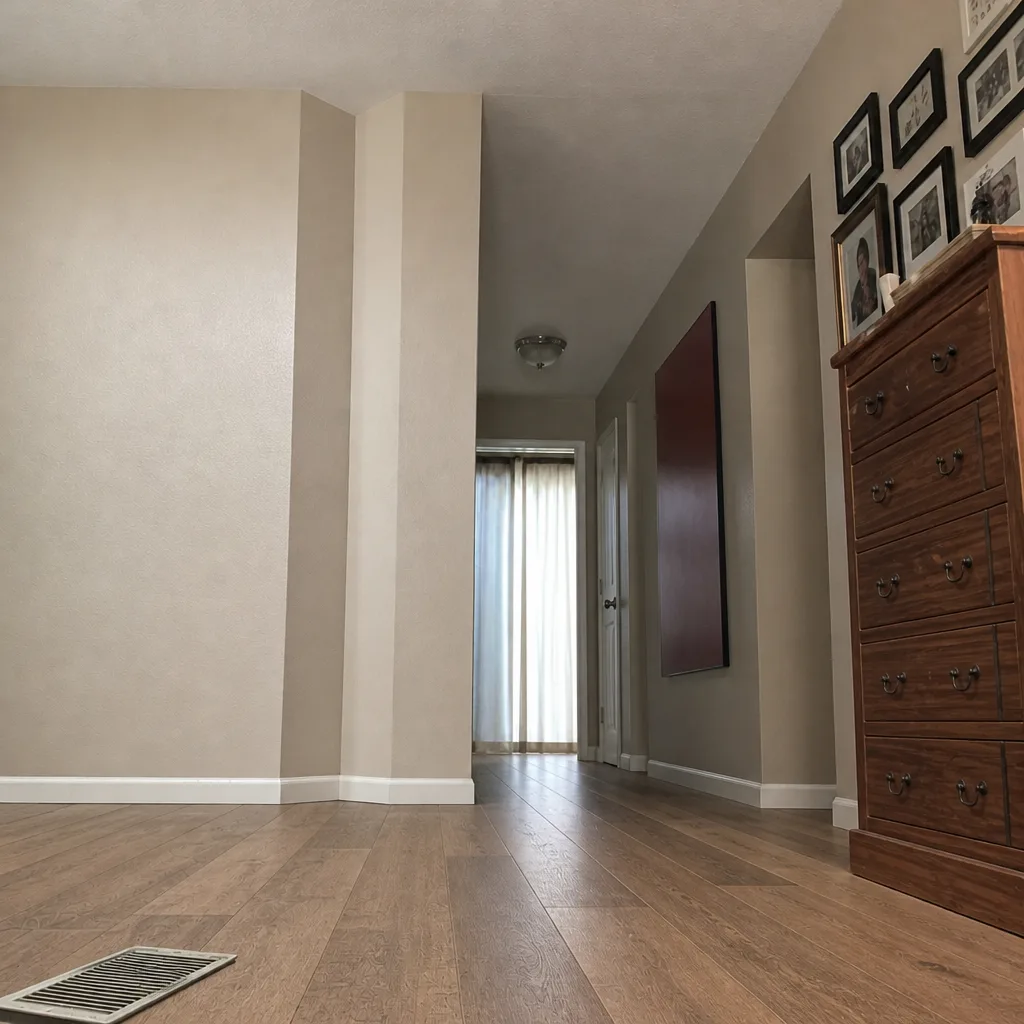 After