
Last updated November 4, 2026
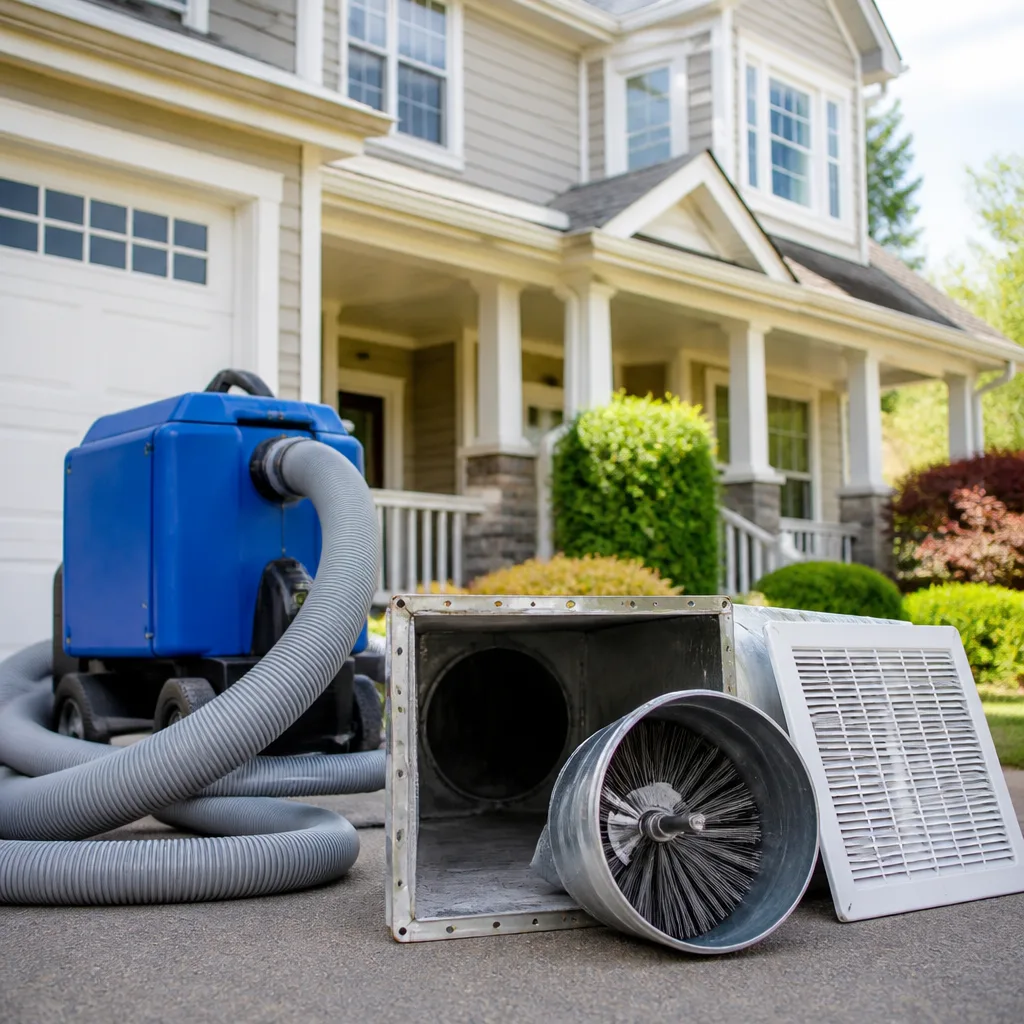 Whole-home duct cleaning
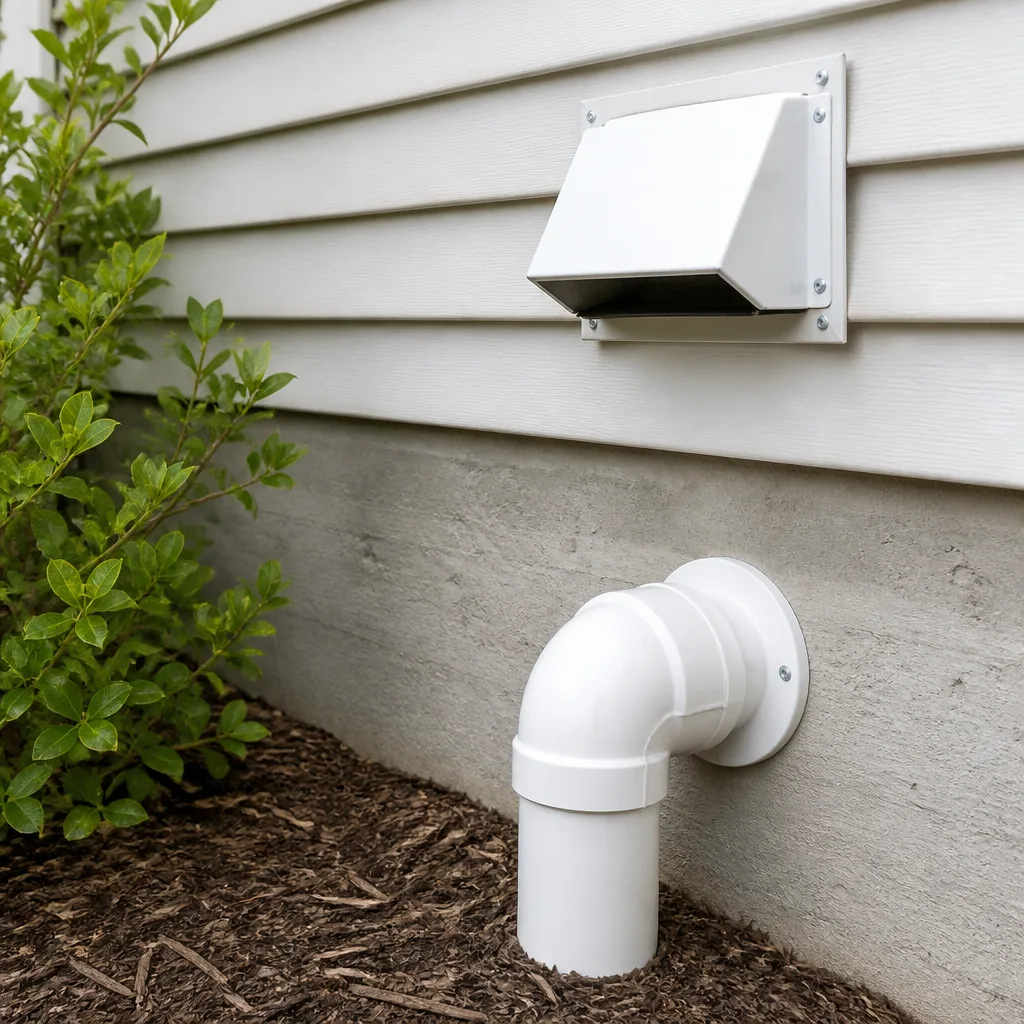 Dryer vent cleaning
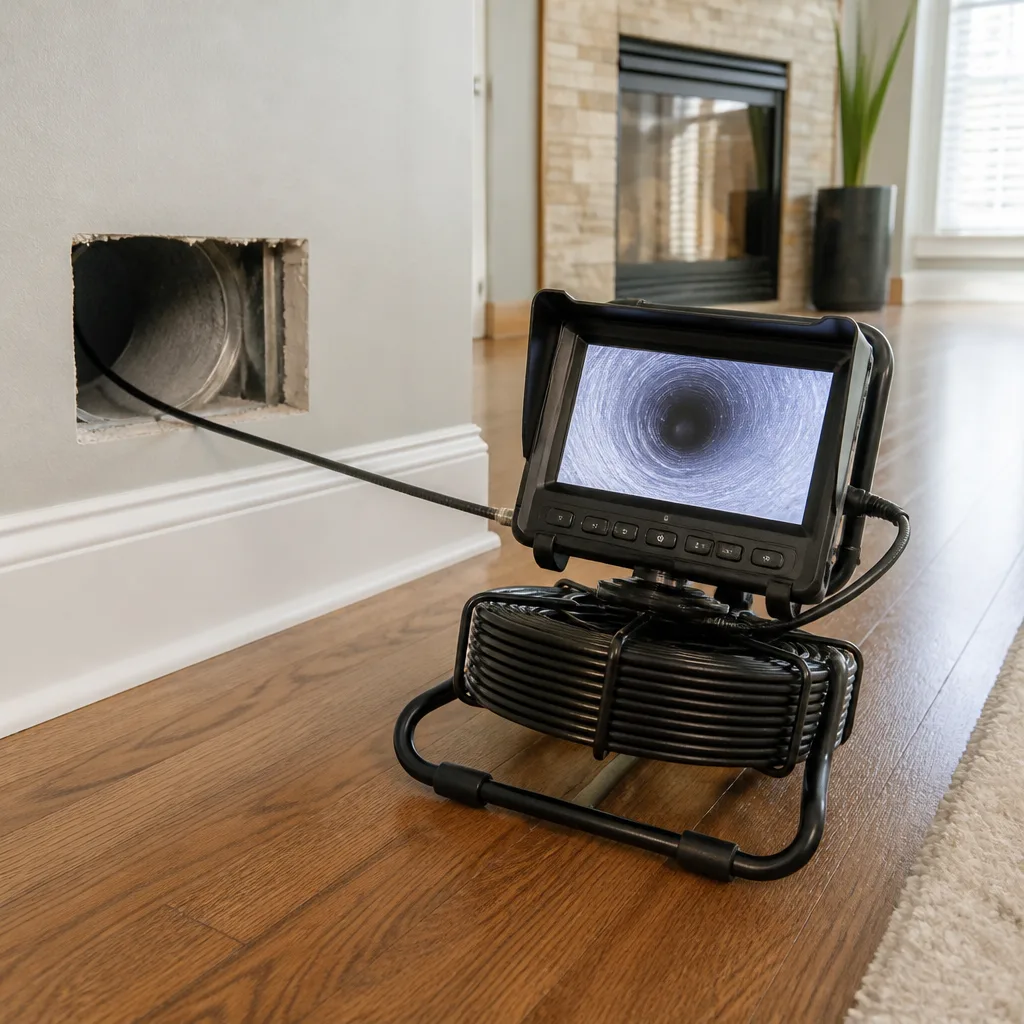 Camera inspection
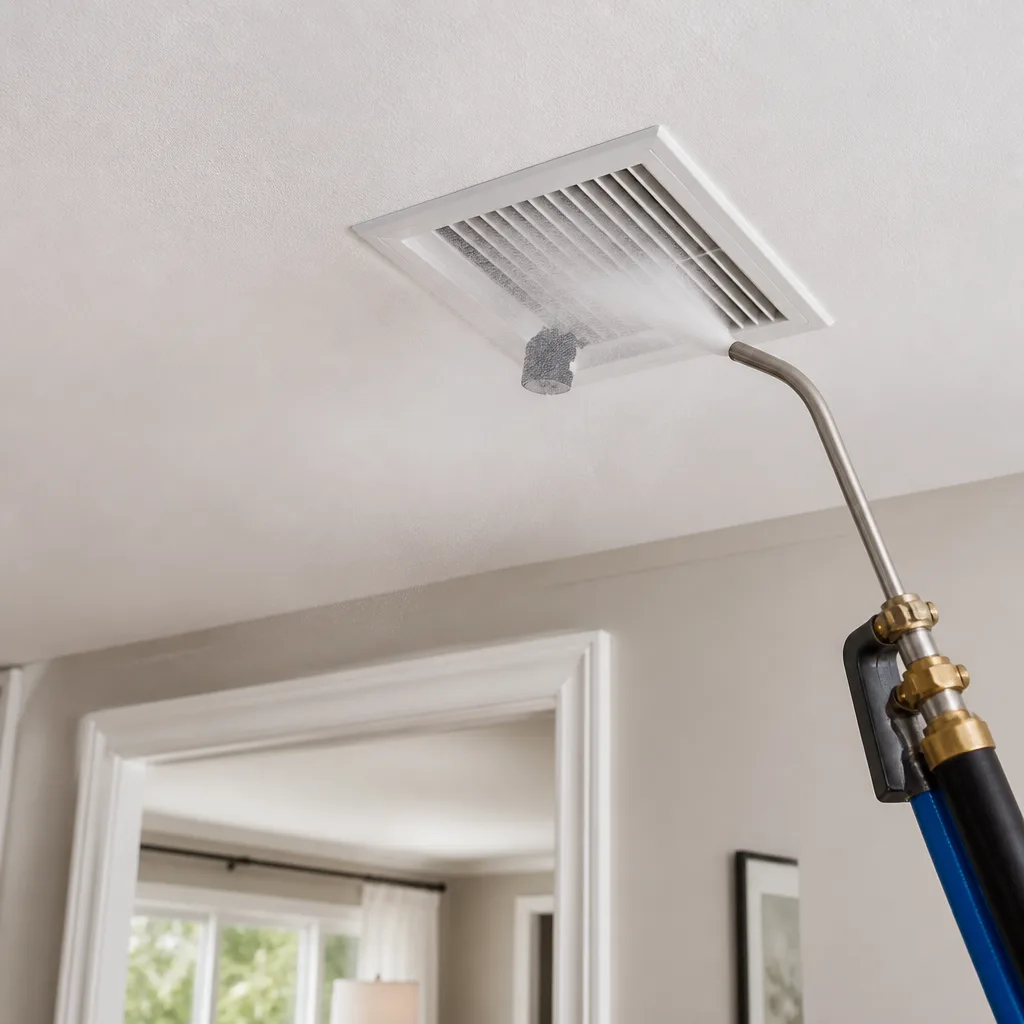 Sanitizing & deodorizing
Whole-system duct and dryer vent check with before-and-after photos - you see exactly what came out of your vents
That "$99 whole-house special" is a bait ad - the real number appears once they are in your hallway, or the "clean" is a shop-vac at the register. We photograph the inside of your ducts before and after instead.
How to Hire an Air Duct Cleaning Contractor in Gilroy: A Step-by-Step Guide
Most homeowners in Gilroy don’t discover their ductwork is a problem until they’re already living with the symptoms: dust settling back on furniture two days after cleaning, a musty smell that appears when the heat kicks on, or a dryer that now takes two full cycles to finish a load. At that point, the search begins and it usually starts the same way, with a Google search that returns a mix of $49 coupon specials and $500 to $900 professional quotes. Here’s what no one tells you upfront: California doesn’t require a specific state license to clean air ducts, so both of those bids can legally operate in Gilroy. The difference isn’t the price. It’s what’s on the truck and whether the technician can explain what they’re actually doing inside your system.
Quick Answer
Hiring an air duct cleaning contractor in Gilroy comes down to three things: verifying the equipment is professional-grade (a rotary brush system paired with a HEPA-filtered negative air machine, not a shop vac), requiring a camera inspection before and after the work, and getting a written quote that specifies scope, not just a price. Skip any company that quotes over the phone without knowing your square footage, duct count, or whether you have a single system or two. The strongest filter is technical: ask what’s on the truck and listen for brand names and airflow numbers, not promises.
Styles & brands we work with
- Whole-home duct cleaning
- Dryer vent cleaning
- Camera inspection
- Sanitizing & deodorizing
Table of Contents
- Understand the Licensing Gap in California
- Ask the Three Equipment Questions That Separate Pros from Pretenders
- What NADCA Membership Actually Tells You (and What It Doesn’t)
- Spot the Red Flags Common to Low-Bid Duct Cleaning Scams
- Compare Written Quotes Apples-to-Apples
- Demand Post-Job Accountability: The Deliverables Checklist
- Gilroy-Specific Factors That Affect Duct Cleaning
Understand the Licensing Gap in California
In most trades, licensing is the first filter. Plumbers, electricians, and HVAC contractors all need state certification to work in Gilroy. Air duct cleaning is different. The California Contractors State License Board does not issue a specific “duct cleaning license.” Companies that also install or repair HVAC systems may hold a C-20 warm-air heating license, but a company that only cleans ducts can legally operate without any state trade license at all. That creates a wide-open market where a technician with professional restoration-grade equipment and a teenager with a rented carpet shampooer can both call themselves duct cleaners and both show up in Gilroy.
What this means for you as a homeowner is that licensing cannot be your only vetting tool. You need to look at equipment, process, and documentation instead. It’s not that licensing is meaningless when it exists. It’s that its absence doesn’t automatically flag a bad company, because the state doesn’t require it for this work. Your real job is to determine whether the company invested in equipment that can actually remove debris from duct walls and capture it, or whether they’re just moving dust around and calling it cleaned.
In our experience working in Gilroy homes, we’ve seen ducts that were “cleaned” six months prior but still had a visible layer of construction dust and pet hair lining the return trunks. The homeowners had receipts. They just didn’t get what they paid for. The contractor had no camera, no brush system, and no negative air machine. They had a blower and a brush on a drill. That’s the licensing gap in action.
Ask the Three Equipment Questions That Separate Pros from Pretenders
You can learn more about a duct cleaning company in a five-minute phone call than in an afternoon of reading reviews. Most consumers ask about price first. Flip that. Ask about equipment first, and the price context will follow. Here are the three questions to ask before you book anyone in Gilroy.
Question 1: What brand of negative air machine do you use, and what’s the CFM rating?
A negative air machine is a large HEPA-filtered vacuum that creates suction through the duct system while the cleaning happens. It pulls the loosened debris out of the ducts and through a filter, instead of letting that debris drift into your living room. The brands that professional restoration and remediation contractors use include Nikro and Abatement Technologies. Abatement Technologies equipment is common on mold remediation and asbestos abatement jobs, which tells you the filtration standard it’s built to. CFM stands for cubic feet per minute, and it measures how much air the machine moves. For residential duct cleaning, a machine rated in the 2,000 to 4,000 CFM range is appropriate. A portable shop vac moves a few hundred CFM at best.
At Duct Cleaning Gilroy, our Nikro HEPA vacuum runs the entire time the cleaning is happening, so what the brush loosens doesn’t re-enter your living space. That’s the whole point. If a company gets vague when you ask about CFM or brand, or says something like “we use a truck-mounted system” without naming the manufacturer, that’s a flag. Truck-mounted is fine, but it still needs a HEPA stage and a documented CFM rating.
Question 2: What type of brush system do you use, rotary or manual?
Duct cleaning methods fall into two main camps. Contact cleaning uses a brush that physically scrubs the duct wall. Air-washing uses high-pressure air to blow debris toward a vacuum. Within contact cleaning, a rotary brush spins against the duct surfaces while moving through the run. A manual brush is a push-pull rod system with a brush head. Both can work well, but the rotary method is generally more consistent across long duct runs and harder-to-reach sections. The professional benchmark in rotary systems is Rotobrush. The Rotobrush head spins while the operator feeds it through the duct, scrubbing all four walls of a rectangular trunk and the full circumference of a round branch run.
We use Rotobrush contact-cleaning, meaning the brush physically scrubs the duct wall. Debris doesn’t just get blown toward the next register. If a company says they clean by “brushing and vacuuming” but can’t name the brush system or describe how it reaches the full duct circumference, you’re likely getting a manual brush that may not make full contact. Ask directly: “Does the brush touch all four walls of the trunk line?”
Question 3: Is a camera scope included before and after?
A camera scope is a small inspection camera that feeds into the duct system and shows you, in real time, what’s actually inside. This serves two purposes. Before the cleaning, it lets the technician see blockages, damaged sections, mold-like growth, or disconnected runs that a blind cleaning would miss. After the cleaning, it’s your proof that the work was done. Without a camera, you’re being asked to trust that dust you can’t see was removed from a space you can’t access.
Legitimate duct cleaning contractors include before-and-after camera footage as part of the job, not as an add-on upsell. If a company doesn’t own a camera scope, they can’t inspect before they clean, which means they might blast through a damaged duct section and make it worse. In Gilroy, where many homes have ducts run through crawl spaces and attic areas that shift over time with the region’s dry, compact soil, damaged sections are common enough that a pre-clean inspection matters.
What NADCA Membership Actually Tells You (and What It Doesn’t)
NADCA, the National Air Duct Cleaners Association, is the industry’s main trade organization. You’ll see the NADCA logo on some Gilroy contractor websites. Here’s what membership means and what it doesn’t, because the distinction gets blurred in marketing.
NADCA membership means the company has agreed to follow NADCA’s published standard for assessment, cleaning, and restoration of HVAC systems. That standard is actually useful and specific. It defines what “clean” means in measurable terms: after cleaning, the non-porous surfaces inside the duct system must be visibly free of debris, and the porous surfaces (like fiberglass duct board) must not have visible debris. NADCA also provides training and certification for technicians through its Air Systems Cleaning Specialist designation.
What NADCA membership does not mean is that the state or any government body has licensed or endorsed the company. NADCA is a private trade association. Anyone can join by paying dues and agreeing to follow the standard. There is no government oversight forcing a NADCA member to actually follow the standard on every job. It’s a training and standards body, not a licensing authority. Use NADCA membership as one filter among several: it signals the company cares enough about the trade to belong to an industry organization. But it does not replace the equipment questions above, and it does not replace a written scope of work.
In Gilroy specifically, you’ll find generalist HVAC contractors who mention duct cleaning as one line on a long list of services, and you’ll find specialists who only clean ducts and vents. A NADCA membership on the specialist’s site means more, because this is what they do all day. On the generalist’s site, it might mean the crew has one trained tech and six general helpers who don’t clean ducts often. Neither approach is automatically wrong. The safest position is to combine the NADCA filter with the equipment questions and the written scope requirements we cover below.
Spot the Red Flags Common to Low-Bid Duct Cleaning Scams
Specific scam patterns have been documented in California’s duct cleaning market, and Gilroy homeowners should know what they look like. These aren’t hypothetical. They follow a playbook, and the players move fast.
- The bait-and-switch mold “discovery.” The technician comes in for a $49 cleaning and almost immediately finds “black mold” in the ducts. What they’re often looking at is ordinary dust, or a shadow, or a harmless dark stain. The play: they tell you the cleaning can’t proceed until a “mold remediation” is done for $2,500, and they happen to know a company that can do it. Real mold-like growth of concern is uncommon in most Gilroy duct systems, and if a legitimate technician sees something that genuinely looks like mold, the responsible move is to recommend surface sampling and send it to a lab, not to demand remediation on the spot.
- The unnecessary UV light upsell. UV lights in duct systems have a legitimate but narrow role: they can help control microbial growth on the coil and adjacent surfaces in the right conditions. They are not a required add-on to a duct cleaning. A technician who insists your family’s health depends on a $900 UV installation before inspecting your system is selling, not cleaning. In Gilroy’s dry climate, where standing water and persistent humidity in ducts are less common than in coastal California, the case for a UV light on a typical residential system is weaker than it might be in, say, a fog-belt town.
- Quotes given without knowing square footage or duct count. A legitimate duct cleaning estimate requires knowing the size of the system. How many returns, how many supply registers, how many systems on the property, what square footage the house covers. A phone agent who quotes $299 for “the whole house” without asking any of these questions is reading from a script, not estimating your job. You will get a change order later.
- Too much “it’s all included” vagueness. “Full system cleaning, everything included” means nothing if the scope doesn’t define what gets cleaned. Does the price include the main trunk lines, all branch runs, the return side, the supply plenum, the blower compartment, and the coil? Or just the visible registers? In the low-bid world, “whole system” often means “the easy 40 percent.”
- No mention of dryer vent as a separate scope line. A house with a dryer has a dryer vent, and that vent is not part of the HVAC duct system. A conscientious bid will list dryer vent cleaning as its own line item or ask if you want it added. A company that sweeps the dryer vent into a “whole house package” without acknowledging it’s a separate run with its own risks isn’t thinking about fire safety, which is the entire point of cleaning that vent.
Compare Written Quotes Apples-to-Apples
Once you’ve filtered for equipment and red flags, you should have two or three companies that all use real negative air machines and rotary brush systems. Now the quotes arrive. Comparing them line by line is where most homeowners give up, because the quotes don’t use the same language. Here’s how to make them comparable.
A professional quote for air duct cleaning in Gilroy should read like a scope of work, not a price tag. You’re looking for specific line items. If a line item is missing, call and ask. If the answer is vague, move on.
Here are the line items that should appear on a legitimate quote:
- System count and location. “One forced-air system located in the ground-floor utility closet, serving 14 supply registers and 2 returns.” If the quote doesn’t say how many registers are included, the company doesn’t know your house, and the price is not real.
- Access method. How will they reach the ducts? Through the registers, through cut access points in the trunk line, or both? If they need to cut access holes, the quote should say where and how those will be sealed afterward.
- Cleaning method in plain language. “Rotary brush contact cleaning of all accessible supply trunks, branch runs, and return ducting.” Not “full system clean.”
- HEPA vacuum and negative air. The quote should name the equipment or at minimum state that a HEPA-filtered negative air machine will run during the entire cleaning. If the word HEPA doesn’t appear anywhere, ask why.
- Component cleaning. Does the price include the blower motor housing, the evaporator coil (if accessible), and the return air plenum? These are the parts that actually get dirty, and some companies exclude them from a base price.
- Filter note. “Technician will note filter size and condition. Filter replacement is owner-supplied.” A company that includes a filter can’t include it meaningfully without knowing your filter size after inspection. It’s normal for the filter to be a separate item or owner responsibility.
- Total price. One number. Not “starting at.” Not a price “per vent.” One price for the defined scope.
This last point matters in Gilroy because the per-vent pricing model is how the bait-and-switch works. A company quotes “$12 per vent,” then arrives and announces you have 42 vents, not the “typical 10 to 12” the phone agent mentioned. The final invoice is $500 for work another company would have quoted at $400 flat with a defined scope. One flat price per system, agreed before work starts, is the only pricing structure worth accepting for a residential cleaning.
The quote should also include a scope of work clause that addresses what happens if something unexpected is found. Something like: “If significant construction debris or pest nesting is discovered, customer will be notified before additional work is performed.” This clause is your protection against the mold-discovery play described above. It means the technician has to stop and call you, not just escalate the invoice.
Demand Post-Job Accountability: The Deliverables Checklist
The job doesn’t end when the truck pulls away. A professional duct cleaning produces documentation. If the company can’t or won’t provide these deliverables, you have no way to verify the work or hold them accountable. This is the difference between a contractor and a guy with a hose.
Here’s what you should leave with after a legitimate duct cleaning job in Gilroy:
- Before-and-after camera footage or photos. We covered the camera scope earlier; this is its after-job function. You should be able to see the inside of your main trunk and a representative sample of branch runs before and after. The “before” should show visible dust or debris. The “after” should show clean duct walls. If the “after” looks the same as the “before,” the work didn’t happen.
- A written completion report. This is a short document that states what was cleaned, how it was cleaned, what equipment was used, and what the technician observed during the cleaning. Did they find a disconnected run? A crushed flex duct? A return that was pulling from the crawl space? Those observations go in the report. If there’s no written report, there’s no record.
- Filter replacement confirmation. If you provided a replacement filter for the technician to install, the report should note the filter was changed and what size it was. If you didn’t provide one, the report should note the size you need to buy. A company that cleans your ducts and returns to the truck without noting your filter status isn’t finishing the job.
- Repair notes, if applicable. If the technician found damaged ductwork during the cleaning, you should receive a written note describing what was found, where it is, and what the repair options look like. At Duct Cleaning Gilroy, we inspect before we clean and repair what needs repairing. Not every company does both. If repairs are beyond the base scope, the note explains why the cleaning was done anyway (or why it should wait until the repair is complete).
These deliverables are not extras. They’re the visible evidence of invisible work. A company that can’t show you in writing and on camera what it did is asking you to take a lot on faith, and in a trade with no licensing barrier and plenty of bad actors, faith is not a hiring criterion.
Gilroy-Specific Factors That Affect Duct Cleaning
Gilroy’s climate and housing stock shape what a duct cleaning job looks like here, and a good contractor knows the local conditions. The southern Santa Clara Valley gets hot, dry summers with daytime highs regularly in the 80s and 90s from June through September. Winters are mild and mostly dry. That means two things for duct systems: first, the HVAC system runs in cooling mode for a long season, which puts more air volume through the coil and more dust into the return side. Second, the dry season creates fine, powdery dust that settles into ducts and into the HVAC filter more quickly than in a humid climate.
That powdery dust is a big part of why Gilroy homeowners notice dust on shelves and windowsills shortly after cleaning, even with the system running. If the return ducts are pulling dust from a crawl space or attic, or the filter slot is poorly sealed, the system becomes a dust distribution network. A professional cleaning addresses the ducts, but a good technician also looks at how dust is getting in, which is why the inspection step matters. You can clean ducts until they shine and the dust will be back in three months if a return is disconnected in the attic.
Gilroy’s newer subdivisions, particularly in the eastern and southern parts of the city, tend to have flexible ductwork in attics. Flex duct is easy to crimp, disconnect, or sag, and hot attic air will degrade it over time. Older neighborhoods closer to downtown, with the smaller postwar homes, more often have rigid metal ducting, which holds up better but can be harder to access for cleaning. Neither housing stock is a barrier to a professional with proper equipment, but the job looks different, and a contractor should know that before arriving.
One local consideration worth mentioning: Gilroy sits in an agricultural area, and depending on the season and wind direction, the air can carry more particulate than a typical suburban setting. Harvest dust, soil from the garlic fields, and occasional wildfire smoke from regional fires all contribute airborne particles that end up in ducts. It’s a normal part of living here. It also means that filter maintenance matters more in Gilroy than in a city with cleaner ambient air, and a duct cleaning company that sends you off with a note about filter sizing and replacement intervals is doing you a real service.
Common Mistakes to Avoid
- Hiring on price alone. In Gilroy’s unlicensed duct cleaning market, the cheapest bid is often the most expensive by the time the invoice arrives. Compare scope, not sticker price. A $99 special that covers “up to 10 vents” will not cover your 16-vent house, and the upsell is already loaded before the truck parks.
- Skipping the equipment question. If you don’t ask what type of negative air machine and brush system a company uses, you might as well not ask any other question. That single conversation tells you more about the job you’ll get than twenty Yelp reviews.
- Accepting a quote without a register count. A quote that doesn’t say how many supply registers and returns are included is not a quote. It’s a placeholder for a change order.
- Assuming NADCA membership equals licensing. NADCA is a standards and training body, not a state license. It’s a good data point. It is not a substitute for the three equipment questions and a written scope.
- Letting the technician proceed without seeing the camera “before” footage. The whole point of the before footage is to establish what was dirty. If the technician is in the attic before you’ve seen anything, you’ve lost your baseline.
- Forgetting the dryer vent. It’s a separate run from the HVAC ducts, and it’s the one with a fire-safety component. In Gilroy’s dry summers, lint in a dryer vent is tinder. Have it cleaned when the ducts are done, or on its own schedule, but don’t let the main quote walk away without addressing it.
See the difference
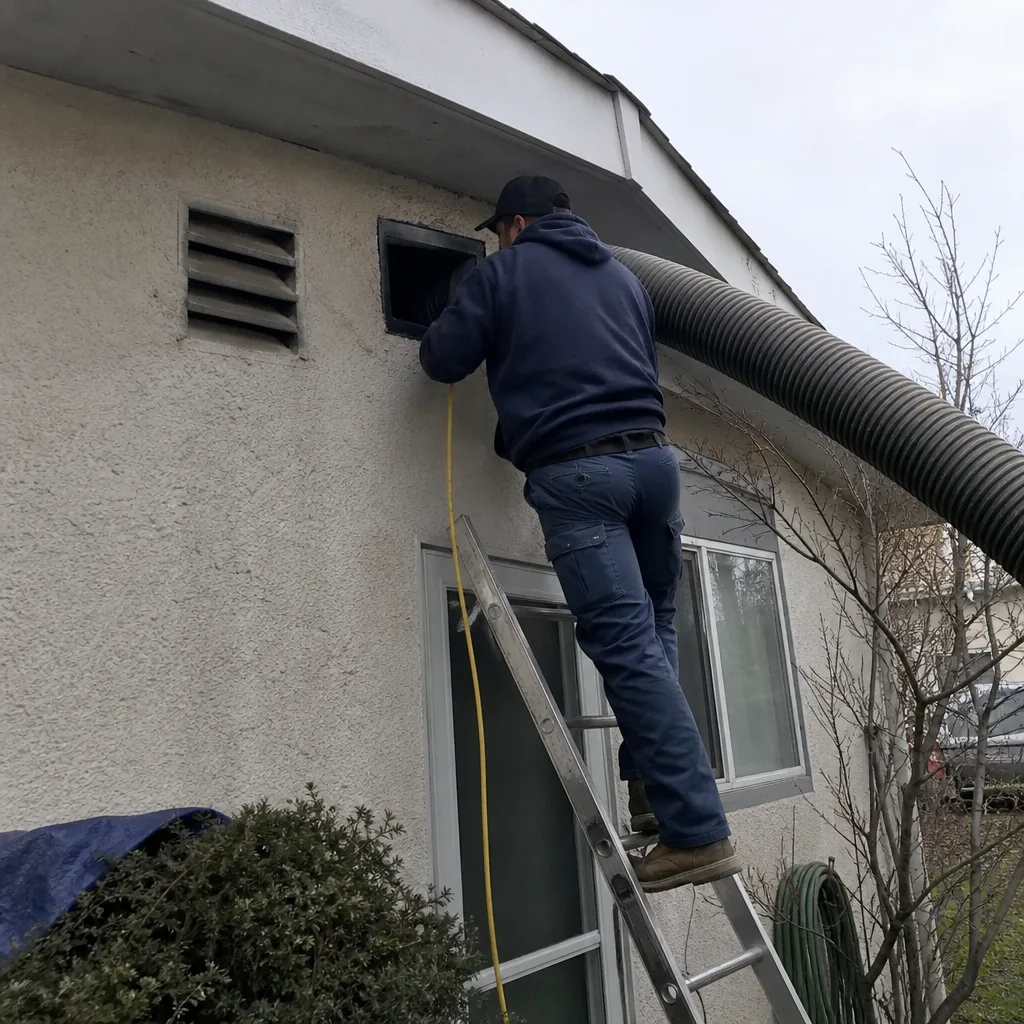 Before
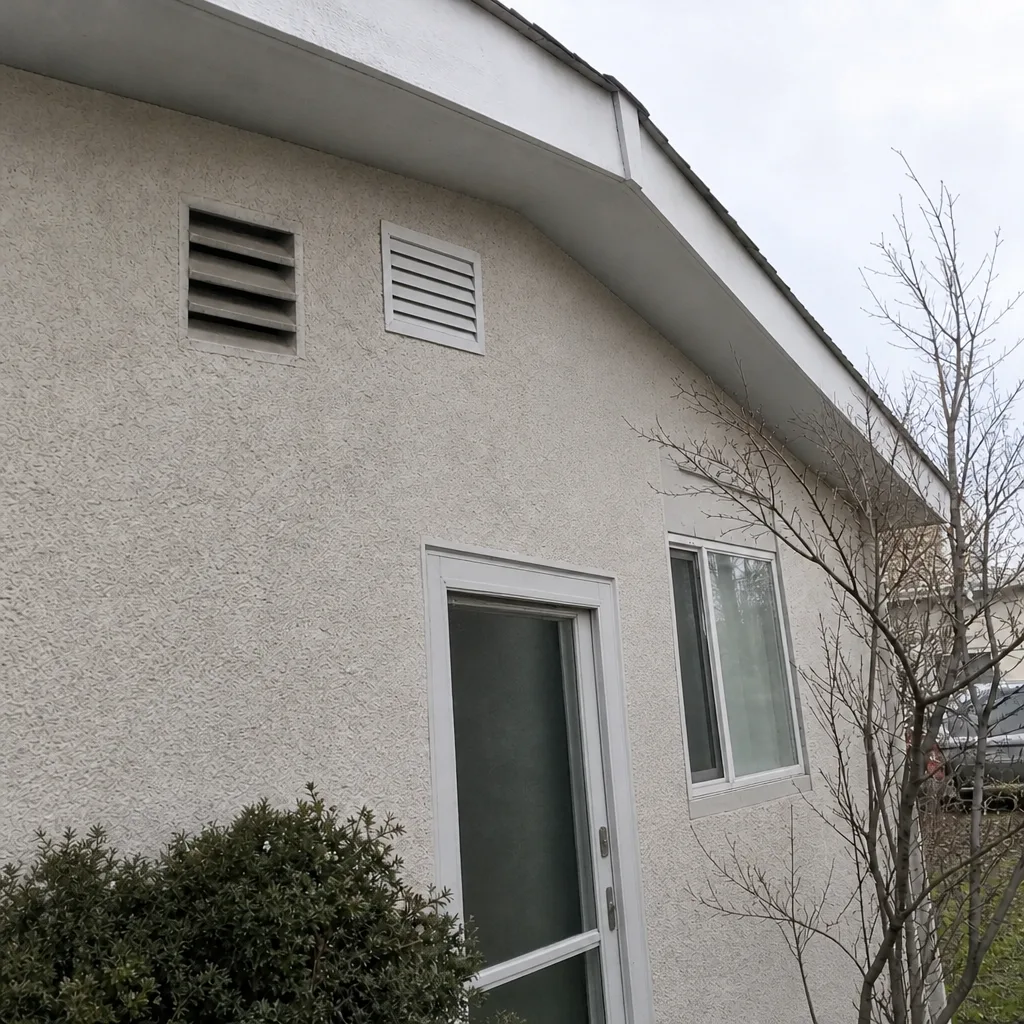 After
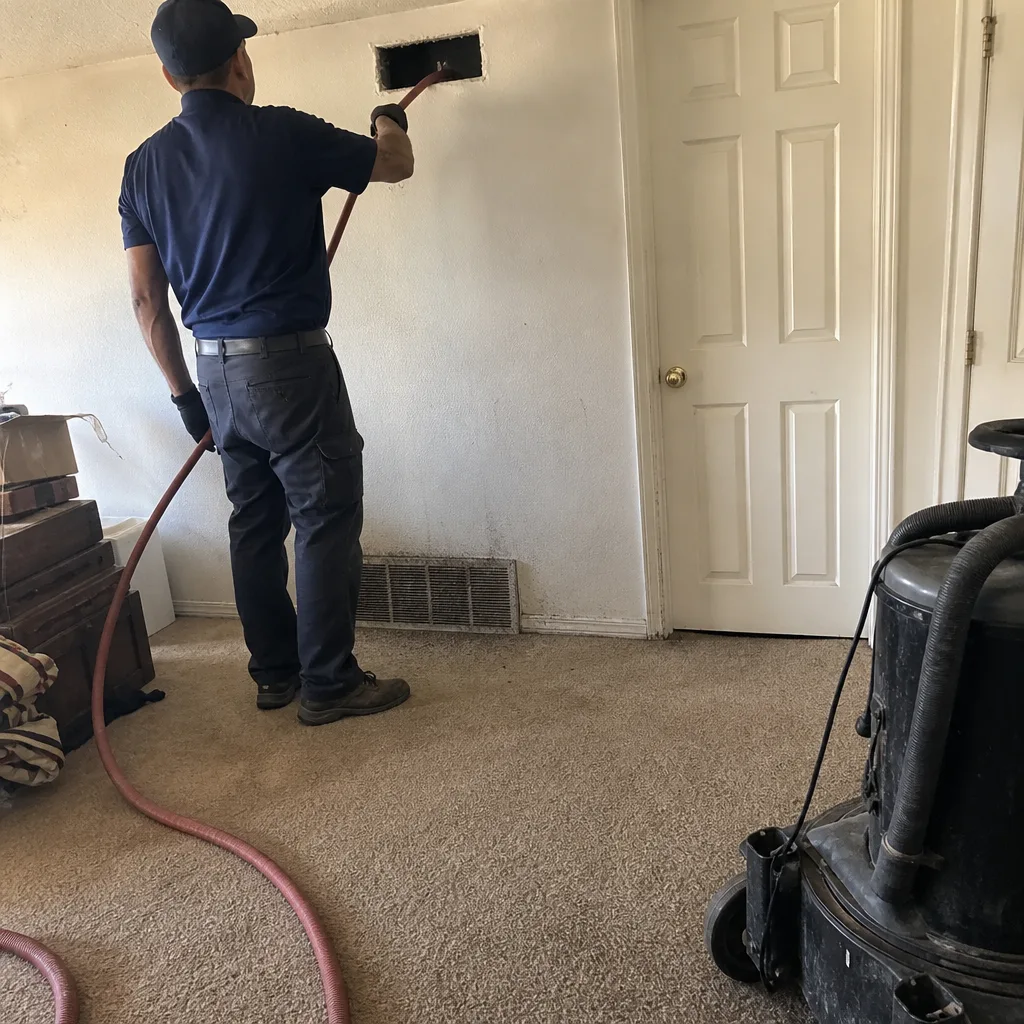 Before
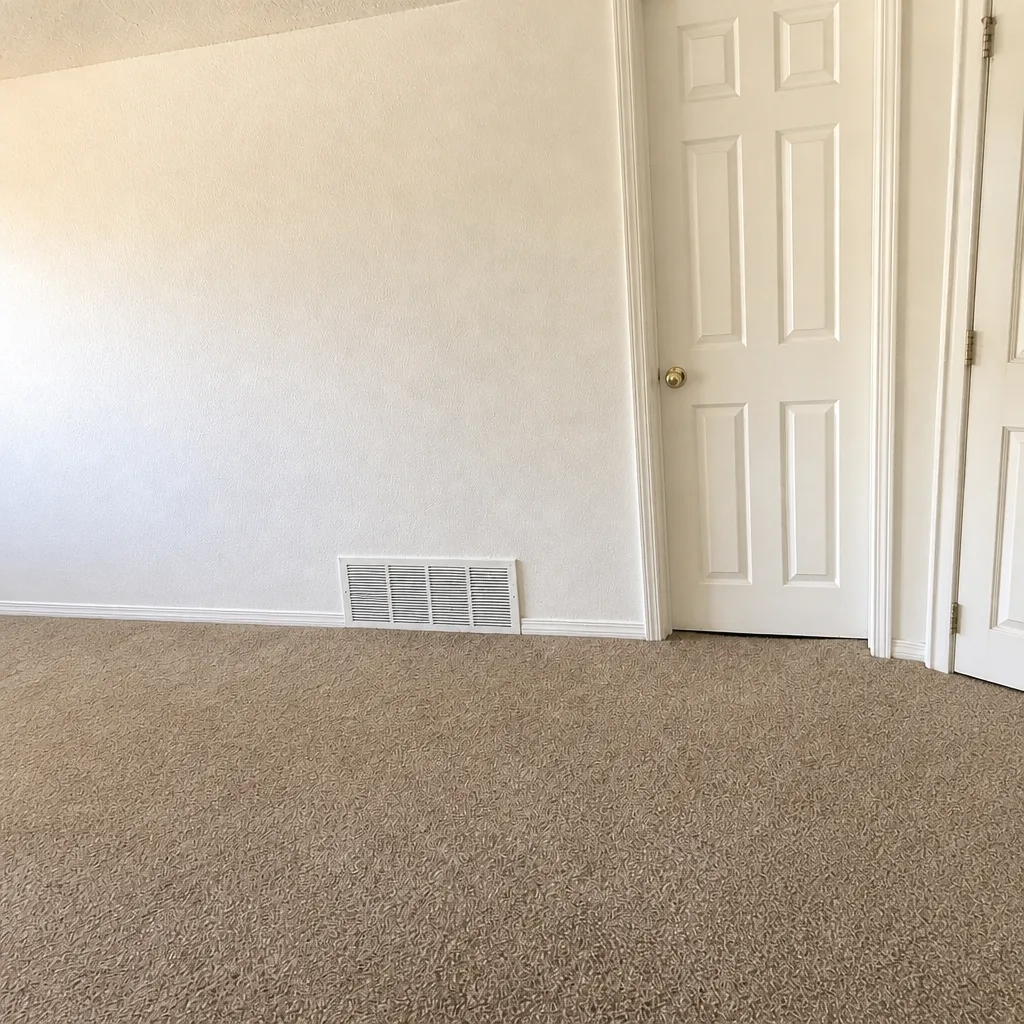 After
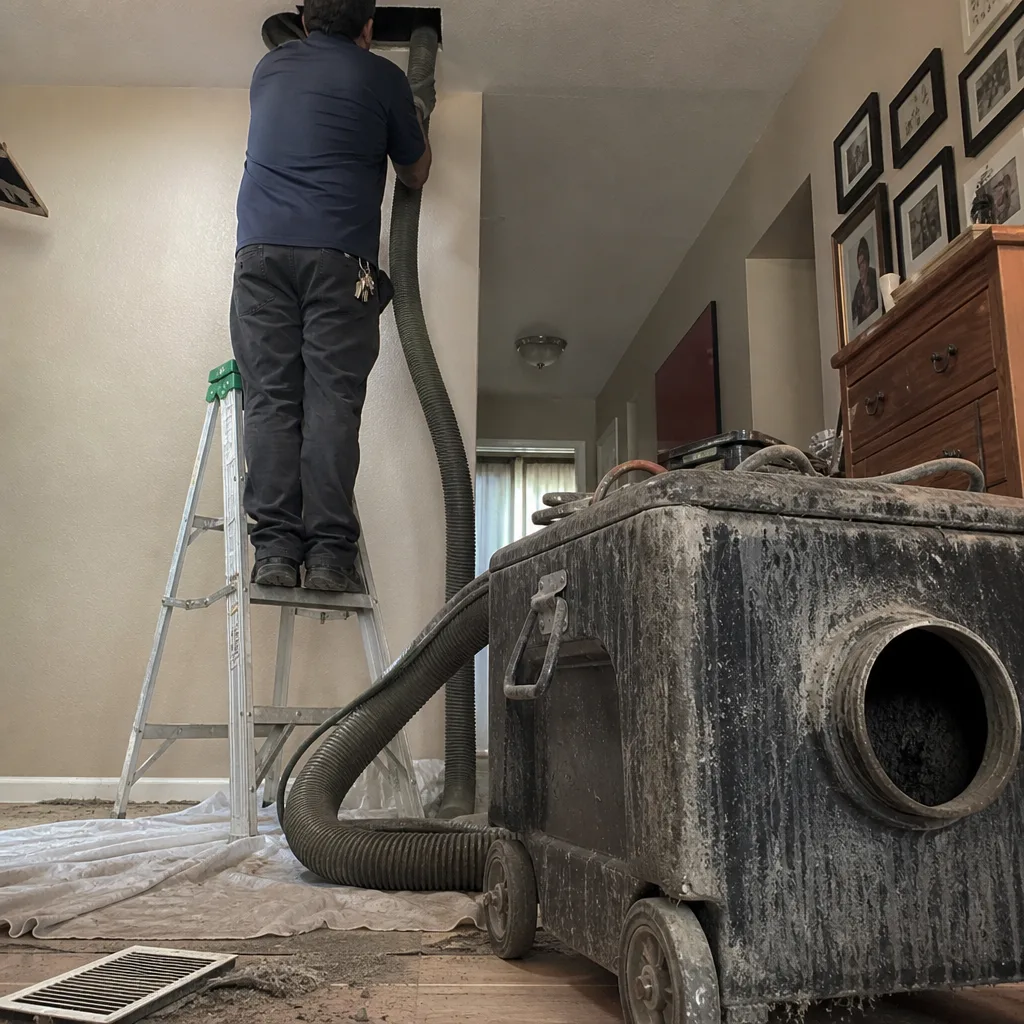 Before
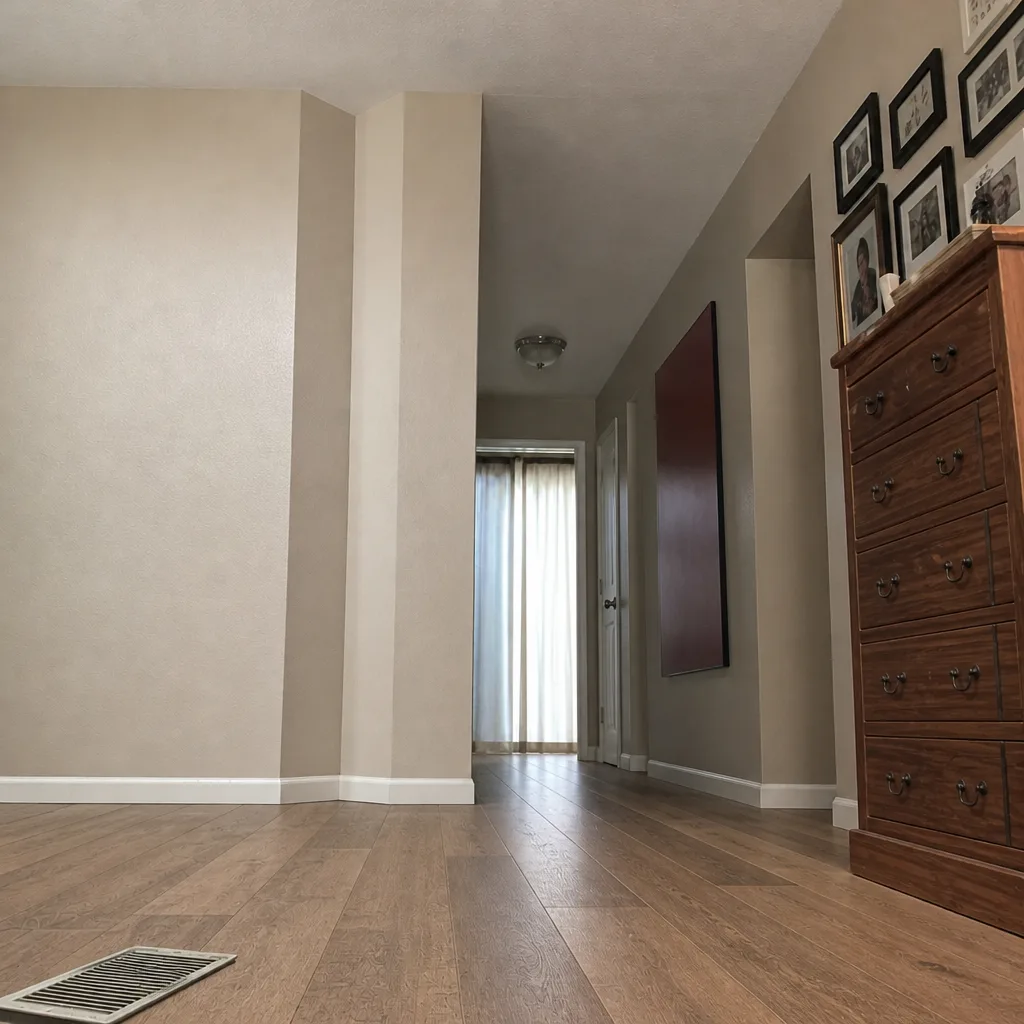 After
When to Call a Professional
You should call a duct cleaning professional in Gilroy when you see dust accumulating on surfaces within days of cleaning despite a clean filter, when you notice a musty or stale odor when the system runs, when you’ve recently completed a renovation or construction project that put drywall dust and debris into the air, or when your dryer is taking two or more cycles to finish a load. If you have allergies that flare up when the HVAC runs, or if you’ve never had the ducts cleaned since you moved in and you can’t account for the system’s maintenance history, the time is right for an inspection. Duct Cleaning Gilroy offers free estimates in Gilroy. Call (833) 589-9833. We answer 24/7. Fast dispatch from 7am to 7pm, Sunday through Friday.
Frequently Asked Questions
Air duct cleaning in Gilroy typically runs between $450 and $900 for a complete system on a single-family home, depending on the number of systems, the number of supply and return registers, and the accessibility of the duct runs. The written estimate sets the final price, not a phone quote. Call (833) 589-9833 for an exact quote. Estimates are free.
Cheaper quotes usually reflect lighter equipment and a narrower scope, not a better deal. A company running a portable shop vac and a manual brush can offer a lower price because they’re doing less work with cheaper tools. The quote may also exclude the blower compartment, coil, and return plenum, which are the parts that actually matter. Compare the scope line by line before comparing prices.
You know the work was done because a professional contractor provides before-and-after camera footage, a written completion report, and confirmation that the filter was checked or replaced. If a company can’t show you the inside of your own ducts after the job, you have no evidence the cleaning happened.
In Gilroy’s dry, dusty climate, most homes benefit from a full duct cleaning every 3 to 5 years. Homes with pets, recent construction, or residents with allergies may want cleaning more often, every 2 to 3 years. If you’ve never had the system inspected, start with an inspection rather than an assumption.
California does not issue a specific license for air duct cleaning. Companies that also perform HVAC work may hold a C-20 license, but a company that only cleans ducts can operate without a state trade license. This makes equipment verification and written scope documentation much more important than licensing when you hire.
Duct cleaning can reduce the amount of dust and particulate that circulates through your HVAC system, which can help alleviate allergy symptoms and reduce dust accumulation in the home. It is not a cure-all for indoor air quality, and filter quality and sealing matter just as much. A professional cleaning paired with proper filtration is the strongest combination. Call (833) 589-9833 for an assessment. Estimates are free.
The Bottom Line
Hiring a duct cleaning contractor in Gilroy means hiring in a market with no licensing barrier, which puts the entire burden of vetting on you. The way to hire well is not to read more reviews. It’s to ask the three equipment questions: what negative air machine they run and at what CFM, whether they use a rotary brush system, and whether a camera scope is included. Then demand a written quote with a register count and a defined scope. Then require camera footage and a completion report when the job is done. Do those four things and the difference between a $49 coupon special and a real cleaning becomes obvious before anyone steps foot in your house. The work itself is invisible. The process shouldn’t be.
Written by the team at Duct Cleaning Gilroy, serving Gilroy since 2011.