
Last updated November 4, 2026
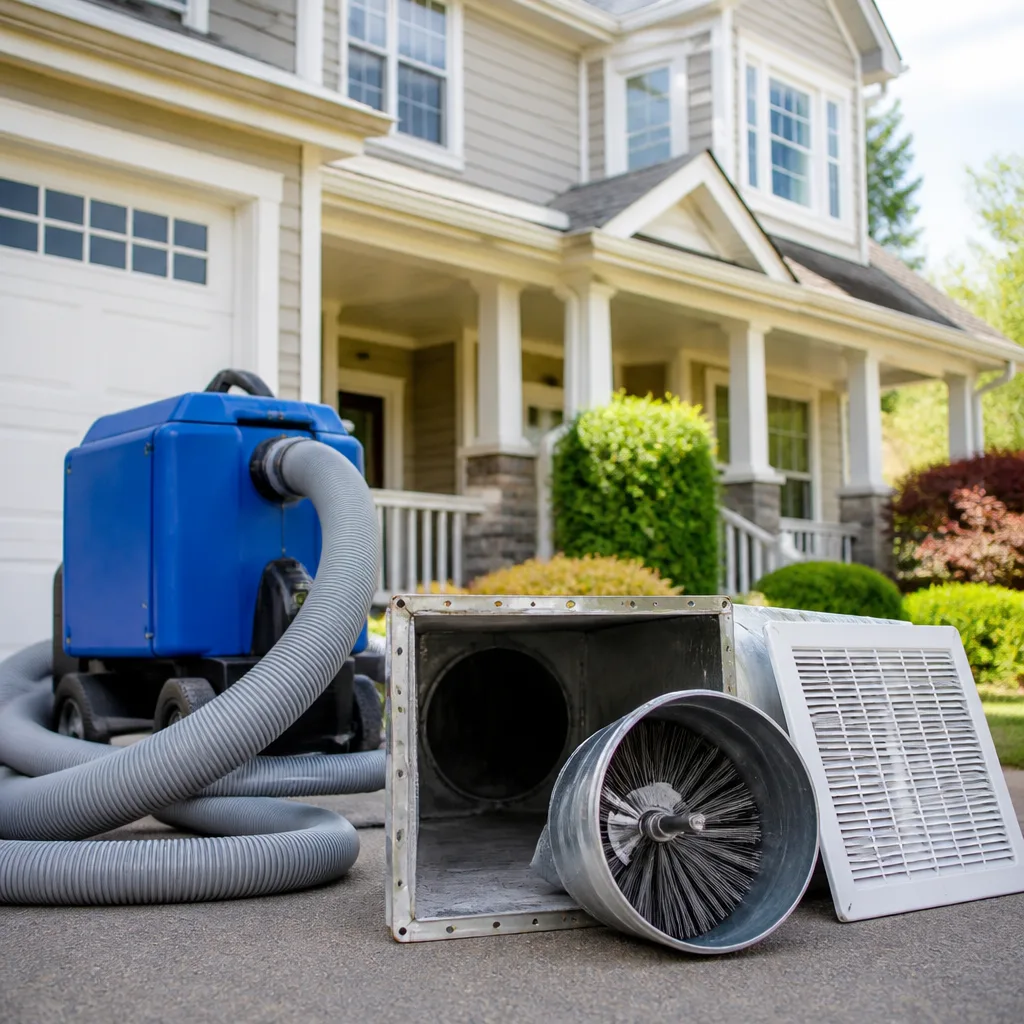 Whole-home duct cleaning
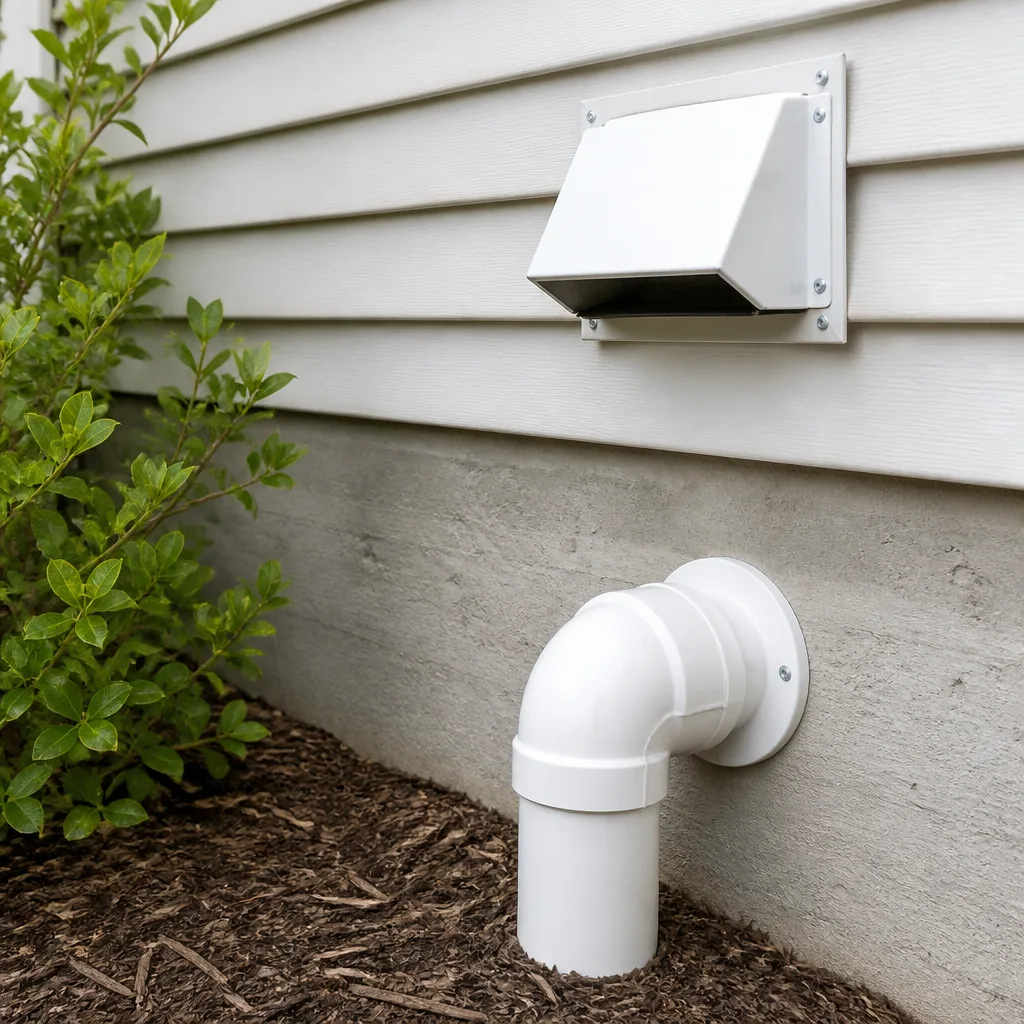 Dryer vent cleaning
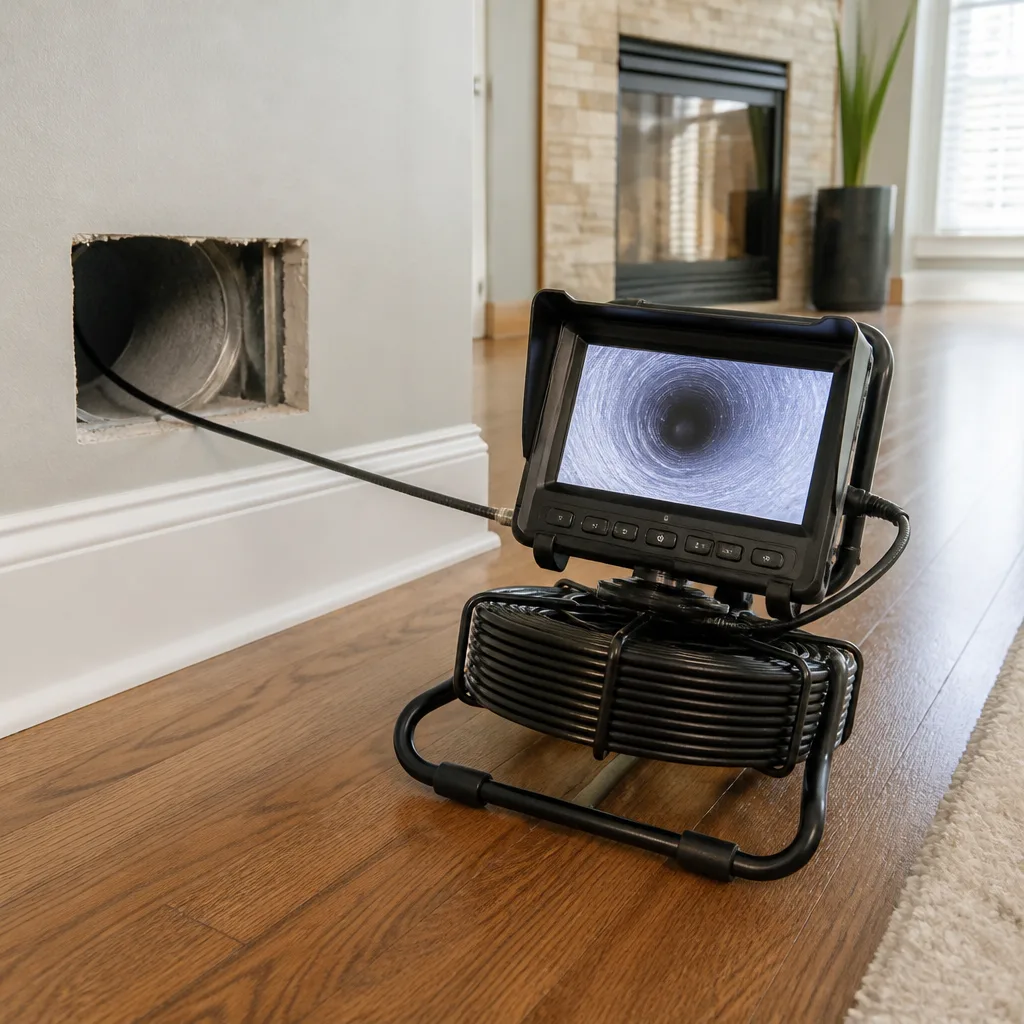 Camera inspection
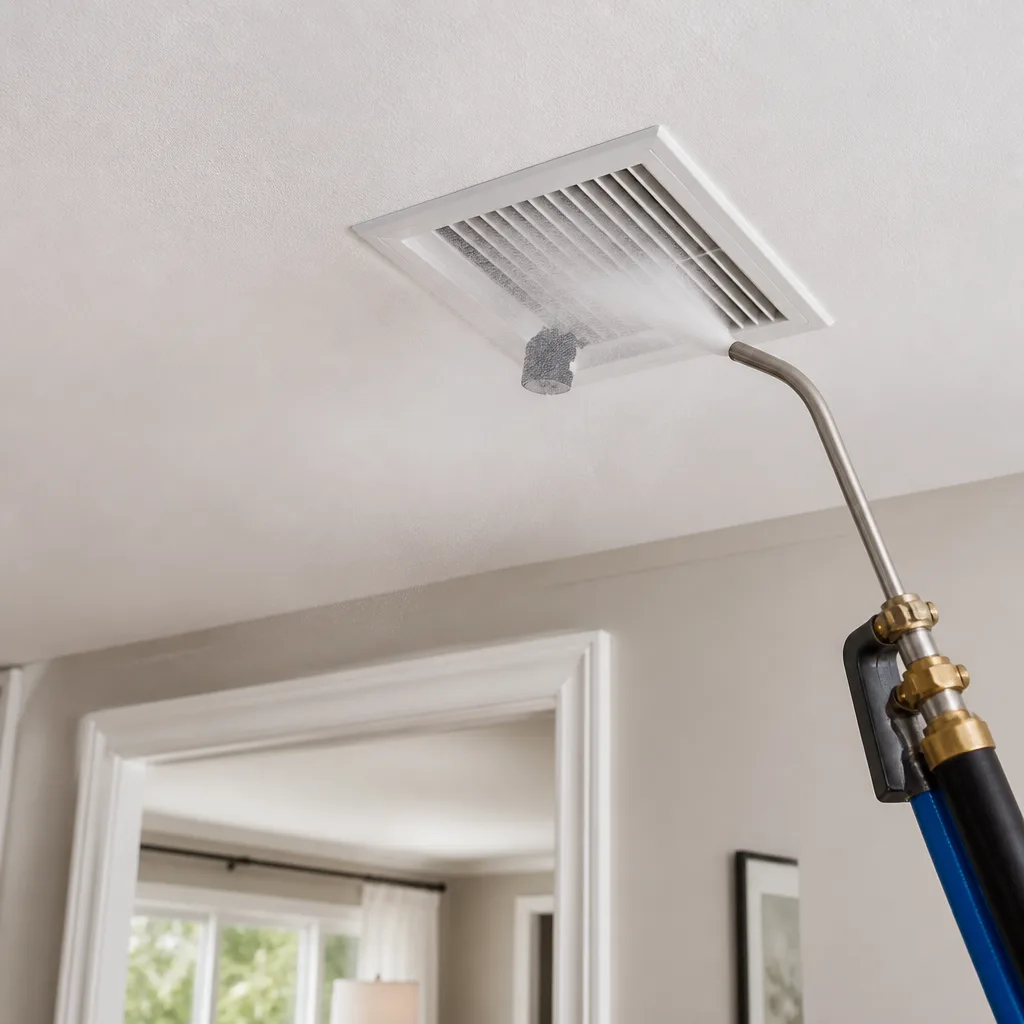 Sanitizing & deodorizing
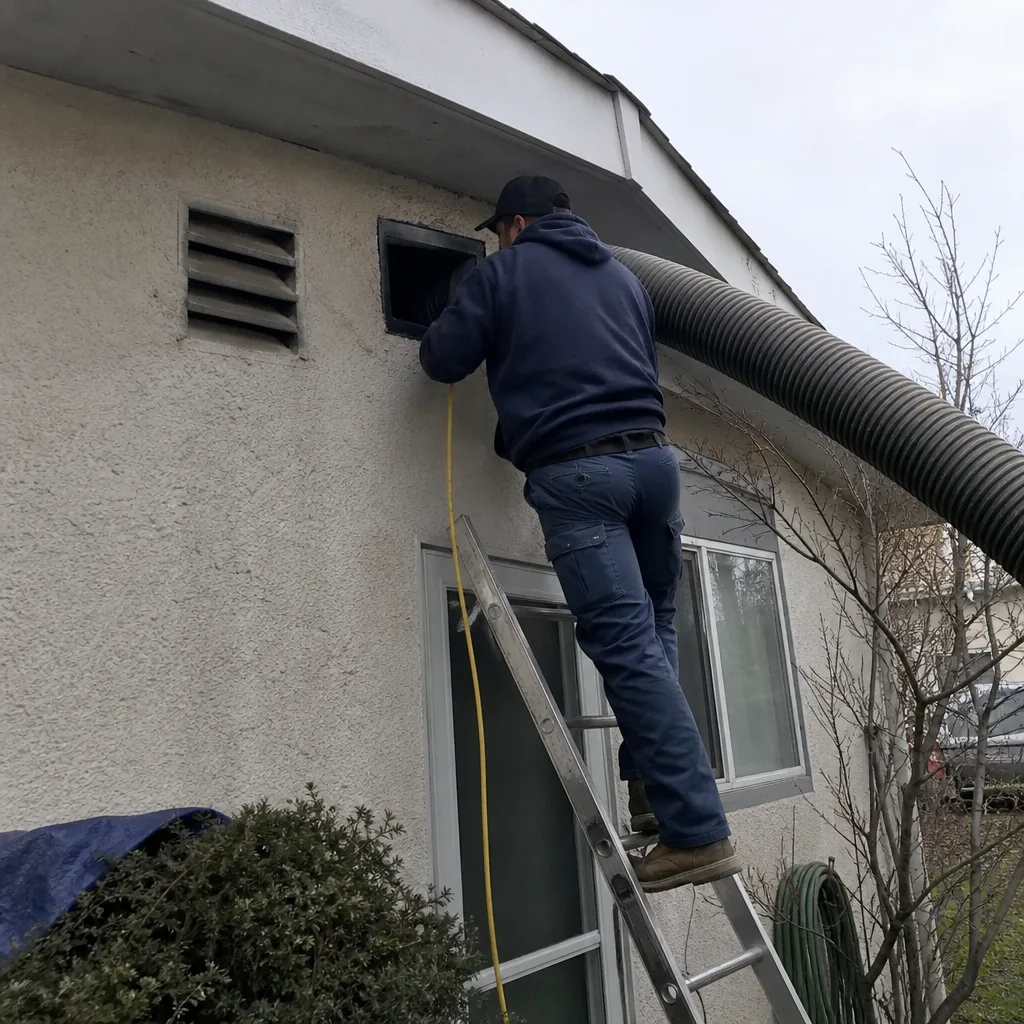
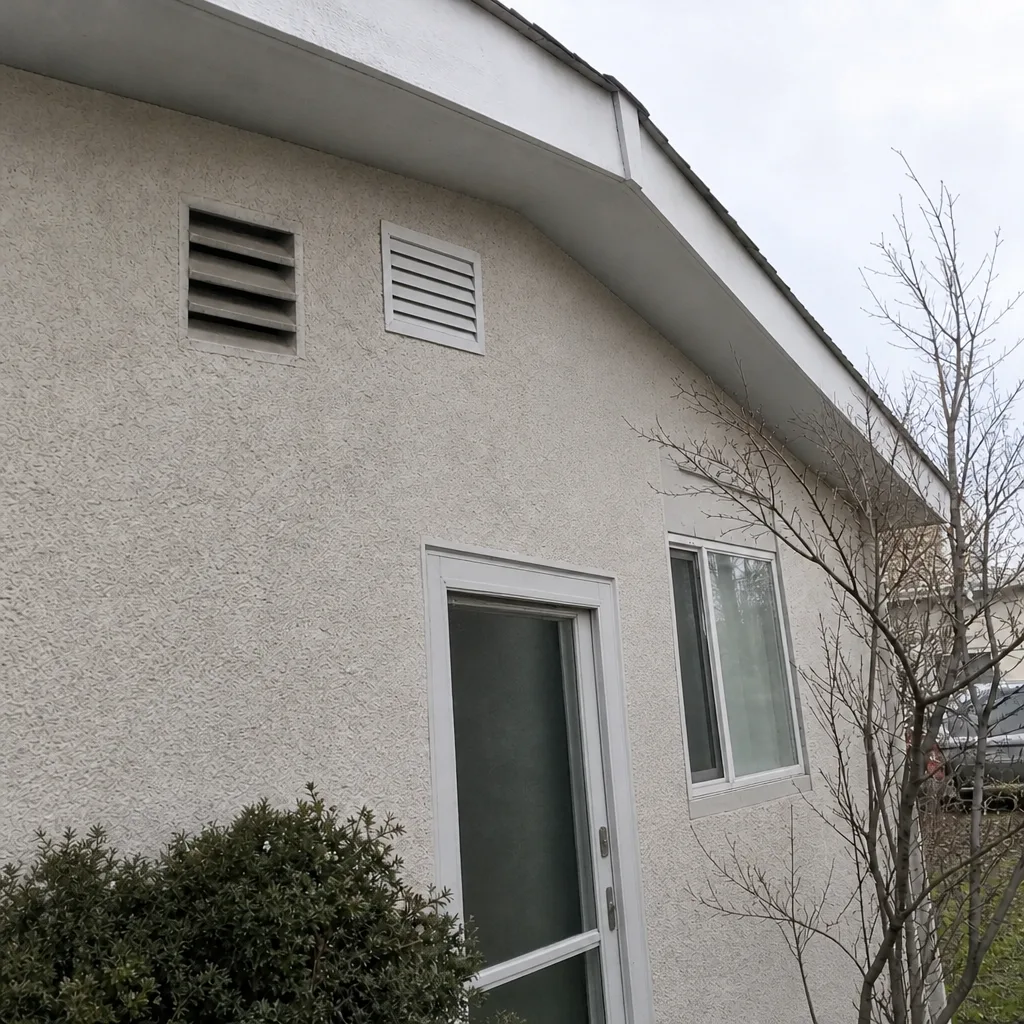
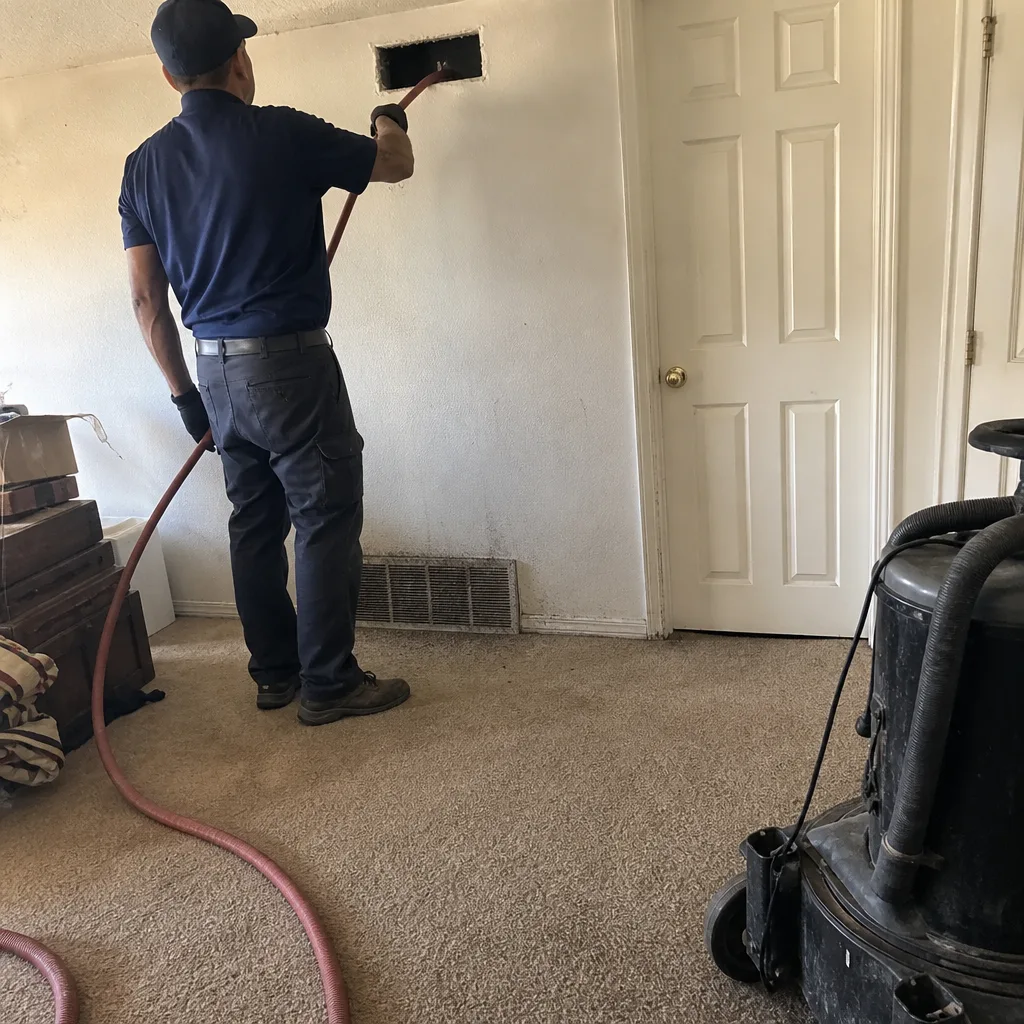
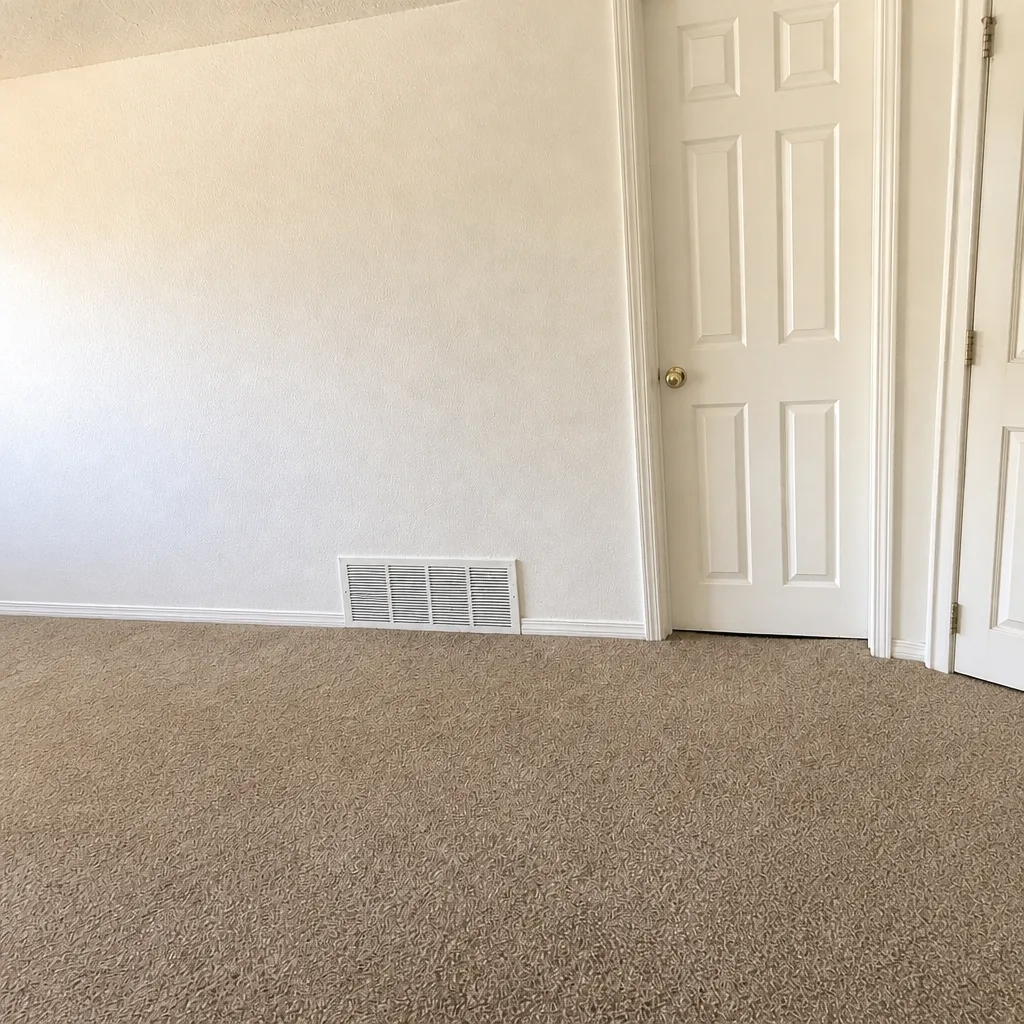
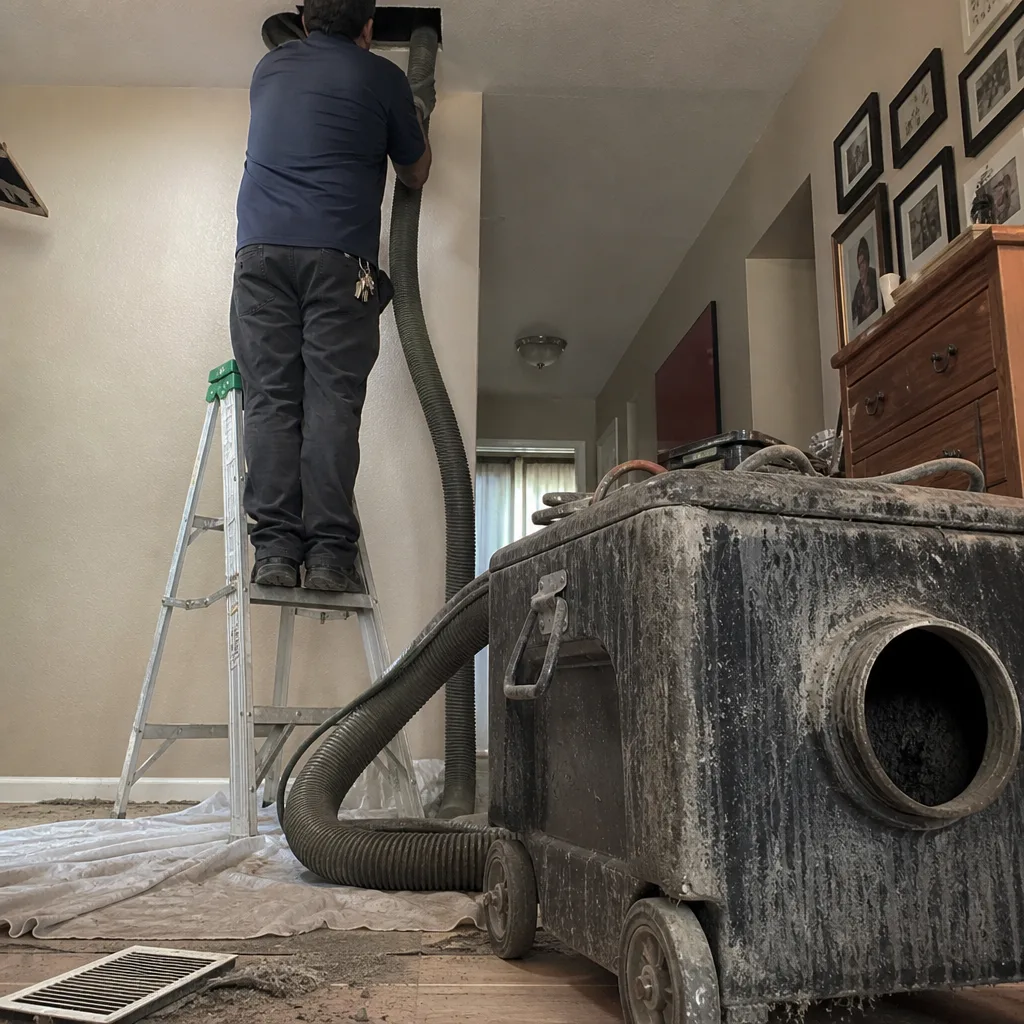
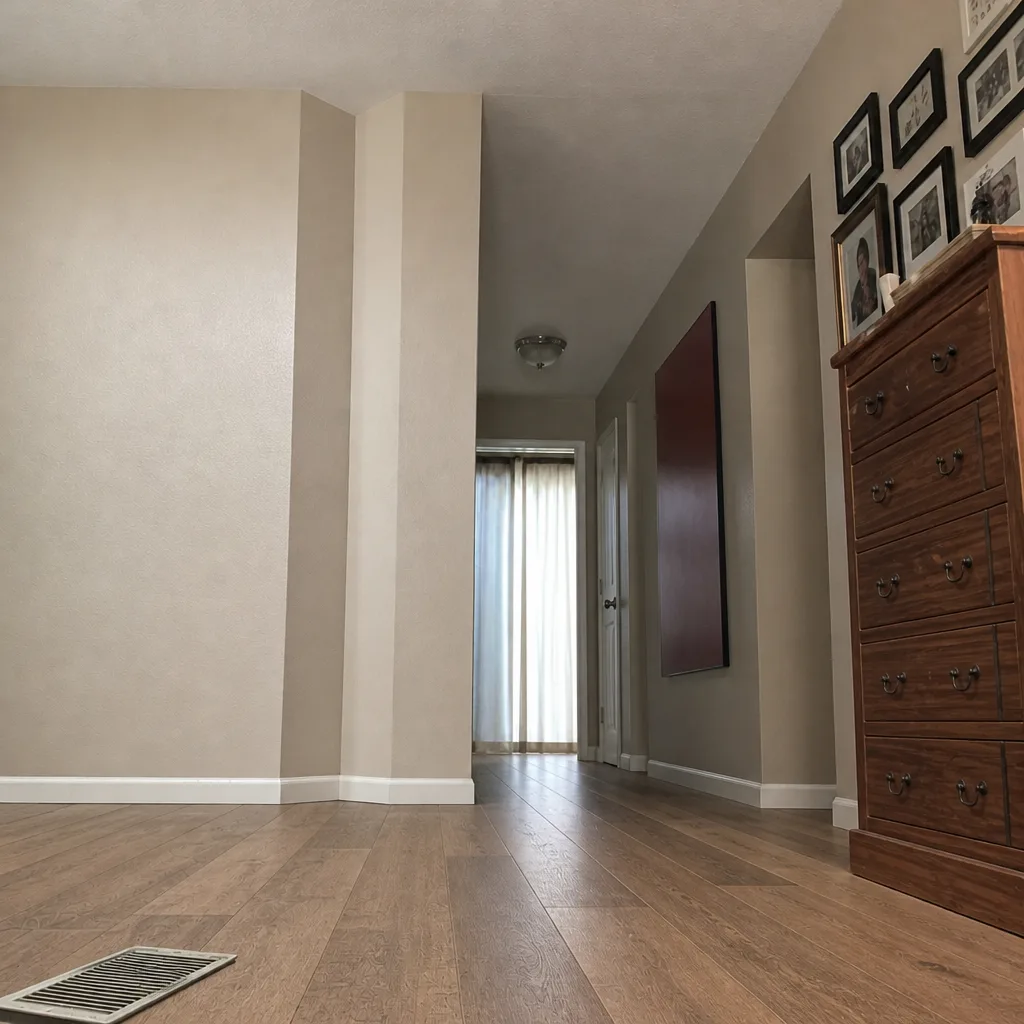
Whole-system duct and dryer vent check with before-and-after photos - you see exactly what came out of your vents
That "$99 whole-house special" is a bait ad - the real number appears once they are in your hallway, or the "clean" is a shop-vac at the register. We photograph the inside of your ducts before and after instead.
Air Duct Cleaning Maintenance Checklist for Gilroy Homeowners
Changing your filter every 90 days is advice built for a city with average air. Gilroy’s air quality index spikes during garlic harvest, almond bloom season from neighboring valleys, and August wildfire events, and your duct system’s maintenance schedule should reflect that, not ignore it. This guide gives you a condition-based checklist organized around the actual contamination calendar in Gilroy. You’ll learn how to read visual register discoloration, choose the right filter without starving your blower, and log what matters so each cleaning builds on the last one instead of starting from zero.
Styles & brands we work with
- Whole-home duct cleaning
- Dryer vent cleaning
- Camera inspection
- Sanitizing & deodorizing
Quick Answer
A practical air duct cleaning maintenance checklist for Gilroy homes has two parts: inspect your registers every 30 days for discoloration or airflow changes, and schedule professional cleaning when the visual evidence says the system is carrying particulate load, not when a calendar says so. The four contamination events that drive a Gilroy schedule are garlic harvest processing (July through September), orchard and field bloom dust (February through April), wildfire smoke (August through October), and the rainy-season mold window (December through February). Between full cleanings, check the blower compartment and drain pan twice a year, and keep a service log with dates, filter MERV ratings, and before-and-after observations.
Table of Contents
- The Gilroy Contamination Calendar: When Your Ducts Actually Load Up
- Visual Register Inspection: Reading the Discoloration
- Filter Selection: MERV Ratings for Gilroy Conditions
- The Two Mechanical Checkpoints Between Professional Cleanings
- Record-Keeping: What to Log After Every Service
- Dryer Vent Maintenance: The Fire-Safety Item on the Same List
- Common Mistakes to Avoid
- When to Call a Professional
- Frequently Asked Questions
- The Bottom Line
The Gilroy Contamination Calendar: When Your Ducts Actually Load Up
Most duct cleaning checklists tell you to change a filter every quarter and call it maintenance. That approach ignores how particulate actually enters a Gilroy home. Your duct system is a conveyance network, and what it carries depends on what is in the air outside at any given time of year. The air around Gilroy is not uniform across twelve months. It shifts with agricultural cycles, seasonal weather patterns, and wildfire activity. A maintenance schedule tied to calendar dates will miss the weeks when your system takes on the most material. A schedule tied to observed conditions will not.
Here is the contamination calendar we work from when we clean systems in Gilroy:
- February through April: orchard and field bloom dust. When the surrounding agricultural valleys move into bloom season, the air carries fine pollen and soil particulates. This material is light, sticky when damp, and settles into return ducts and filter media quickly. If anyone in the home notices a jump in allergy symptoms during these months, the ducts are likely carrying the same pollen load that triggered the reaction.
- July through September: garlic and field harvest. Garlic processing in Gilroy generates airborne organic dust and odor compounds. Processing activity runs through the harvest and curing window, and the particulate load is heavier than most homeowners expect. This is also when open windows let in more field dust, which then gets pulled through the return side of the HVAC system.
- August through October: wildfire smoke. Smoke events push fine combustion particulates into the air. These particles are small enough to slip past standard filters and they settle inside duct walls as a fine, gray-black film. The smell lingers in the system even after outdoor air clears, especially when the AC runs and pulls smoky air across the evaporator coil.
- December through February: rainy-season mold window. Gilroy’s wet season raises indoor humidity, especially in crawl spaces and unconditioned zones. Duct systems that run through damp areas can develop condensation on the exterior of the ductwork, which eventually becomes visible as staining on registers or a persistent musty odor when the blower starts.
The takeaway is simple: if you want a maintenance checklist that actually works in Gilroy, check your registers at the end of each of these windows, not on a fixed quarterly date. The system will tell you when it needs attention. Your job is to look.
Visual Register Inspection: Reading the Discoloration
Every homeowner in Gilroy can do a basic visual register inspection without any tools and without touching anything dangerous. It takes about ten minutes and it gives you the single most useful data point for deciding when to schedule a professional cleaning. The key is learning what different discoloration patterns indicate, because not all register buildup means the same thing.
Step-by-Step Visual Inspection
- Turn the system off at the thermostat. This keeps air from moving dust around while you inspect, and it prevents the blower from pulling your inspection light debris into the return.
- Remove one supply register and one return register. Plastic registers usually lift out after removing two screws. Metal registers may have a spring clip or two screws. If a register is painted in place, use a utility knife to score the paint line before pulling, so you do not peel the wall finish.
- Wipe the back of the register with a dry white paper towel. Look at what transfers. The color and texture tell you more than the thickness of the dust.
- Shine a flashlight into the register opening and inspect the first 6 to 12 inches of visible duct wall. Look at the surface, not just the dust sitting on the bottom. Discoloration on the duct wall itself is the tell.
- Repeat on at least three registers on different sides of the home. If the pattern is consistent, it is a systemwide condition. If one register looks different from the others, the problem may be localized to that branch run.
Reading the Patterns
- Uniform gray powdery dust. This is standard household dust: skin cells, fabric fibers, tracked-in soil. Normal, but if it is thick enough to write in, the system carries a heavy load and needs cleaning.
- Dark gray to black, slightly oily film. In Gilroy, this pattern usually points to wildfire smoke residue or, if the home has a kitchen near a return, oil smoke. Smoke particles are fine and slightly tacky, so they adhere to duct walls and wipe off with a gray smear. Post-fire-season homes show this pattern often.
- Brown to black spotty staining that does not wipe clean easily. This is a moisture pattern. It usually indicates condensation on the duct surface or, in rainy-season homes, higher-humidity air moving through the system. If you see this, check the drain pan and blower compartment next because moisture problems concentrate there.
- Green, white, or blue fuzzy growth on or around the register. This is mold. It has an odor, and it should not be disturbed without containment. This is not a DIY item, and it requires a professional with the right filtration setup rather than a blower-and-brush approach. We use Abatement Technologies negative-air equipment on heavy contamination jobs so that what we dislodge does not end up in your living space.
- Chunky debris, pet hair, or visible insect parts at the register. This indicates a return-side problem: the filter may not be seated properly, return ducting may have a gap, or the filter is the wrong size and air is bypassing it at the edges. Fix the filter path before spending money on cleaning, because the system will just reload.
Log the date, which registers you checked, and what you saw. Three months later, compare. If the same film returns quickly, the system needs attention sooner rather than later.
Filter Selection: MERV Ratings for Gilroy Conditions
Filter selection is the most misunderstood part of duct system maintenance in Gilroy. Homeowners read about MERV-13 as the gold standard for wildfire smoke and allergies, then buy the highest-rated filter at the hardware store and wonder why their older system sounds strained. The answer is air resistance. Higher MERV ratings mean denser media, and denser media means more static pressure against the blower. On older Gilroy HVAC equipment with original blower motors, a MERV-13 filter can starve the system for air, increase energy use, and shorten blower life. The right filter is a match between what you want to capture and what your system can move.
How to Choose for Your System
- MERV 5 to 8: the baseline for older Gilroy systems. If your furnace or air handler is more than 15 years old and the blower is a standard PSC motor, stay in this range. It catches household dust and larger pollen particles without imposing enough resistance to hurt airflow.
- MERV 9 to 11: the compromise band. Good for homes with pets, older carpet, or mild seasonal allergy complaints. Most newer blowers handle this range fine. If you have an ECM or variable-speed blower, this is a safe band without much downside, and it captures the bloom-season pollen load more effectively than a MERV 8.
- MERV 13: for wildfire season, with caveats. MERV 13 media captures smoke particles, and during a heavy Gilroy smoke event it makes a real difference in what gets through to the ducts. The caveat is that it should go in only if your system was designed for it or the blower has the static-pressure headroom. If the system is old and you still want smoke protection, the better move is a standalone room air cleaner with HEPA filtration and a standard MERV 8-11 filter at the furnace. Running MERV 13 on a system that cannot move it creates the exact problem you are trying to solve: dirt falls out of suspension at the coil, and the blower runs hot and slow.
- Filter grille vs. filter cabinet. If your home has a single return grille with the filter in it, the filter is doing double duty: it catches return-air particulate and protects return duct runs from loading up. Make sure it is the right size and that the frame seals with no air bypass. A 1-inch filter in a 2-inch channel leaves a gap, and air takes the path of least resistance around the media.
If you have a Honeywell or Aprilaire media cabinet or electronic air cleaner installed, we know how to work around those components without voiding your setup. The maintenance piece is simple: follow the manufacturer’s change interval for that cabinet, and do not layer a high-MERV disposable on top of an already-filtered system. You would be stacking resistance for no benefit.
One more note about filter changes in Gilroy specifically: during the August through October smoke window, check a standard filter every two weeks instead of once a month. Smoke loads that filter visibly faster, and a loaded filter increases pressure across the entire system.
The Two Mechanical Checkpoints Between Professional Cleanings
Between full professional cleanings, there are two mechanical checkpoints that belong on a Gilroy homeowner’s list: the blower compartment and the drain pan. These are the spots where problems accumulate even when registers look clean. Both are usually behind one access panel on the air handler or furnace, and both can be checked with the system powered down. If you are not comfortable opening the panel, the inspection waits until the next professional visit. If you are comfortable, here is what to check and why.
1. Blower Compartment Inspection
- Turn off power to the air handler or furnace at the disconnect switch, not just the thermostat. The blower motor can start without warning, and the external disconnect is the only zero-power state.
- Remove the access panel and inspect the blower wheel fins. Look for what we call “lint blanket”: a dense, matted coating of dust and fibers wrapped around the wheel fins and the motor housing. This is common in Gilroy homes with pets, homes near agricultural fields, and any home where the filter has spent time seated imperfectly.
- Check for oily residue on the blower housing. This pattern is more common after wildfire smoke exposure or in kitchens where cooking oil reaches the return side. It is a sign the wheel needs cleaning, not just the ducts.
- Listen for bearing noise when the system starts. A dry bearing sounds like a low squeal or a rumble that fades as the motor comes up to speed. It indicates the system is working harder than it should, and it is a pre-failure warning worth catching before a full motor replacement.
We see blower wheels caked with years of material that was never going to show up at a register because the blower itself became the filter. That is what happens when airflow is compromised over time. The good news is that blower wheel cleaning is a standard part of a full system cleaning, and the before-and-after difference in airflow is often the single biggest change a homeowner notices.
2. Drain Pan Check
The condensate drain pan sits under the evaporator coil, and on a Gilroy air conditioning system it collects water whenever the AC runs. During the peak cooling months, the pan sees constant moisture, and a slow drain means standing water. Standing water in a dark, warm air handler is an incubator, and the smell eventually moves through the supply ducts.
- With the panel still open, locate the drain pan under the coil. It may be metal or plastic. Look for sediment, rust, or a water line that sits higher than it should.
- Check the drain line for scale or organic buildup at the opening. In Gilroy’s hard water conditions, mineral scale from evaporating water builds up in the condensate line and eventually blocks it. The pan overflows, and the result is water damage around the air handler or biological growth in the pan.
- If the pan has standing water, note it. This is the pre-mold condition that produces the musty odor many Gilroy homeowners notice when the AC first kicks on. It is usually fixable with a drain-line flush and pan cleaning, and it is far easier to address before the growth moves into the coil and ductwork.
Check both of these points once before the rainy season and once after wildfire season. Those are the two windows when Gilroy systems absorb the most environmental stress.
Record-Keeping: What to Log After Every Service
The difference between a maintenance log that helps you and one that sits in a drawer is specificity. Most homeowners write “duct cleaning done” and leave it at that. The next technician shows up with no baseline, no comparison point, and no way to know whether the system is improving or degrading. A useful log is short, dated, and records the things that change over time.
Here is the format we recommend for Gilroy homeowners:
- Date of service or inspection. The year matters, because you are comparing across contamination seasons.
- Filter MERV rating and brand at the time of service. If it changed, note it. Filter changes affect every downstream observation.
- Visual condition of the blower wheel before cleaning. If the technician notes “light dust” versus “heavy lint blanket,” that tells you whether your filter setup is working.
- Drain pan condition. Standing water or scale buildup should be logged, because a repeat season of the same condition points to an airflow or drainage problem, not a one-time event.
- Before-and-after photos of the duct interior. Photos are the most defensible record, and they give the next technician a visual baseline. We provide before-and-after photos as part of every cleaning for this reason.
- Any registers that showed unusual discoloration. If the master bedroom register shows moisture staining while the rest are clean, that branch run may need repair or insulation work, and the next inspection should compare the same spot.
- Any repairs completed during the same visit. If a loose return duct or a disconnected boot was sealed, log it. Repairs change the system’s leakage profile, which changes how it loads.
The goal is that when the next professional arrives, they can read the log in two minutes and understand the system’s history. That is how you build a maintenance record that compounds instead of a series of unrelated cleanings.
Dryer Vent Maintenance: The Fire-Safety Item on the Same List
No duct maintenance checklist for a Gilroy home is complete without the dryer vent. It is the most neglected duct in the house, and it is the one carrying the highest known fire risk. Lint builds inside the vent run, airflow drops, the dryer runs longer, and the exhaust temperature climbs. The same heat that dries your clothes is now concentrating in a lint-choked pipe. This is not an air-quality upsell; it is a fire-safety item that belongs on every homeowner’s radar.
Here is the simple maintenance logic: if a load of towels now takes two cycles to dry, the vent is already restricted. That is not the time to change the dryer settings. That is the time for dryer vent cleaning. We clear the run, measure airflow at the termination point, and confirm the exhaust is moving at spec before we pack up. The goal is not to remove a little lint. The goal is to restore the vent to the airflow it was designed for.
For a Gilroy homeowner, the relevant fact is that this home’s laundry use tracks the agricultural season. Work clothes come out of fields and orchards, they go through the wash, and the lint they shed is finer and more abundant than typical cotton lint. A vent that was clean in June may be restricted by September. The checklist item is simple: during harvest season, check the exterior vent flap after every cycle for visible lint and backpressure. If the flap does not fully open on every cycle, the vent is already winding down.
We include dryer vent cleaning as a defined service alongside full duct cleaning because the two are physically connected. A restricted dryer vent raises indoor humidity and pushes lint particles into the laundry room air, and the return side of the HVAC pulls some of that back into the ducts. Cleaning one without the other leaves a source in place.
Common Mistakes to Avoid
- Changing the filter on a fixed 90-day schedule no matter what the system saw during those 90 days. During Gilroy’s wildfire months, a filter can load in two weeks. The schedule should follow the air, not the calendar.
- Installing a MERV-13 filter on an older blower because it was the highest number on the shelf. Higher MERV costs airflow. If the blower does not have the static pressure to spare, you are robbing the system to improve filtration that never gets to happen because the air bypasses the filter anyway.
- Wiping register dust with a wet cloth and calling it clean. The register is the visible tip of the duct. Cleaning the faceplate does nothing about what sits 12 inches inside and on the blower wheel. It resets the visual timer while leaving the load in place.
- Ignoring one bad register because the rest look fine. A single register with moisture staining while the rest are clean points to a branch-run problem: disconnected duct, a condensation point, or an airflow imbalance. That is often a repair issue, not a cleaning issue, and air duct repair is one of the three services we offer alongside cleaning.
- Assuming a musty smell is just the AC “doing its thing” after sitting unused. The smell indicates biological activity on the coil or in the drain pan. It does not resolve itself. It concentrates.
- Skipping the dryer vent because the dryer “still works.” A dryer that runs two cycles per load is the system telling you the vent is clogged. Waiting until the dryer stops working means waiting until the fire risk has been present for months.
- Hiring a cleaning company that does not inspect before they clean. If a technician does not look at the blower and drain pan first, they are going to clean around a problem. Repair-capable service means the same crew can fix what they find, not just blow past it.
When to Call a Professional
Some conditions on this checklist are visual, and some are mechanical, but certain patterns should trigger a professional visit rather than another month of observation. If you see black oily film on multiple registers after wildfire season, the smoke residue is in the system and it will not blow itself out. If the musty odor is stronger when the blower starts and fades while it runs, the contamination is on the coil or drain pan, not in the room. If you open the blower compartment and the wheel is covered in lint blanket, the system needs contact cleaning with a rotary brush, not a visual once-over. And if the dryer vent flap will not fully open or the dryer runs two cycles per load, the vent is restricted and every cycle adds heat load to a lint-packed pipe. Duct Cleaning Gilroy offers free estimates in Gilroy, and we answer 24/7. Call (833) 589-9833 and we will inspect before we clean, show you what we found, and repair what needs repairing in the same visit.
Frequently Asked Questions
How often should I have my air ducts cleaned in Gilroy?
It depends on the home’s exposure, not a fixed interval. Homes near agricultural activity or that have been through a wildfire smoke event often need cleaning every 2 to 3 years. Homes with tight filtration, no pets, and minimal cooking oil may go longer. The register inspection in this guide is the tool that tells you when the system is actually loaded.
Can I clean my own air ducts with a shop vac?
No. A shop vac cannot reach the length of a duct run, and it does not have the filtration to capture what it dislodges. What you would be doing is loosening fine particles and pushing them toward the registers, or into the living space. Professional contact cleaning uses a rotary brush to physically scrub the duct wall while a HEPA vacuum runs at the collection point. The combination is what removes the material, not the brush alone.
Why do my ducts smell musty in winter when the heat runs?
In Gilroy, the likely cause is moisture in the system, typically in the drain pan or on the coil, that sits during the damp window from December through February. The heat passing across the wet surface carries the odor the same way warm air picks up scent from wet earth. The fix starts with a drain pan and blower compartment inspection, because if the moisture source remains, the smell comes back after any cleaning.
Does wildfire smoke actually stay in my ducts?
Yes. Smoke particles are fine and slightly tacky, and they adhere to duct walls, the blower wheel, and the coil surface. What you smell months after the fire event is not the air outside; it is the residue inside the system being warmed and circulated. A full system cleaning addresses it, and we run HEPA filtration during the work so the loosened residue is captured, not recirculated.
How do I know if my dryer vent is clogged?
Three signs: a load of towels takes two full cycles to dry, the exterior vent flap does not fully open during a cycle, or the laundry room is noticeably more humid than the rest of the home. All three say the exhaust path is restricted. Call (833) 589-9833 for an exact inspection and cleaning estimate. The estimate is free.
Is air duct repair really something a duct cleaning company should do?
It belongs in the same visit, because cleaning will expose problems that a cleaning-only company will either ignore or ask you to hire someone else to fix. Disconnected branch runs, compromised boots, and gaps in return ducting are all common findings. We offer air duct repair as a defined service, so when we find a problem during cleaning, we can fix it rather than document it and leave.
The Bottom Line
A working duct maintenance checklist for Gilroy is built around what actually happens to the air here: harvest dust loads, bloom-season pollen, wildfire smoke residue, and a winter mold window. Check your registers at the end of each contamination window and log what you see. Match your filter MERV rating to the blower’s capability, not the highest number available. Check the blower wheel and drain pan twice a year, because that is where hidden loads accumulate. And treat the dryer vent as a fire-safety item that becomes urgent when dry times climb. When the observations say the system needs contact cleaning, call (833) 589-9833 and we will inspect before we clean, show you the before-and-after, and repair what needs repairing. The estimate is free and the price is set per job before work starts.
Written by the team at Duct Cleaning Gilroy, serving Gilroy since 2011.
See the difference
 Before
 After
 Before
 After
 Before
 After