
Last updated November 4, 2026
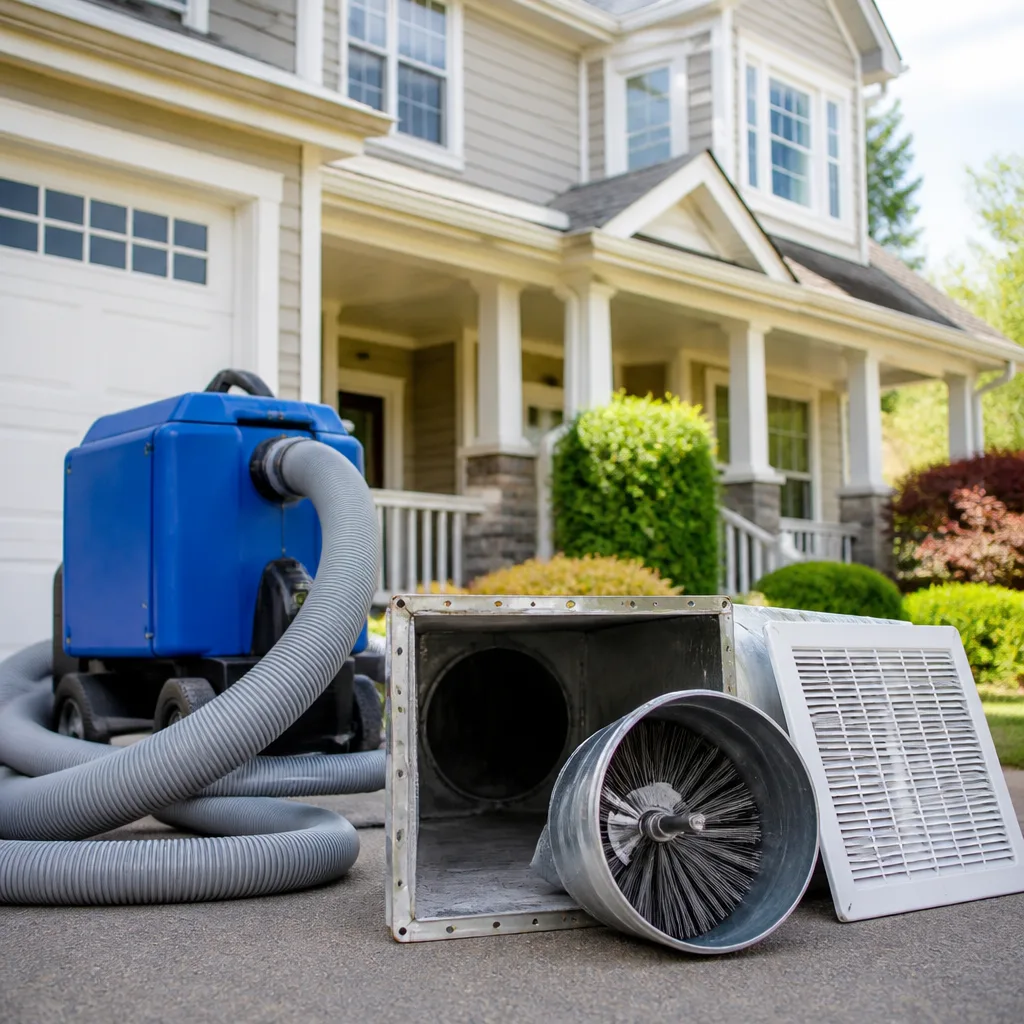 Whole-home duct cleaning
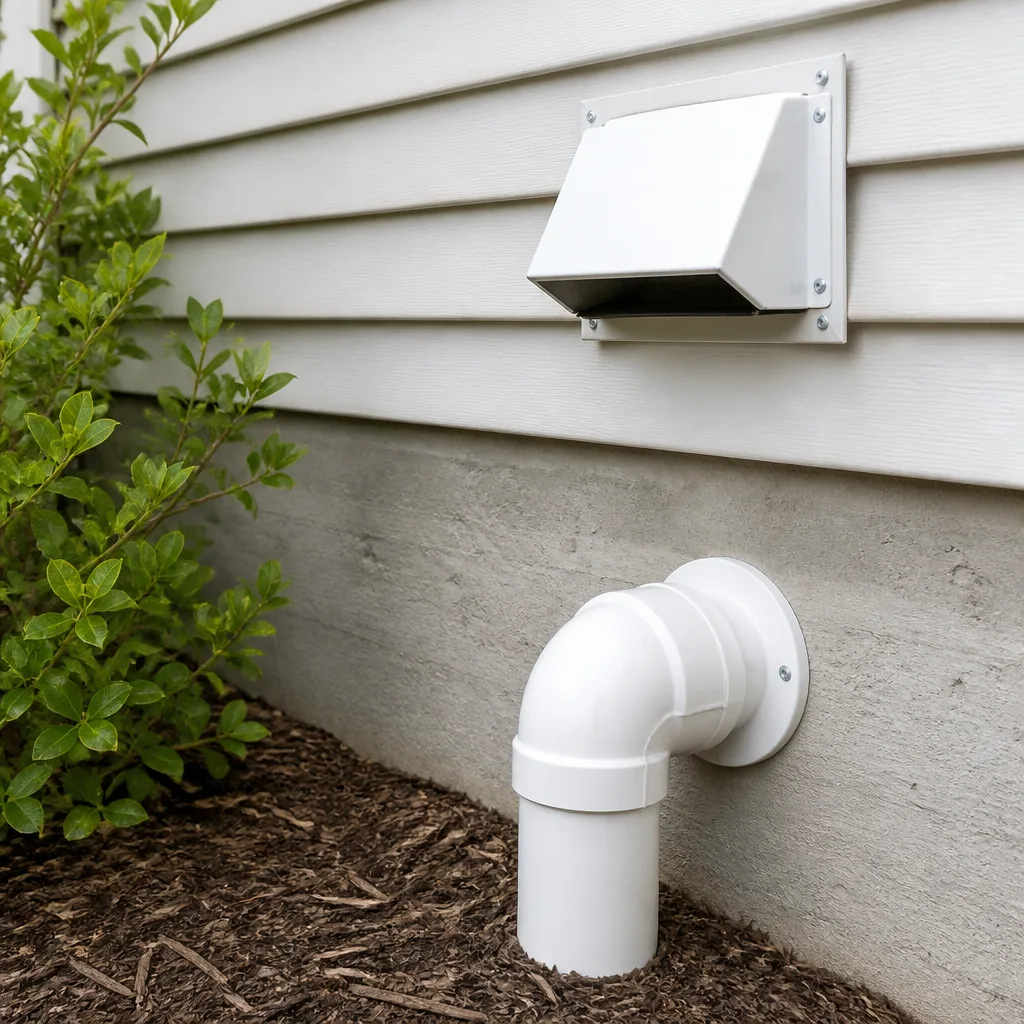 Dryer vent cleaning
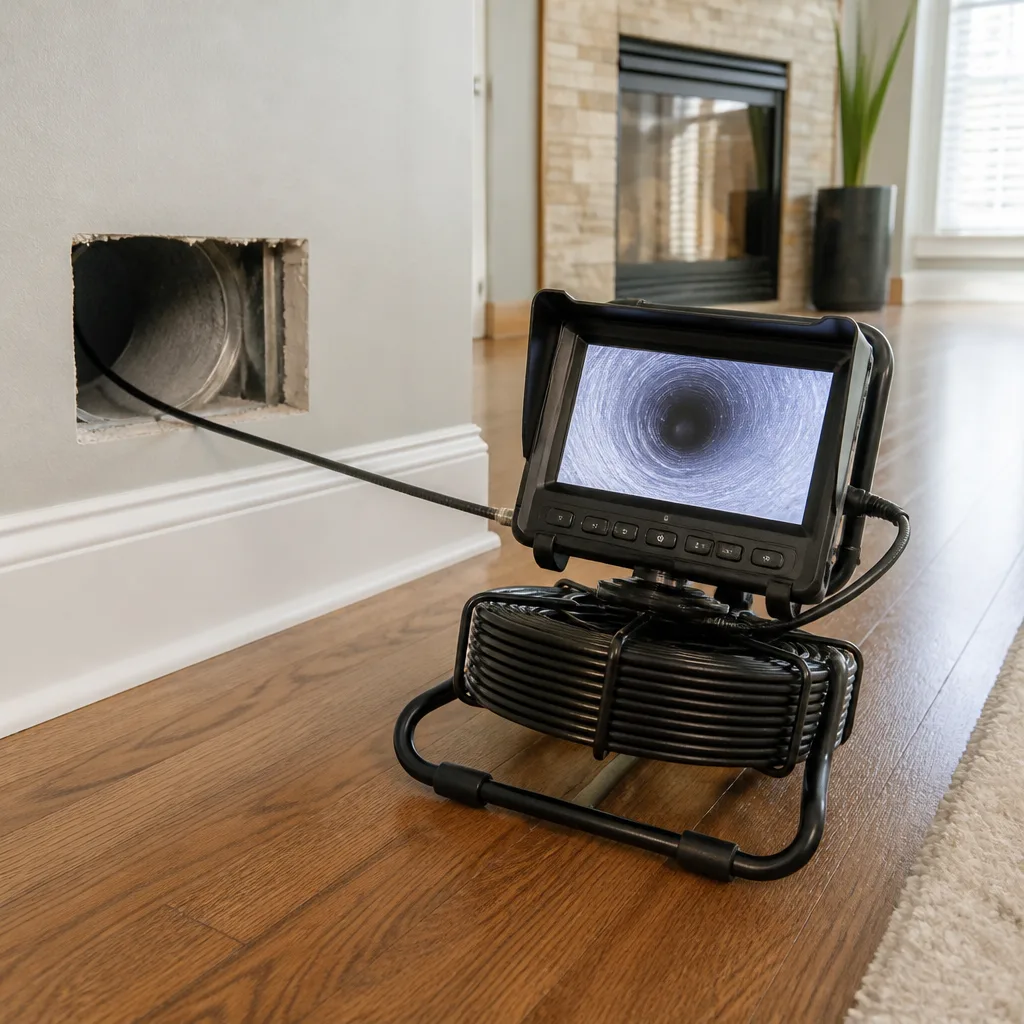 Camera inspection
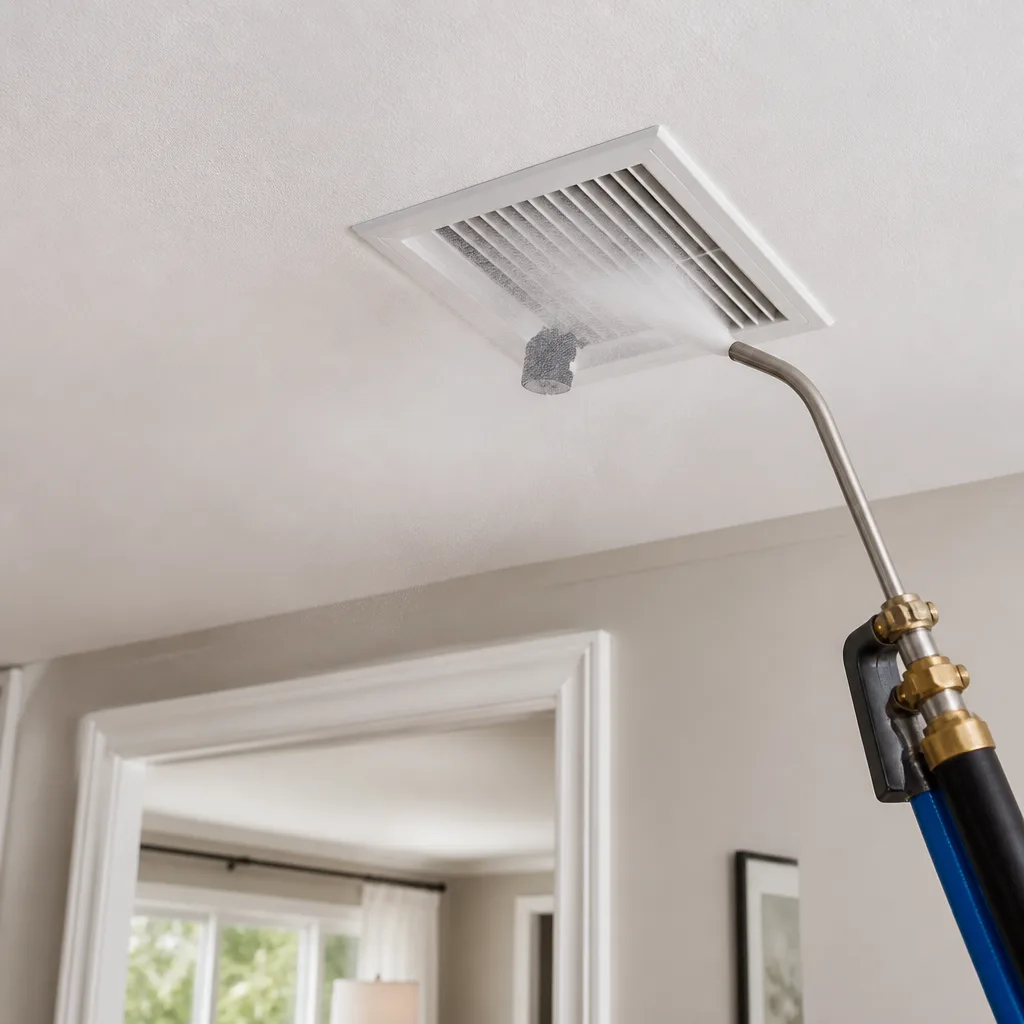 Sanitizing & deodorizing
Whole-system duct and dryer vent check with before-and-after photos - you see exactly what came out of your vents
That "$99 whole-house special" is a bait ad - the real number appears once they are in your hallway, or the "clean" is a shop-vac at the register. We photograph the inside of your ducts before and after instead.
Air Duct Cleaning Permits, Codes & Inspections in Gilroy, CA: What You Need to Know
Most homeowners in Gilroy assume a permit question has a simple yes or no answer. With air duct cleaning, the honest answer is more interesting: the cleaning itself is not a permitted activity, but the conditions it uncovers frequently are. You might schedule what you think is a routine cleaning and discover a disconnected duct, a corroded plenum, or mold growth that changes the regulatory picture entirely. This guide maps exactly where those lines fall, what the City of Gilroy Building Division actually enforces, and how to document your work so it doesn’t become a problem during a future home sale.
Quick Answer
Air duct cleaning alone does not require a permit anywhere in California, including Gilroy. However, if the cleaning reveals ductwork that needs sealing, replacement, or modification, or if mold remediation becomes necessary, those adjacent repairs typically trigger a mechanical permit under California Residential Code Title 24 and must go through the Gilroy Building Division. Documentation is your best protection: keep before-and-after photos, a scope-of-work report, and any permit records, because these matter in insurance claims and real estate disclosures.
Styles & brands we work with
- Whole-home duct cleaning
- Dryer vent cleaning
- Camera inspection
- Sanitizing & deodorizing
Table of Contents
- California’s Permit Landscape: Cleaning vs. Modification
- Where Title 24 Actually Intersects With Ductwork
- City of Gilroy Building Division: What They Enforce
- Mold Discovery During Cleaning: Disclosure and CDPH Guidance
- NADCA ACR-2021: The Professional Standard That Isn’t Law
- Home Sales, Disclosures, and Documentation in Gilroy
- A Working Checklist for Gilroy Homeowners
California’s Permit Landscape: Cleaning vs. Modification
The California Building Standards Code (Title 24) governs what requires a mechanical permit. Here’s the distinction that matters: cleaning is maintenance, and modification is construction. Running a rotary brush through existing ductwork, vacuuming out debris, and wiping down registers does not alter the system’s design, materials, or performance characteristics. That’s why no California jurisdiction, including Gilroy, requires a permit for it.
But the moment you change the system physically, the regulatory picture shifts. Replacing a section of collapsed duct, sealing leaks with mastic at the connections, adding a new return, or rerouting a supply line all count as modifications under the California Mechanical Code. Those jobs require a mechanical permit, and in Gilroy that means filing with the Building Division before the work begins. We’ve seen homeowners caught off guard by this more times than we can count: they approve a repair during a cleaning, and the repair itself is what triggers the paperwork, not the cleaning that found it.
What Requires a Permit vs. What Doesn’t
Here’s a practical breakdown for Gilroy homeowners:
- No permit needed: Air duct cleaning using brush or negative-air systems, dryer vent cleaning, register and grille cleaning, visual inspection with cameras or borescopes, basic filter replacement.
- Permit may be required: Duct replacement beyond a small patch, adding new duct runs, relocating registers, sealing more than a minor joint (via aerosol or mastic work that’s considered a repair versus a modification depends on scope), replacing a plenum, or installing a new air handler connection.
- Permit definitely required: Any change to the system layout, any replacement of the furnace or air conditioner itself, any work that involves opening a wall or ceiling to access ductwork, and any remediation that involves removing contaminated materials.
The practical rule: if the work changes what air goes where, or how the system was originally installed, call the Building Division before work starts. The counter call takes ten minutes and eliminates a permit violation that could surface years later.
Where Title 24 Actually Intersects With Ductwork
Title 24, Part 6 of the California Code of Regulations is the state’s energy efficiency standard. It applies to new construction and to modifications that affect a building’s thermal envelope or HVAC performance. When ductwork is replaced or significantly repaired in Gilroy, the new materials and installation methods must meet current Title 24 energy requirements. This means sealed connections with approved mastic or tape, insulation values that match the climate zone, and proper sizing for the system’s CFM requirements.
Gilroy sits in Climate Zone 4 under Title 24, which has specific duct insulation requirements. If a cleaning reveals insulation that has deteriorated inside the duct cavity, or if you’re replacing a section of duct, the replacement work needs to comply with those standards. A licensed mechanical contractor will document this as part of the permit. If someone tells you duct repair can happen quietly without a permit because “it’s just maintenance,” that’s a red flag. When the repair changes the system’s thermal performance, it’s a modification, and modifications need permits.
City of Gilroy Building Division: What They Enforce
The City of Gilroy Building Division is the local authority for building and mechanical permits. They operate under the California Building Standards Code, but they also have local amendments that affect how work gets permitted. For homeowners wondering whether their duct situation needs a permit, the Building Division is the first call, not the last resort.
In practice, here’s when we advise Gilroy homeowners to call the Building Division before any work beyond a standard cleaning:
- Bundled repairs. If your air duct cleaning quote includes replacing any duct, fixing disconnected sections, or re-sealing more than a small joint, ask whether a permit is part of the scope. If the contractor hedges, call the Building Division yourself.
- Post-remediation work. If mold, pest damage, or fire damage requires removing insulation or ductwork, that’s a removal and replacement job. The Building Division will want to see the scope before work starts.
- HVAC component replacement. Replacing an evaporator coil, air handler, or furnace often touches the duct connections. Even if the HVAC contractor pulls the permit for the equipment, the duct connection work is part of the same inspection.
- Owner-builder situations. If you’re doing the work yourself on a property you own, you can pull an owner-builder permit, but you carry the liability. Most Gilroy homeowners we talk to would rather have a licensed contractor handle both the mechanical work and the permit.
The Building Division is approachable. They’ll tell you over the phone whether your specific job needs a permit, and they’d rather answer that question beforehand than deal with an unpermitted modification discovered during a future inspection or sale.
Mold Discovery During Cleaning: Disclosure and CDPH Guidance
Here’s a scenario we’ve encountered in Gilroy homes: a routine duct cleaning reveals mold growth inside the duct liner or on the blower assembly. The cleaning itself isn’t the regulatory trigger here. But California Department of Public Health (CDPH) guidance, along with standard industry practice, creates obligations for anyone who discovers mold in a way that could affect occupant health.
In California, there is no state law that requires mold disclosure in all real estate transactions, but CDPH has published guidance documents that establish baseline expectations for mold assessment and remediation. For a homeowner, the practical reality is this: if a contractor discovers mold during a cleaning, they have a professional obligation to tell you, document what they found, and advise you on next steps. If the scope of the mold issue requires actual remediation (removing contaminated materials, not just cleaning surfaces), that work is not duct cleaning anymore. It’s remediation, and it may require a separate contractor, containment protocols, and in some cases, notification to relevant authorities depending on the severity and setting.
For Gilroy homeowners, the key point is that a duct cleaning company that finds mold should stop and communicate. They should not simply run the brush harder and tell you everything’s fine. At Duct Cleaning Gilroy, our approach when we encounter mold during a cleaning is to document it photographically, explain the extent in plain language, and recommend next steps. We use Abatement Technologies negative-air equipment where containment matters, but we also know when a job crosses from cleaning into remediation territory and requires a different scope, a different permit, and often a different contractor. That’s the honest answer, and it protects you.
NADCA ACR-2021: The Professional Standard That Isn’t Law
NADCA’s ACR-2021 (Assessment, Cleaning, and Restoration of HVAC Systems) is not a law in Gilroy, not a California code, and not something the Building Division enforces. It is, however, the closest thing the duct cleaning industry has to a professional code of practice. More importantly, it’s increasingly referenced in insurance claims and real estate transactions where the quality of duct work becomes a point of dispute.
What ACR-2021 actually establishes is a methodology: assess the system first, clean using source-removal techniques (physically removing debris rather than just blowing it around), and verify the results. It sets standards for what clean looks like using a visual inspection and, in some cases, surface sampling. When a Gilroy homeowner has an insurance claim involving duct contamination after a fire or water event, the adjuster may ask whether the cleaning followed NADCA guidelines. When a homebuyer asks for documentation of duct work, a report that references ACR-2021 carries more weight than a hand-scrawled invoice.
We clean to ACR-2021 standards because it’s the right methodology, not because anyone forces us to. Our Rotobrush system scrubs duct surfaces with contact cleaning, and our Nikro HEPA vacuum runs concurrently so loosened debris is captured at the source. That’s source removal in practice. It’s the difference between moving dust around and actually removing it from the system.
Home Sales, Disclosures, and Documentation in Gilroy
Gilroy’s housing market has grown steadily over the past decade, and with that growth comes more scrutiny during transactions. If duct remediation or significant repair was performed on your home, you may have a disclosure obligation when you sell. California’s Transfer Disclosure Statement (TDS) asks about known material facts that could affect the property’s value or desirability. A major mold remediation inside ductwork would likely qualify. A routine cleaning with no findings generally would not.
What protects you as a seller is documentation. Keep the scope-of-work report from your duct cleaning company, including before-and-after photos, equipment used, and any findings. If a repair was permitted, keep the permit record and the final inspection sign-off. If remediation was performed by a separate contractor, keep that contractor’s report and any third-party verification. When buyers ask questions, you have answers. When a transaction gets contested, you have paper.
We hear from Gilroy sellers who had duct work done five or eight years ago and can’t find any record of what was cleaned, what was repaired, or who did it. A one-line invoice that says “duct cleaning – $400” doesn’t answer the buyer’s questions. A proper report shows what was found, what was done, and what the system looked like afterward. That’s the documentation that holds up.
A Working Checklist for Gilroy Homeowners
Here’s a practical checklist to keep this guide useful long after you finish reading it. Print it, save it, or just remember the logic:
- Schedule a cleaning as cleaning. A standard dryer vent cleaning or air duct cleaning requires no permit. If the scope expands, deal with the permit question then.
- Ask the contractor about permits before work starts. If they’re doing any repair or replacement, ask directly: “Does this require a permit in Gilroy?” If the answer is vague, call the Building Division yourself.
- Document everything. Before-and-after photos, scope reports, equipment used, findings. Store them somewhere you’ll find them in five years.
- Know the mold trigger. If mold is discovered during cleaning, the job changes. Ask what the contractor recommends, ask whether remediation is needed, and get the findings in writing.
- Understand ACR-2021 as a quality benchmark. It’s not law, but it’s the standard that proves work was done properly.
- For home sales, have your paper ready. Disclose what you know. Document what you did. It’s simpler than defending yourself later.
Common Mistakes to Avoid
- Assuming any ductwork repair is the same as cleaning. Cleaning is maintenance. Repair is modification. A contractor who bundles both under one “cleaning” invoice is blurring a line the Building Division takes seriously.
- Ignoring the permit question until it surfaces during a sale. Unpermitted duct modifications discovered during escrow can delay a closing or kill a deal. The Building Division can confirm in one phone call whether a permit was needed.
- Accepting “we don’t pull permits” as a normal answer. For cleaning, that’s fine. For repair or replacement, that’s a red flag. A licensed mechanical contractor pulls permits because they know the work matters.
- Treating mold discovery as a cleaning problem. Mold in ductwork may require remediation, not just aggressive brushing. Hiding it or cleaning over it doesn’t resolve the underlying moisture source.
- Not documenting the before state. If you later need to prove what the duct looked like before a repair, photos are your only evidence. A camera inspection before work starts is cheap insurance.
- Throwing away the paperwork. Keep the scope report, the permit record, and the final inspection sign-off. In Gilroy’s resale market, that paper is worth real money.
- Hiring based on price alone for a job that touches Title 24 compliance. A low quote for duct repair that skips sealing, insulation, or permit work creates a liability that will cost more later.
See the difference
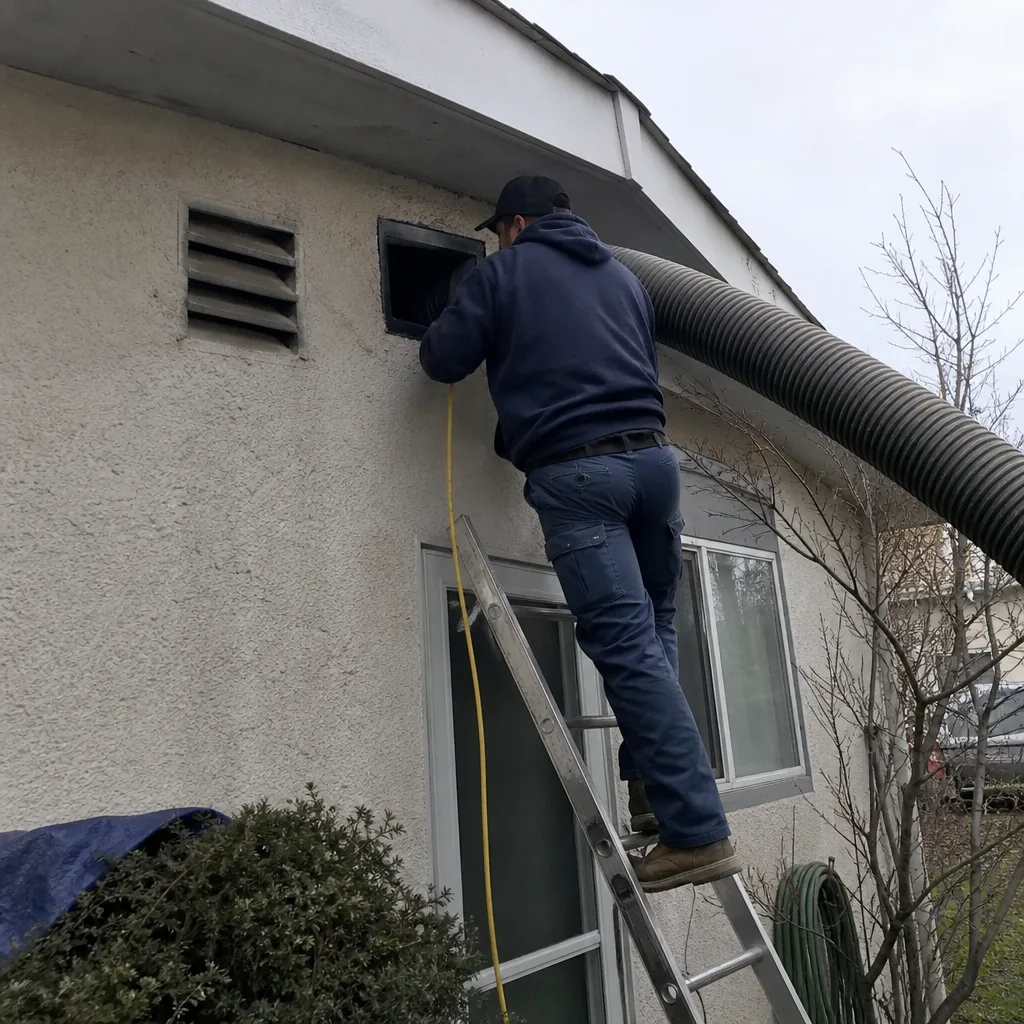 Before
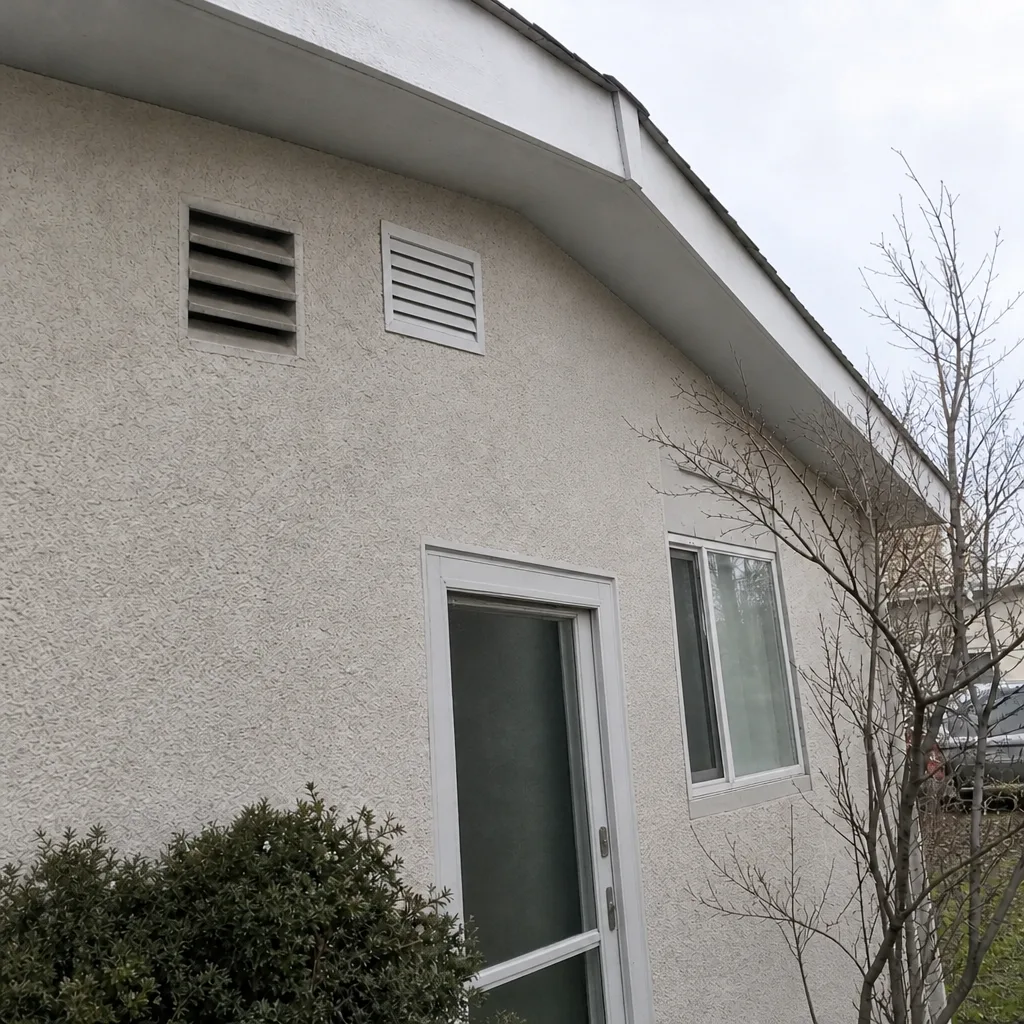 After
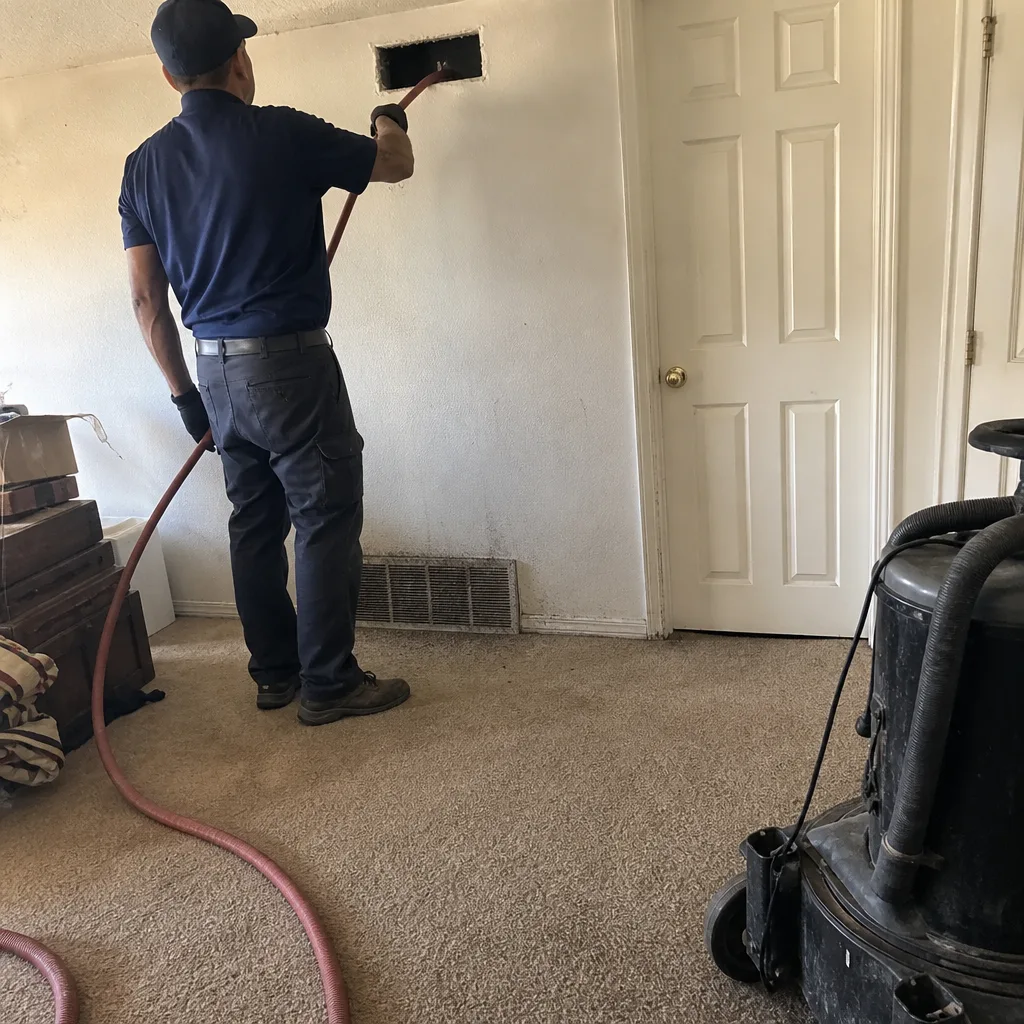 Before
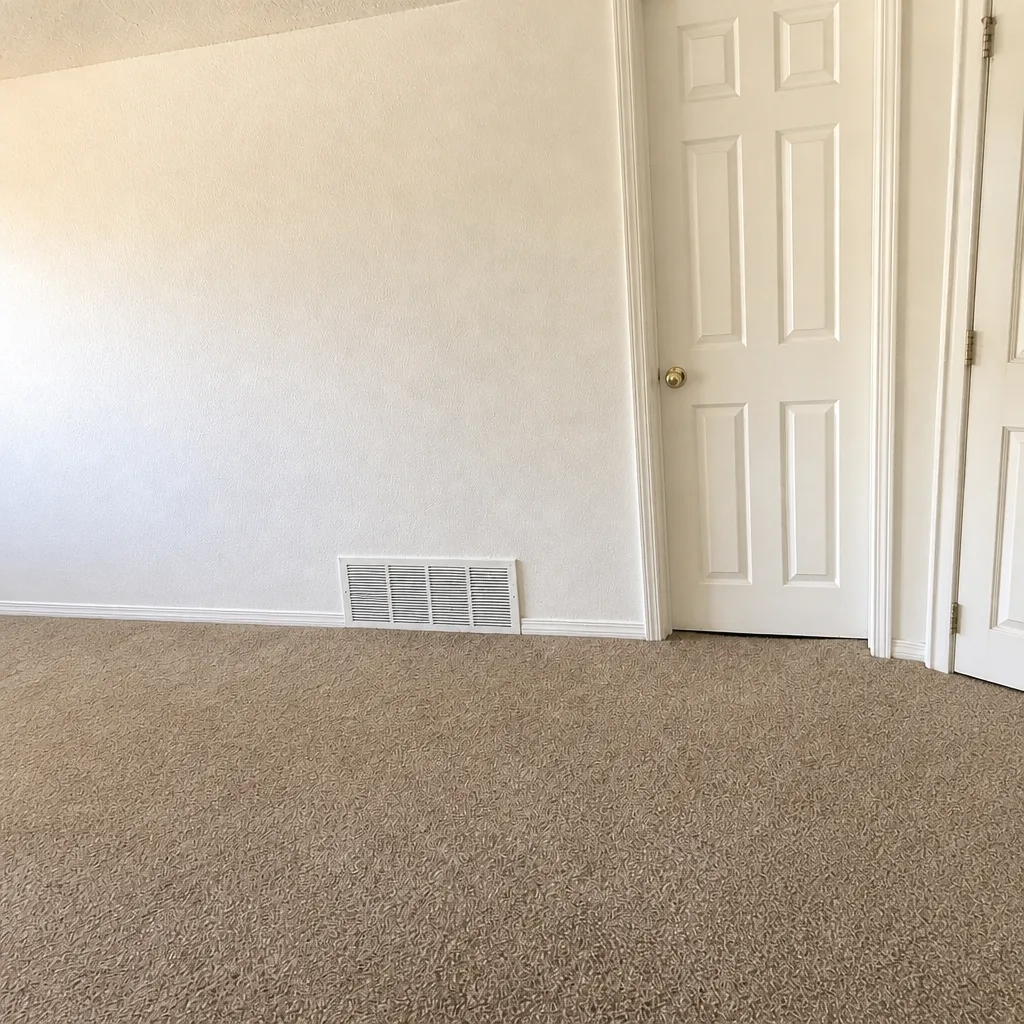 After
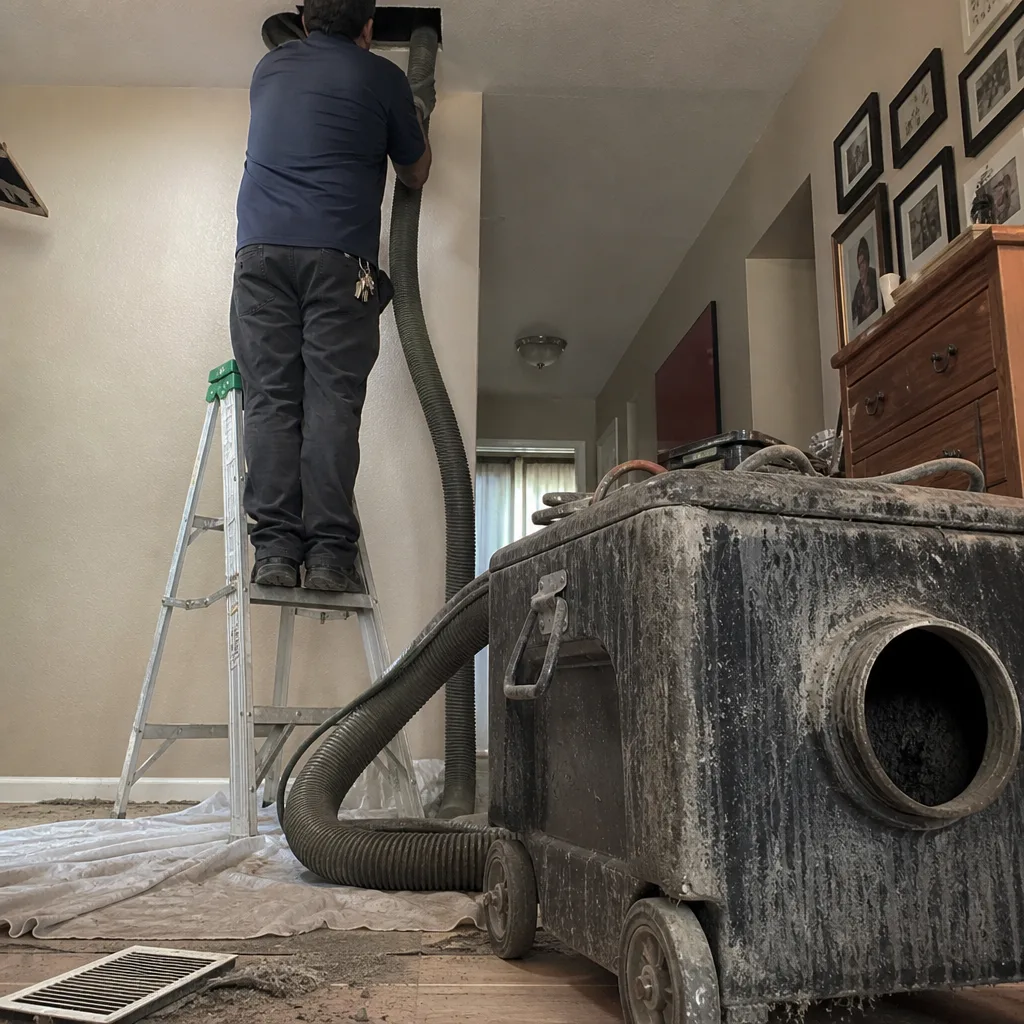 Before
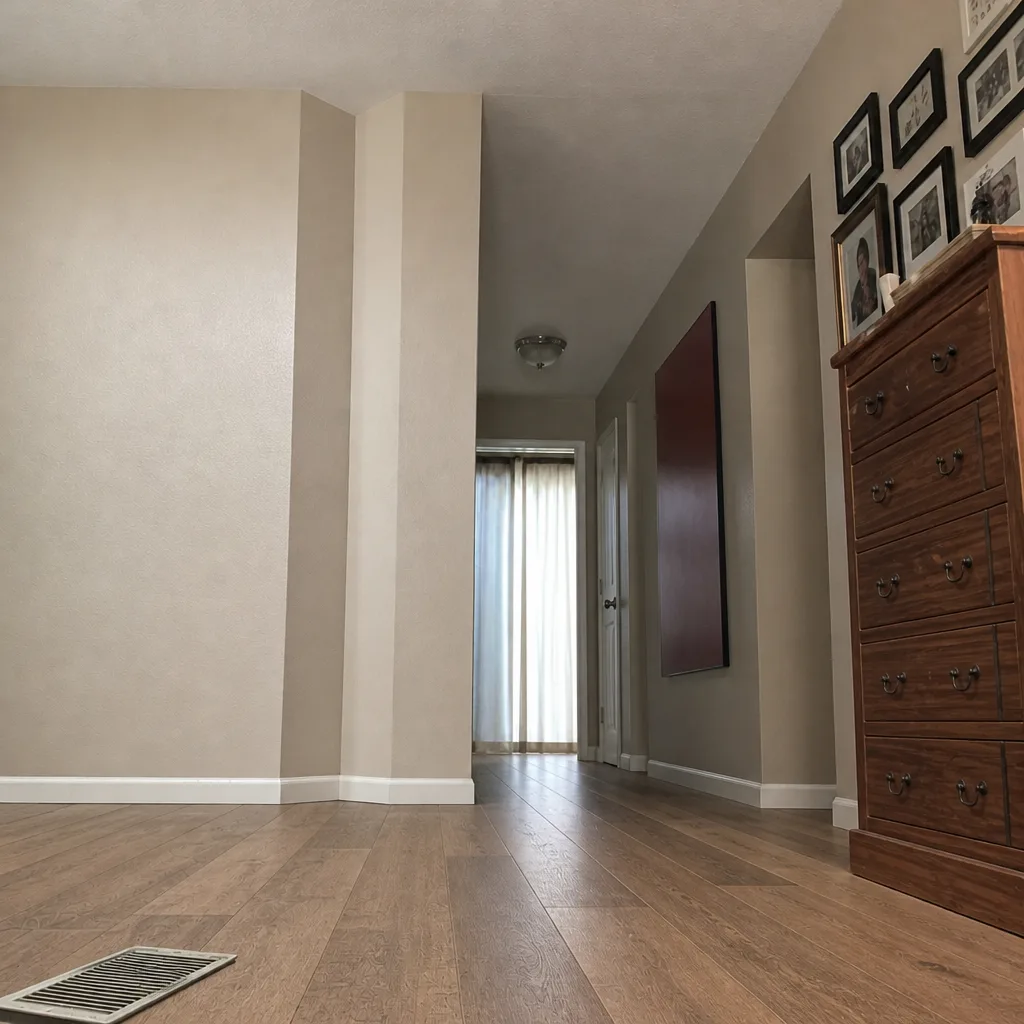 After
When to Call a Professional
If your duct question starts with “do I need a permit,” you’ve already reached the point where professional judgment matters. Call a licensed contractor when: a cleaning reveals disconnected or collapsed ductwork, you see mold on the duct liner or blower assembly, your system has Honeywell or Aprilaire components that need to be worked around without voiding warranties, a home inspector flagged duct issues during escrow, or you’re planning to sell and need defensible documentation. Duct Cleaning Gilroy offers free estimates in Gilroy. Call (833) 589-9833. We answer 24/7. Fast dispatch from 7am to 7pm, Sunday through Friday.
Frequently Asked Questions
No. Air duct cleaning is classified as maintenance, not construction, so no permit is required from the City of Gilroy Building Division for cleaning alone. The permit requirement arises only if the cleaning leads to duct repair, replacement, or modification. If your cleaning quote includes those repairs, ask whether a permit is part of the scope. Call (833) 589-9833 if you want a straightforward answer on your specific situation.
A mechanical permit is generally required when ductwork is modified, replaced, or sealed beyond a minor repair. In Gilroy, that means adding new runs, relocating registers, replacing a collapsed section, or re-sealing extensive leakage all likely require a permit under Title 24. A small patch or minor joint seal may not. The Building Division can confirm if your specific repair needs a permit.
NADCA ACR-2021 is the Assessment, Cleaning, and Restoration standard published by the National Air Duct Cleaners Association. It is not a law, but it’s the professional benchmark for source-removal cleaning, meaning debris is physically removed from the system rather than blown toward another register. We clean to ACR-2021 standards using Rotobrush contact-cleaning and Nikro HEPA vacuum equipment.
If mold is discovered during a cleaning, the contractor has a professional obligation to document it and explain the extent to you. Mold remediation that requires removing contaminated materials is a different scope than cleaning and may involve separate permits and contractors. We document what we find, use Abatement Technologies equipment where containment matters, and recommend next steps honestly rather than cleaning over the problem.
California’s Transfer Disclosure Statement asks sellers to disclose known material facts. Significant mold remediation inside ductwork or major unpermitted duct modifications would generally qualify as material. A routine cleaning with no findings would not. Keeping the scope report, permit record, and photos protects you if questions come up during escrow.
Ask for before-and-after photos from the camera inspection, a scope-of-work report that references NADCA ACR-2021 methodology, and any permit and final inspection sign-off if repairs were made. A professional job gives you documentation without you having to ask. If the contractor can’t show what they found and what they changed, the work is hard to defend later. Call (833) 589-9833 for an exact quote. Estimates are free.
The Bottom Line
Duct cleaning in Gilroy is a permit-free maintenance task, but the conditions it uncovers can quickly move it into regulated territory. The smart approach is simple: clean as maintenance, permit as modification, document everything, and know the moment a job changes from one category to the other. Title 24 governs modifications you make after the cleaning. CDPH guidance shapes your obligation if mold appears. NADCA ACR-2021 sets the quality standard that protects you in insurance and real estate situations. When in doubt, call the City of Gilroy Building Division or a contractor who will give you a straight answer. The permit question is never the hard part. Knowing when to ask it is what matters.
Written by the team at Duct Cleaning Gilroy, serving Gilroy since 2011.