
Last updated November 4, 2026
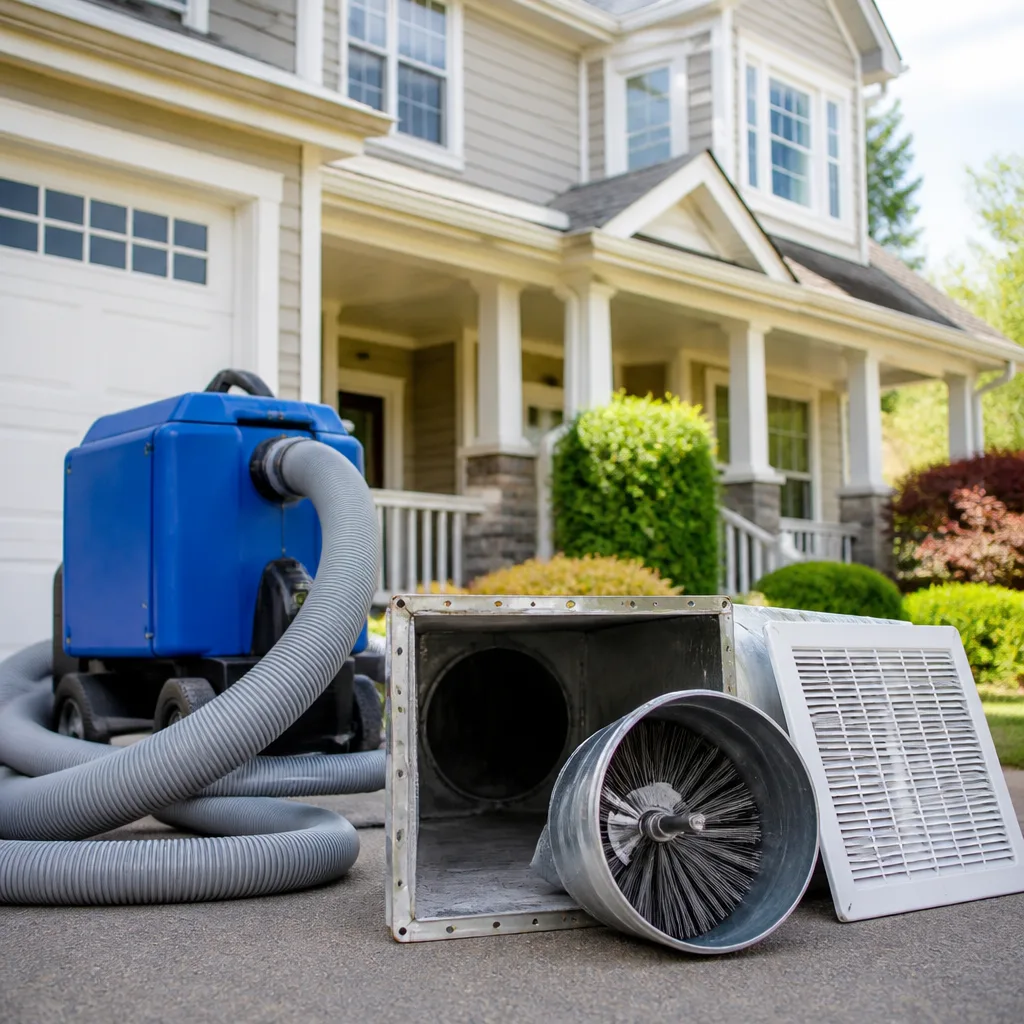 Whole-home duct cleaning
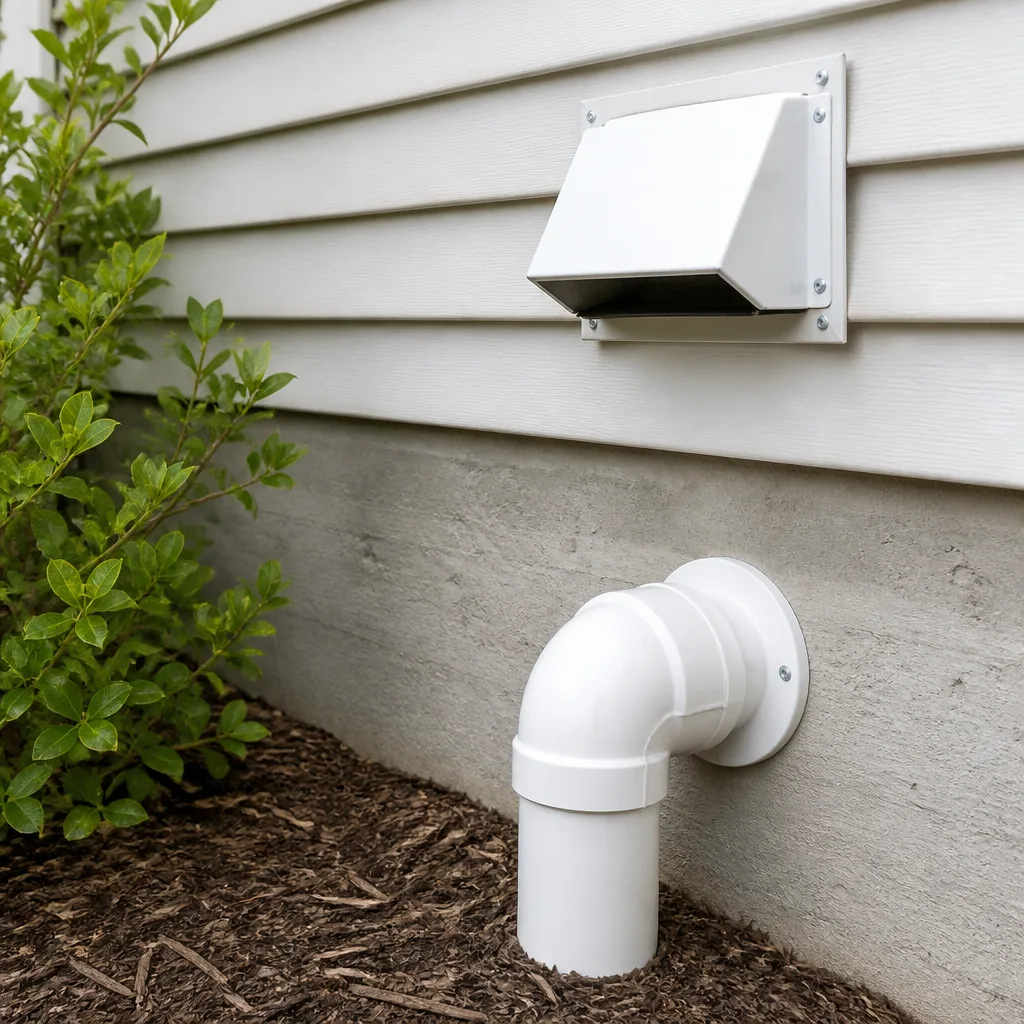 Dryer vent cleaning
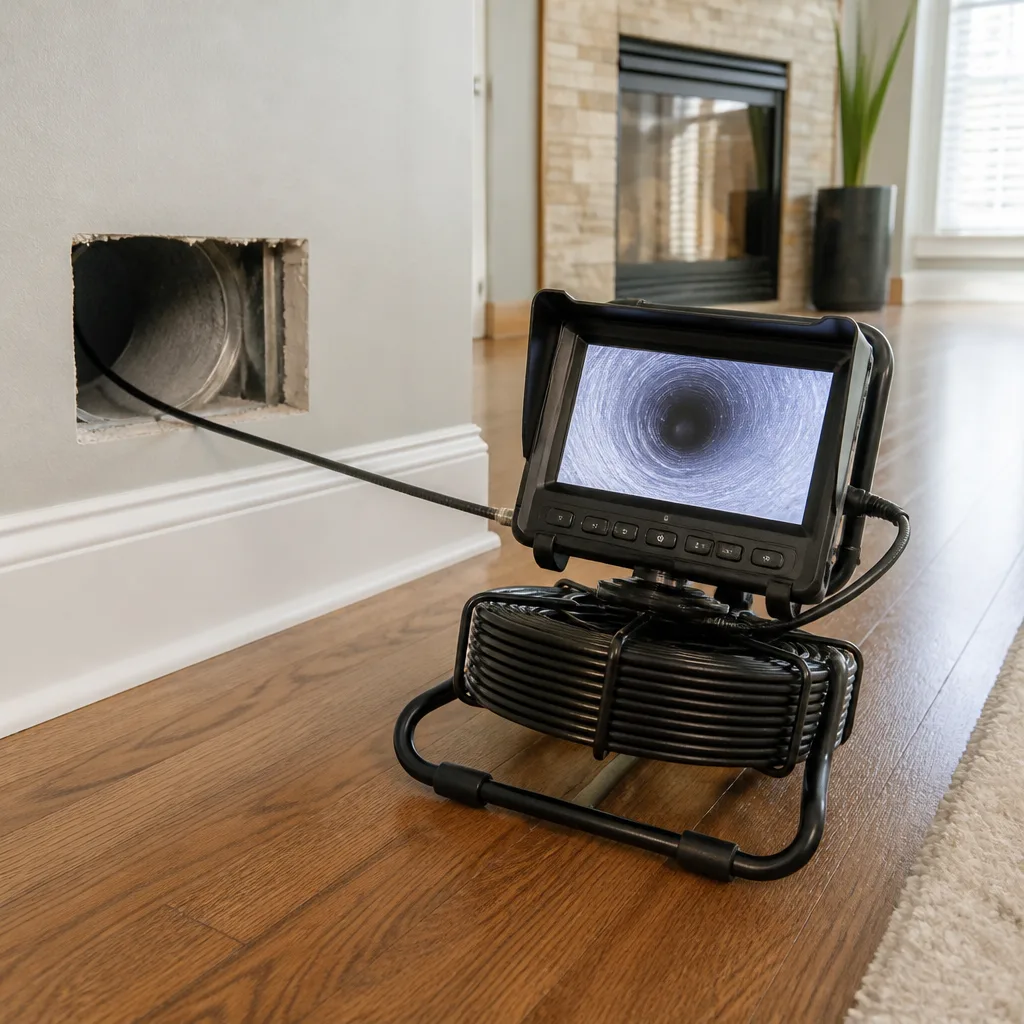 Camera inspection
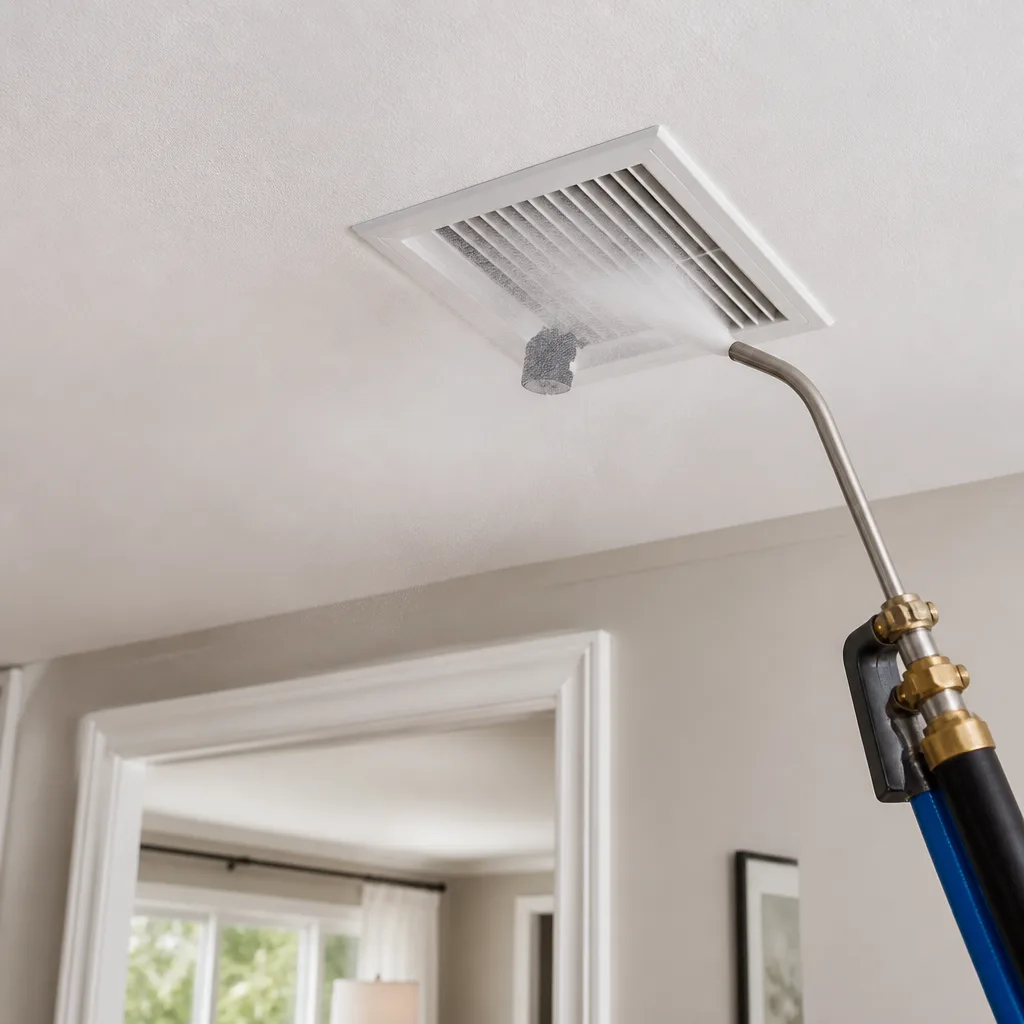 Sanitizing & deodorizing
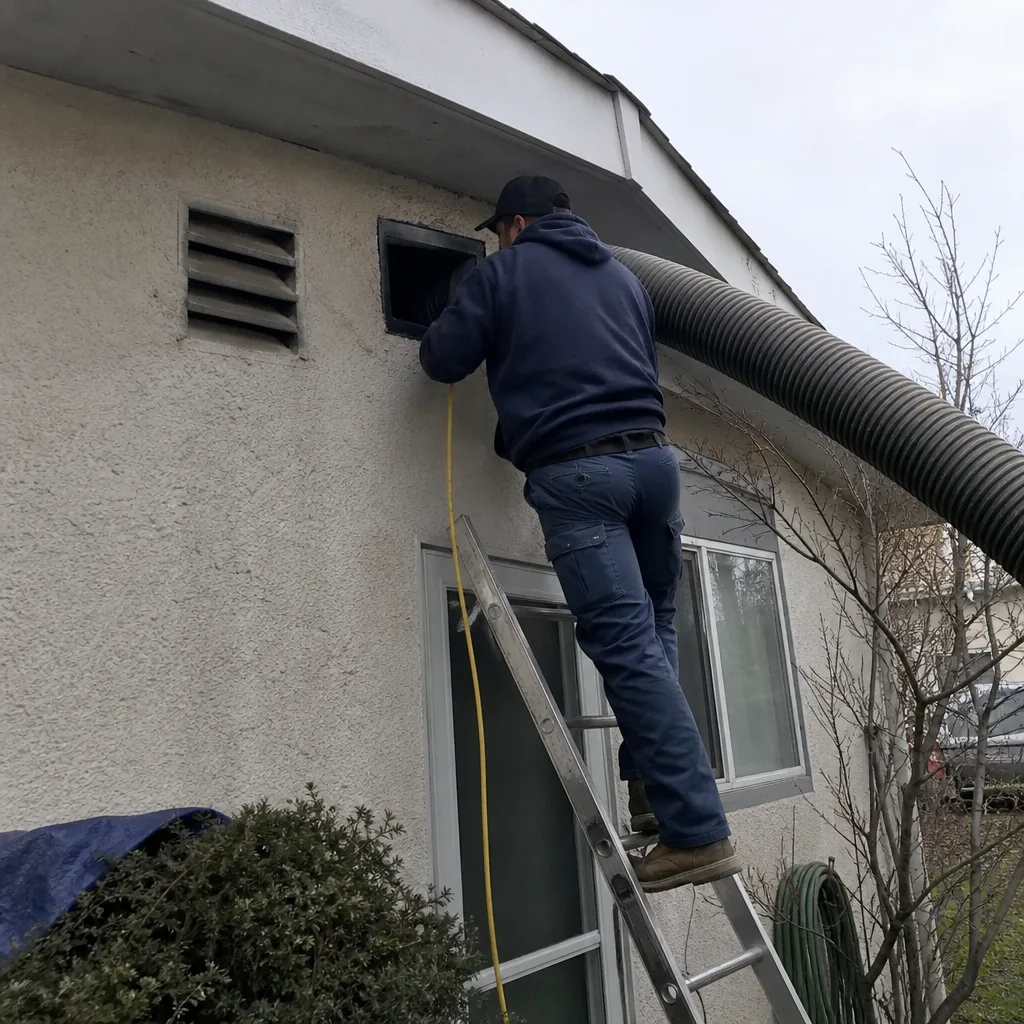
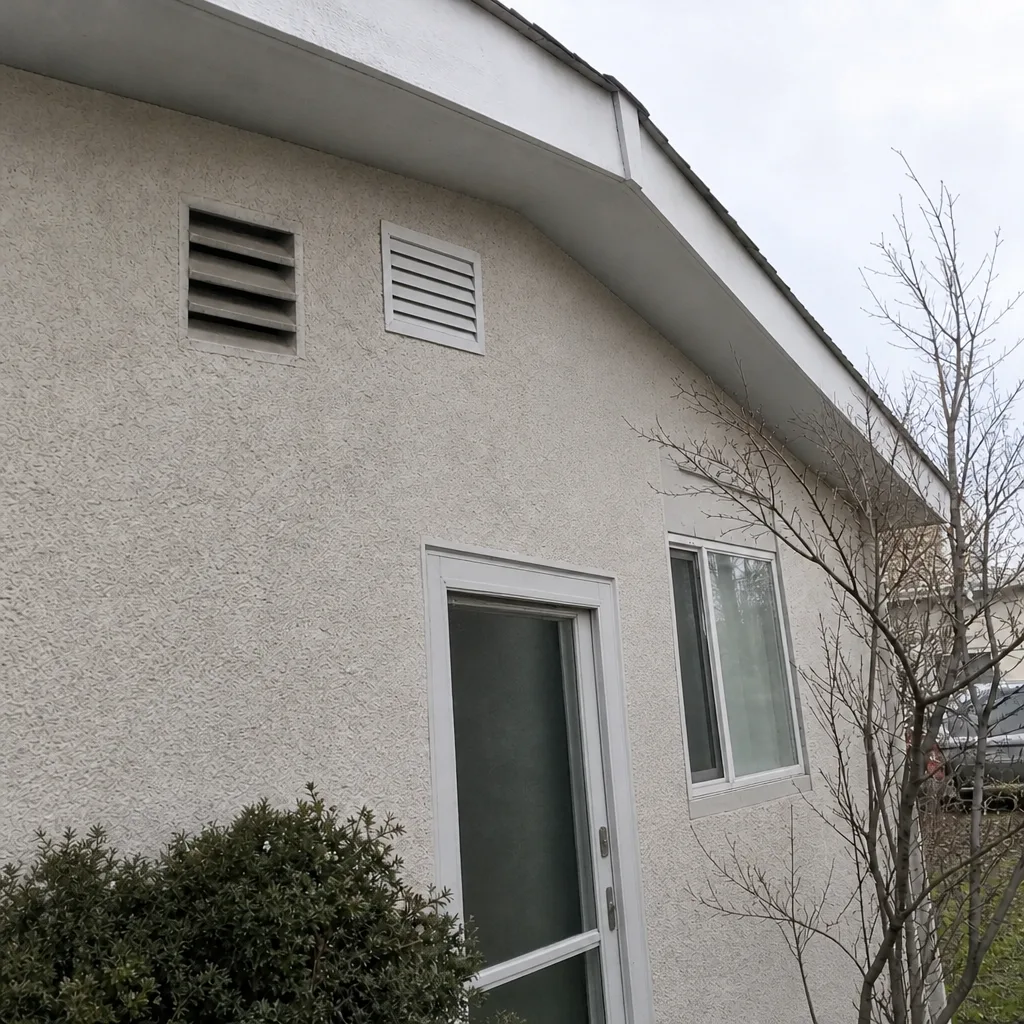
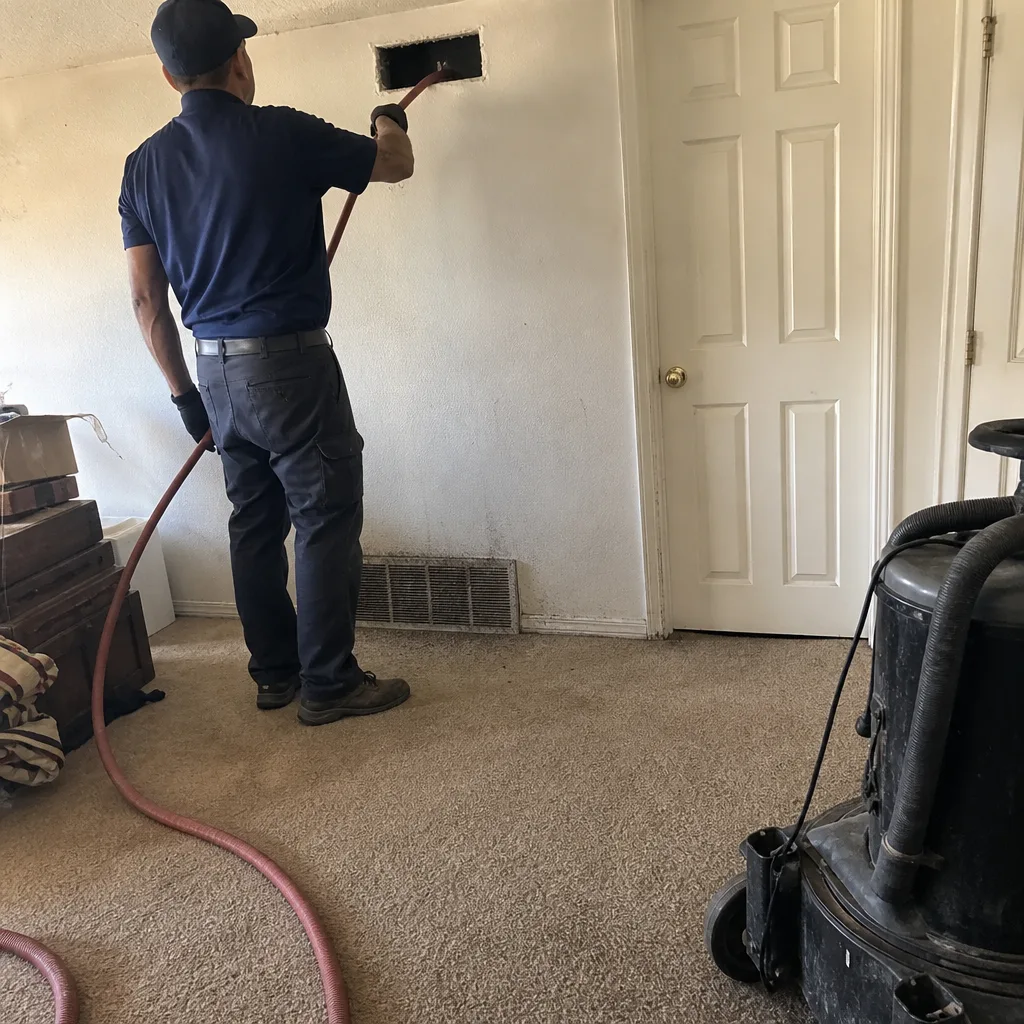
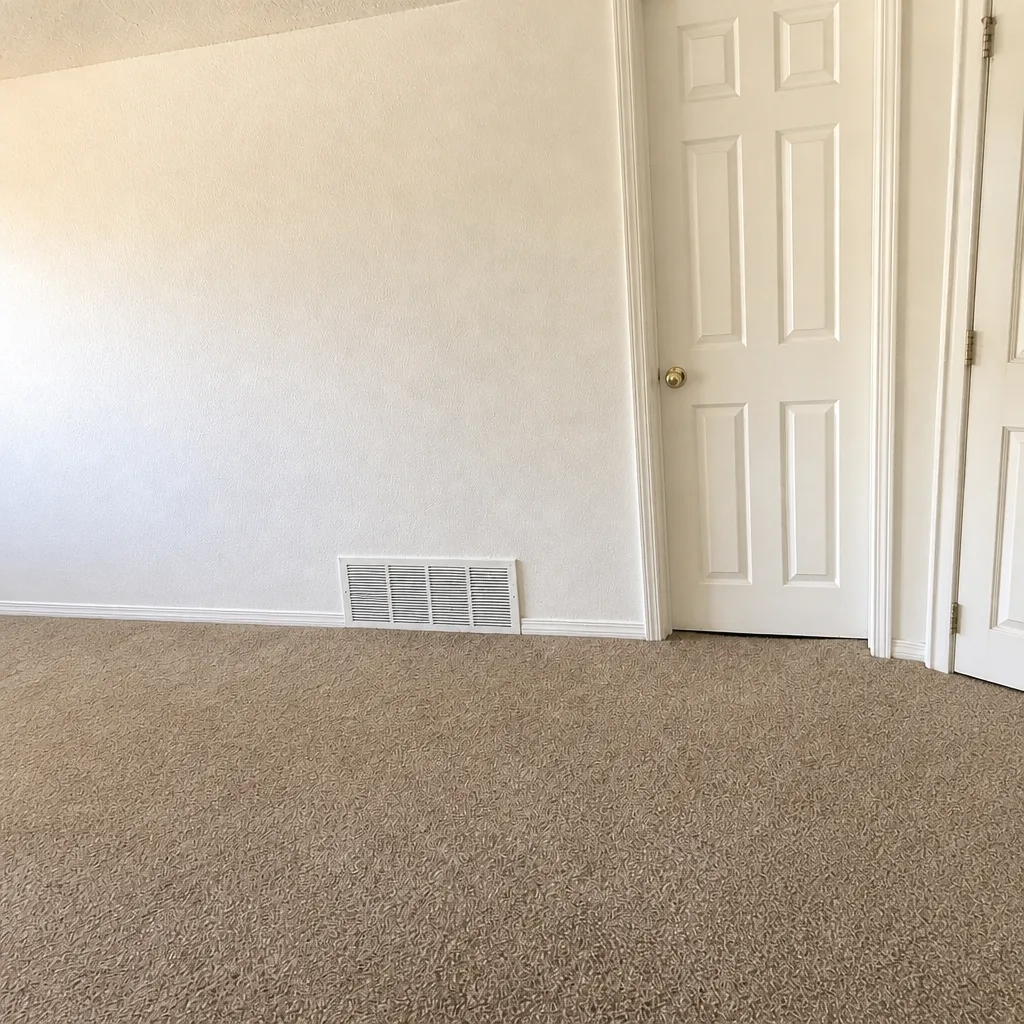
Whole-system duct and dryer vent check with before-and-after photos - you see exactly what came out of your vents
That "$99 whole-house special" is a bait ad - the real number appears once they are in your hallway, or the "clean" is a shop-vac at the register. We photograph the inside of your ducts before and after instead.
Air Duct Cleaning Emergency Preparedness Guide for Gilroy Homes
Most Gilroy homeowners think of duct cleaning as routine maintenance, something you schedule when the seasons change. That assumption falls apart the moment wildfire smoke settles into the valley for three days straight, or a rat dies inside a crawlspace duct run, or a bathroom remodel sends drywall dust through the return system. In those moments, your ductwork stops being a passive part of the house and becomes a contamination pathway. What you do in the first hour after one of these events, before you pick up the phone, determines whether you need a simple cleaning or a far more involved repair and containment job. This guide walks through four specific emergency scenarios that affect Gilroy homes and gives you a decision sequence for each.
Quick Answer
For a duct emergency in Gilroy, shut the HVAC system down immediately, upgrade to the highest-MERV filter your system can handle, and document conditions with photos before disturbing anything. Wildfire smoke, water intrusion, rodent activity, and renovation dust each require a different response sequence rather than one generic cleaning appointment. If contamination has reached the duct lining or insulation, or if rodents have nested inside the system, cleaning alone is not sufficient and replacement or containment-level work may be required.
Styles & brands we work with
- Whole-home duct cleaning
- Dryer vent cleaning
- Camera inspection
- Sanitizing & deodorizing
Table of Contents
- Wildfire Smoke Event Protocol
- Water Intrusion and Flood Response for Duct Systems
- Rodent Intrusion in Ductwork
- Post-Renovation Dust Events
- What to Document Before an Emergency
- Common Mistakes to Avoid
- When to Call a Professional
- Frequently Asked Questions
Wildfire Smoke Event Protocol
When wildfire smoke rolls through Gilroy for 72 hours and your HVAC has been running on recirculation, your duct system has been acting as a smoke collector. Even with a decent filter at the return, fine particulate and volatile organic compounds work their way past standard filtration and settle on duct walls, especially on the return side where air moves slower. The sequence of what you do next matters more than most people realize.
Hour one: shut it down. Turn the system off at the thermostat. Do not run the fan in “on” mode thinking you can filter the air faster. You cannot. Running the blower during an active smoke event only circulates contaminated air through the entire duct network and forces particulate deeper into the system. Wait for the smoke to clear outdoors before any evaluation happens.
Upgrade the filter before restart. If you have a 1-inch filter slot, install the highest MERV rating your system can handle. Most residential blowers will accept MERV 11 or MERV 13 in a 1-inch pleated format without excessive static pressure drop. Honeywell makes several MERV 13 options that fit standard 1-inch slots. If your filter is a 4-inch or 5-inch media cabinet, a MERV 13 or higher Aprilaire media filter is the right move. The goal is to capture what is already in circulation before the system runs again.
Check dampers and registers. Walk the house and confirm every supply register is open and unobstructed. Confirm the outside air damper, if your system has one, is closed. During a smoke event, any outside air intake is pulling contaminated air directly into the return plenum. If you cannot find or identify an outside air intake, leave the system off until a technician can inspect it.
Hold for 24 hours after the sky clears. Do not rush to restart the system the moment the AQI drops. Give the house 24 hours with windows closed to let airborne particulate settle. Then check the filter condition. If the filter is dark brown or black after a single smoke event, that particulate has already traveled through your return ducts and is coating the inside of the system. A filter that loaded after one event is a strong indicator that duct cleaning is warranted, not optional.
Assessing whether cleaning is enough. Not every smoke event requires duct cleaning. If the filter caught most of the particulate and the system ran minimally during the event, you may only need a filter change and a few days of system operation to clear residual odor. But if the system ran on recirculation for days, if the filter was not changed during the event, or if you smell smoke when the blower starts, the contamination reached the duct walls. Smoke smell that persists after filter replacement means particulate is embedded in the duct lining or insulation. A visual inspection with a camera tells you whether the system needs contact cleaning. In severe cases where smoke penetrated fibrous duct liner, the liner may need replacement, not cleaning.
Water Intrusion and Flood Response for Duct Systems
Water in ductwork is a different animal than smoke. The relevant window is seven times longer than most people assume, but it starts with a very short clock: mold colonization on wet organic material begins within 24 to 48 hours. That applies to the interior of fiberglass duct board, flex duct insulation, and the accumulated dust inside metal ducts. The dust itself, which is mostly skin cells and fabric fibers, is a food source. Add water and you have a biological event waiting to happen.
Identify the source before you touch anything. Water in ducts comes from a few predictable places in Gilroy homes. A failed condensate line from an attic air handler. A roof leak that found its way into an attic return plenum. A pan overflowing under a second-floor unit. A plumbing failure above a crawlspace that soaked flex duct runs. And, in older south Gilroy neighborhoods with raised foundations, groundwater intrusion after prolonged heavy rain can saturate crawlspaces and wick into insulated flex duct.
How to identify wet flex duct in a crawlspace. If you can safely access the crawlspace, look for flex duct that is sagging between supports. Wet insulation makes flex duct noticeably heavier, so it droops more than dry runs. The outer vapor barrier will feel damp or show condensation. In severe cases, you will see water pooling where the duct dips. Do not attempt to squeeze or move wet duct, that compresses the insulation and spreads contamination. Mark the location, photograph it, and keep the system off.
When cleaning is not enough. Metal duct can usually be dried, cleaned, and treated. Flex duct and duct board cannot. Once the fiberglass insulation inside flex duct gets wet, it will not dry properly inside the vapor barrier. The insulation stays damp for weeks in a crawlspace, and mold grows inside where you cannot see it. Wet flex duct gets replaced, not cleaned. Wet duct board, which is a fiberglass product with a foil face, also gets replaced. Wet interior insulation inside a metal return path should also be considered for replacement. If water sat in any part of the system for more than 48 hours, assume microbial growth and treat the affected sections as contaminated.
The response sequence.
- Shut the system off and do not restart it until the water source is stopped and the affected area is assessed.
- Photograph all visible damage, including the source, the wet area, and any pooling.
- If the water source is a plumbing or roof leak, stop the water first. That may mean shutting a valve, tarping a penetration, or calling a plumber or roofer before duct work begins.
- If wet flex duct is present, plan on replacement of those runs. Ask the cleaning company whether they perform air duct repair in addition to cleaning. Duct Cleaning Gilroy does, which means one trip instead of two.
- After replacement, the remaining dry portions of the system should be cleaned and treated. This removes any dust that absorbed humidity and prevents odor from developing in the metal runs.
If you have water in your ducts, do not let a generalist convince you that cleaning will fix it. Wet insulation cannot be cleaned back to a safe condition.
Rodent Intrusion in Ductwork
Rodents in ductwork are a reality in rural-adjacent Gilroy homes, especially in the eastern hills and properties near agricultural edges. Mice and rats follow warmth and find their way into crawlspaces, then chew through flex duct or slip into gaps at register boots. Once inside, they nest, urinate, leave droppings, and eventually die. The result is a biohazard, not just an odor problem.
How to identify rodent debris versus other contamination. Rodent activity leaves a specific signature. You will see droppings, which are small, dark, and tapered, typically clustered near nesting sites. You may see nesting material: shredded insulation, paper, fabric, or plant matter. You may hear scratching or movement sounds when the blower is off. And you will smell an ammonia-like odor from urine or a decomposing carcass. This is not the same as general dust accumulation. Dust is uniform. Rodent debris is localized, concentrated, and biologically active.
What professional remediation involves beyond cleaning. A rodent intrusion response is a containment job, not a routine cleaning. The sequence matters:
- Exclusion first. The rodent entry point must be found and sealed. If rodents are still getting in, cleaning is wasted. In our experience, the most common entry points in Gilroy homes are failed crawlspace vents, gaps at the base of exterior walls, and unsealed penetrations where refrigerant lines enter the house.
- Containment during cleaning. This is where equipment matters. A portable shop vac with a brush attachment will aerosolize rodent waste and spread it through the house. Proper remediation uses negative-air containment so that dislodged debris is captured before it leaves the duct. Our Abatement Technologies filtration units pull the workspace negative so particulate flows toward the capture point, not into living spaces. A Nikro HEPA-rated vacuum runs continuously to capture what the Rotobrush contact-cleaning system removes.
- Removal of contaminated insulation. Flex duct that has been nested in gets replaced. Fiberglass insulation contaminated with urine or droppings also gets replaced. Cleaning will not restore it.
- Sanitization. After cleaning, the accessible metal duct surfaces are treated with a sanitizing product. The brand we use in our process is Guardsman, which is designed for this application and leaves a protective finish rather than just a wet surface that dries.
- Final verification. After the job, a camera inspection confirms the system is clean and the exclusion work is holding.
Cal/OSHA context. Rodent waste in confined spaces falls under biological hazard rules when workers are doing the cleanup. A professional company working in crawlspaces or ducts with rodent contamination should be following appropriate respiratory protection and containment practices. You do not need to know the specific regulations to ask the right question: “What is your containment setup for rodent waste?” If the answer is a vague mention of a vacuum, keep looking.
Post-Renovation Dust Events
A remodel in one room can contaminate the entire duct system in hours. Drywall dust is fine enough to stay airborne for days and pass through most standard filters. Plaster dust is heavier but more abrasive. Either way, once it enters the return system during a renovation, it coats the blower wheel, the evaporator coil, and the interior of every supply run. The correct response is a sequence, and the order matters.
The mistake most people make. The most common error after renovation dust enters a system is restarting the HVAC before the dust is cleaned. Running the blower pushes dust through the coil and into every room, and it drives fine particulate deep into the ducting where it packs into the seams and corners. If the system was running during drywall sanding, you already have a full-system contamination event.
Correct sequence before HVAC restart.
- Turn the system off. Do not run the fan in “on” mode to air out the house.
- Cover all supply registers and the return grille with plastic sheeting to prevent further dust entry or spread.
- Clean the construction area before anything else. Remove visible dust with a HEPA-filtered vacuum designed for fine particulate. A standard shop vac will blow drywall dust back into the air.
- Inspect the return grille and filter. If the filter is caked with dust, the dust has already moved past it into the ductwork and blower cabinet.
- Have the system inspected and cleaned before restart. This means opening access panels, cleaning the blower wheel and housing, cleaning the coil if dust reached it, and cleaning the supply and return runs. A contact-based system like Rotobrush physically scrubs the duct walls rather than just moving air through. Our Nikro HEPA vacuum runs the entire time so what we loosen does not re-enter your living space.
- Change the filter to a fresh one after cleaning, then run the system on fan-only for 20 minutes to confirm air is moving cleanly.
When the coil is involved. Drywall dust that reaches the evaporator coil sticks to the wet surface and bakes on. A loaded coil restricts airflow, reduces system efficiency, and shortens equipment life. Coil cleaning is a separate task from duct cleaning and requires access to the air handler. If your renovation dust event involved days of drywall sanding with the system running, plan for coil cleaning as part of the response.
What to Document Before an Emergency
The single most useful thing a Gilroy homeowner can do for their duct system is document its condition before something goes wrong. Emergency response always starts from a known condition. Without a baseline, you are guessing whether that stain was there last year or appeared after the flood. Here is what matters:
- Baseline duct photos. If you ever have the system inspected, ask for camera footage or still images of the interior. Keep them. A video of clean ducts from 2024 becomes evidence in 2026 when a water event raises questions about pre-existing mold.
- System layout. Know where your duct runs go. Which registers are on which trunk line. Where the return drop is. Where the air handler sits. If you have a crawlspace, note where the ducting runs and where the low points are. A simple hand sketch stored with your home documents is enough.
- Filter records. Write down what filters you use, when you changed them, and any upgrades. If you moved to a Honeywell MERV 13 media filter after a smoke event in 2024, that is relevant history. It tells a technician what the system has been through.
- Prior cleaning or repair records. If you have had air duct cleaning performed, keep the receipt, the scope of work, and any before-and-after photos. The same goes for air duct repair work. A history of repairs tells a responder where weak points are.
- Insurance documentation. If your home has ever had a water claim, a fire claim, or a mold claim, keep those records with your duct documentation. Insurance adjusters will want to see that the current event is separate from prior damage. Good records speed that conversation up considerably.
You do not need a professional binder. A folder in your phone with photos, a note with filter dates, and a simple sketch of the layout covers 90 percent of what a technician needs in an emergency. The key is having it before you need it.
Common Mistakes to Avoid
- Restarting the HVAC immediately after a wildfire smoke event without changing the filter. A loaded filter pushes particulate back into the system and spreads contamination further. Wait, upgrade the filter, then evaluate.
- Running the fan in “on” mode during a smoke event to filter the air. This circulates smoke through the entire duct system and forces particulate deeper into the runs. Turn it off.
- Assuming wet flex duct can be dried and cleaned. Fiberglass insulation inside flex duct will not dry properly once wet, and mold grows inside the vapor barrier where you cannot see it. Wet flex gets replaced.
- Treating rodent contamination as a simple odor problem. Rodent urine, droppings, and carcasses are biohazards. Cleaning without containment spreads the hazard through the house. Demand negative-pressure containment.
- Running the HVAC during a renovation to air out the house. Drywall dust enters the return, coats the blower and coil, and packs into duct seams. Turn it off and cover the registers before work starts.
- Using a cheap duct cleaning coupon service after a real contamination event. Discount services often lack the equipment for containment-level work. If your ducts have smoke residue, water damage, or rodent waste, the job requires HEPA capture and negative air. Get the equipment question answered before the appointment.
- Throwing away receipts and before-and-after photos from prior duct work. Your documentation is the only baseline you have. Without it, every emergency starts from a guess.
When to Call a Professional
Call a professional when the contamination event is more than surface-level dust. If you see water in ductwork. If you smell rodent urine or decomposition from the vents. If smoke odor persists after the outdoor air has cleared and you have changed the filter. If drywall dust reached the return system during a remodel and the blower or coil needs cleaning. These are not DIY situations, and they are not routine maintenance calls.
Duct Cleaning Gilroy offers free estimates in Gilroy. Call (833) 589-9833. We answer 24/7. Fast dispatch from 7am to 7pm, Sunday through Friday. When you call, describe what triggered the concern: smoke, water, rodents, or renovation dust. That tells us which equipment to bring and whether the job needs containment.
Frequently Asked Questions
You will know by checking the filter after the event. If the filter is dark brown or black after a smoke event, the particulate traveled through your return ducts and into the system. A persistent smoke smell when the blower starts is another strong signal. In Gilroy, where smoke can settle over the valley for days, the system running on recirculation during that window is the main driver.
Mold colonization on wet organic material begins within 24 to 48 hours. Wet flex duct insulation and duct board are the highest-risk materials because they hold water and provide a food source. Metal duct with accumulated dust is also at risk. The clock starts when the water enters, not when you discover it.
It depends on what the rodents contaminated. Metal duct can typically be cleaned and sanitized. Flex duct that has been nested in gets replaced because the insulation cannot be effectively cleaned. Fiberglass duct board with urine or droppings also gets replaced. The exclusion work, sealing the entry point, must happen before or during the cleaning or the problem returns.
The difference is equipment and process. A discount service may use a portable vacuum and a rotating brush that fits in a drill, which does not capture fine particulate and can aerosolize debris into the living space. A professional setup uses contact-based cleaning with continuous HEPA capture and, for contamination events, negative-air containment. We use Rotobrush contact-cleaning with Nikro HEPA vacuum equipment running the entire time, and we carry Abatement Technologies filtration units for containment-level work. Cheap is cheap for a reason.
No. Running the fan during a smoke event circulates contaminated air through the duct system and forces particulate deeper. Turn the system off, keep windows closed, and wait for the outdoor air to clear before evaluating. Then upgrade the filter before restart.
Yes. Dryer vent cleaning is a separate service from air duct cleaning, but they can be scheduled together. Dryer vent blockage is a fire hazard. We clear it, measure airflow, and confirm the vent exhausts properly before we leave. In Gilroy homes, where many dryers vent through long runs to the exterior, this is one of the most common fire-risk items we see. Call (833) 589-9833 for an exact quote. Estimates are free.
The Bottom Line
Emergency duct situations in Gilroy fall into four predictable categories: wildfire smoke, water intrusion, rodent contamination, and renovation dust. Each has its own response sequence, and skipping steps makes the problem worse. The through-line for all four is the same: shut the system down, document what you see, and choose a company that can handle containment, cleaning, and repair in one visit. Cheap duct cleaning has its place for routine maintenance. An emergency is not that place. Keep your baseline records, know your system layout, and when the event happens, call someone who can explain what they found and show their work.
Written by the team at Duct Cleaning Gilroy, serving Gilroy since 2011.
See the difference
 Before
 After
 Before
 After
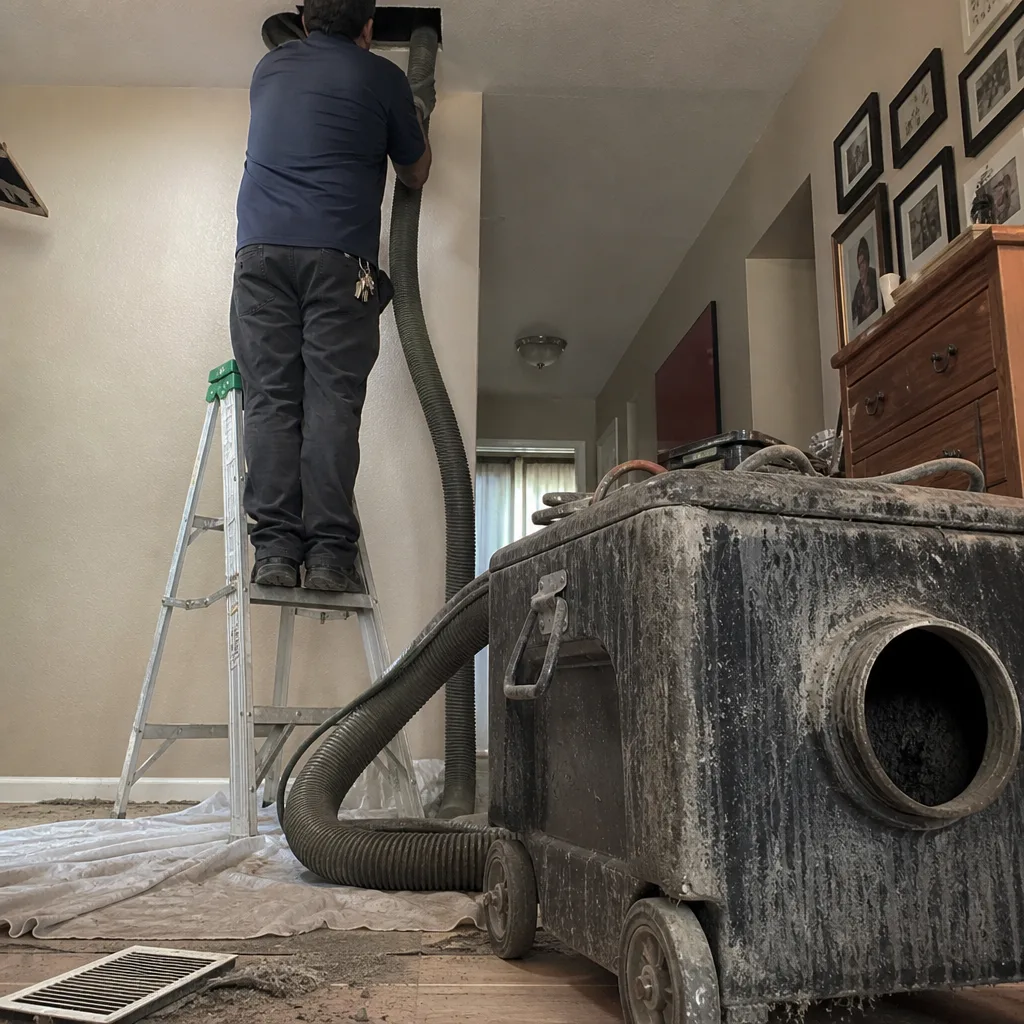 Before
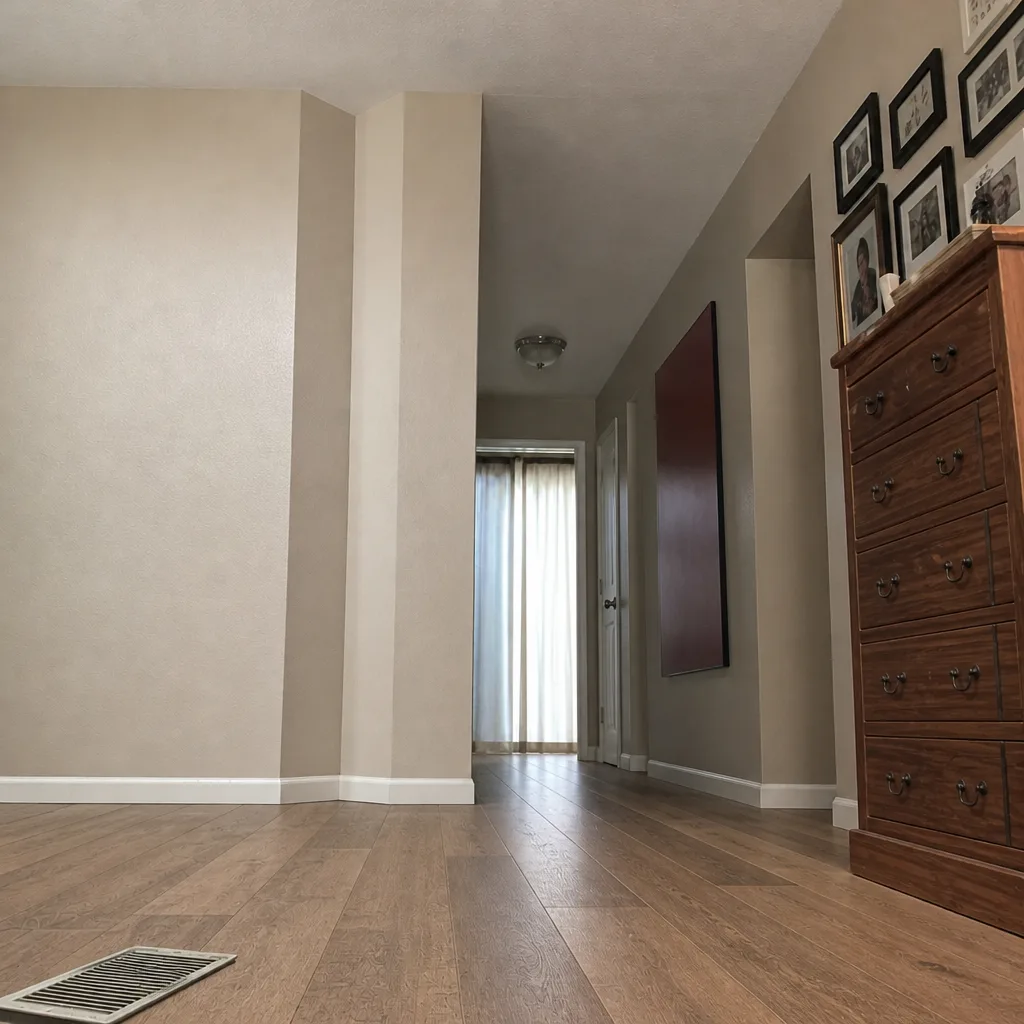 After