
Last updated November 4, 2026
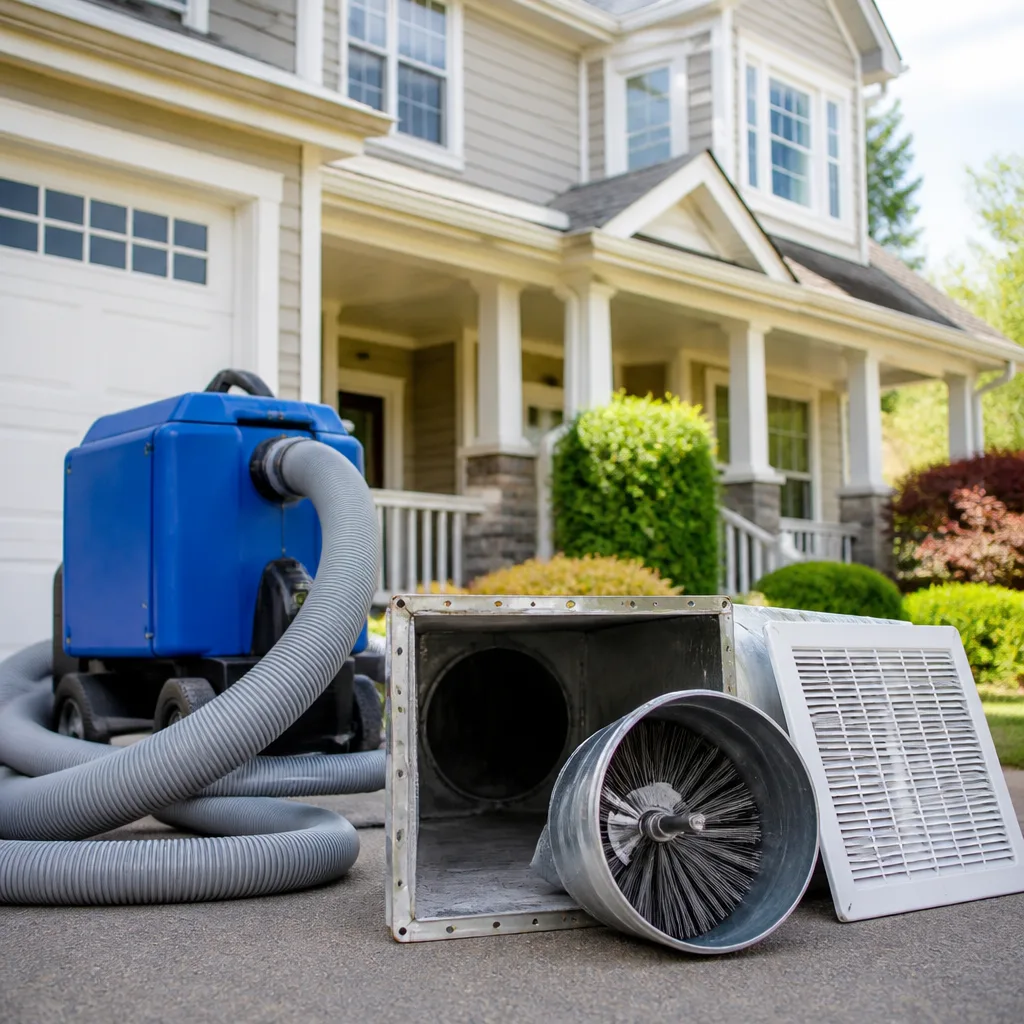 Whole-home duct cleaning
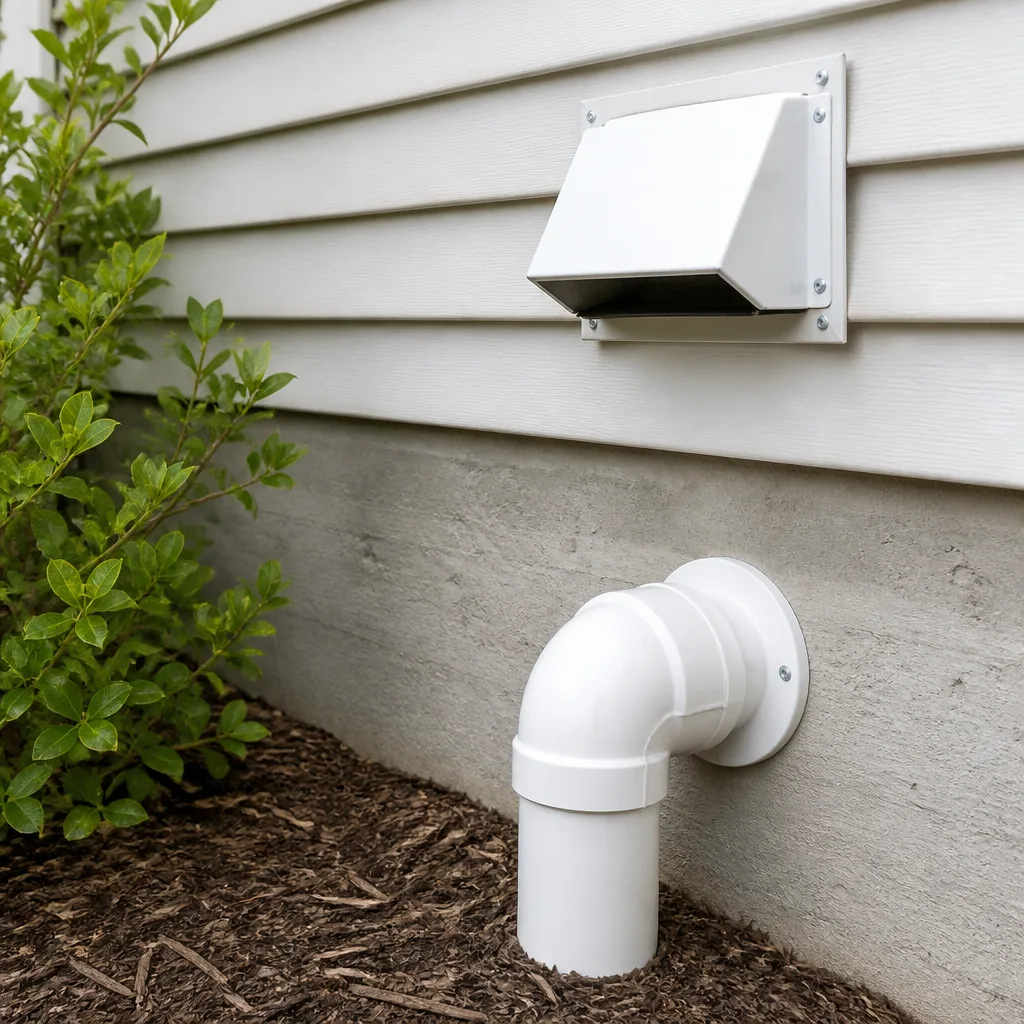 Dryer vent cleaning
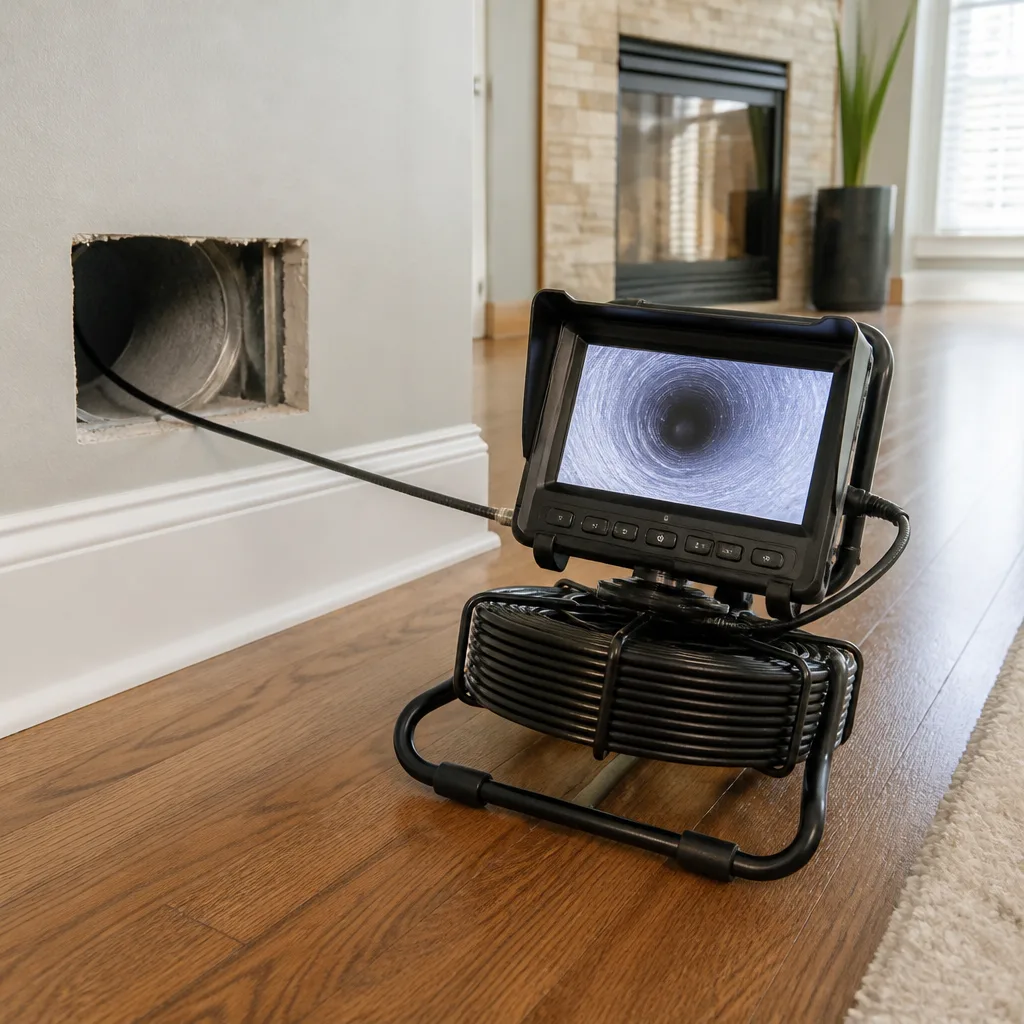 Camera inspection
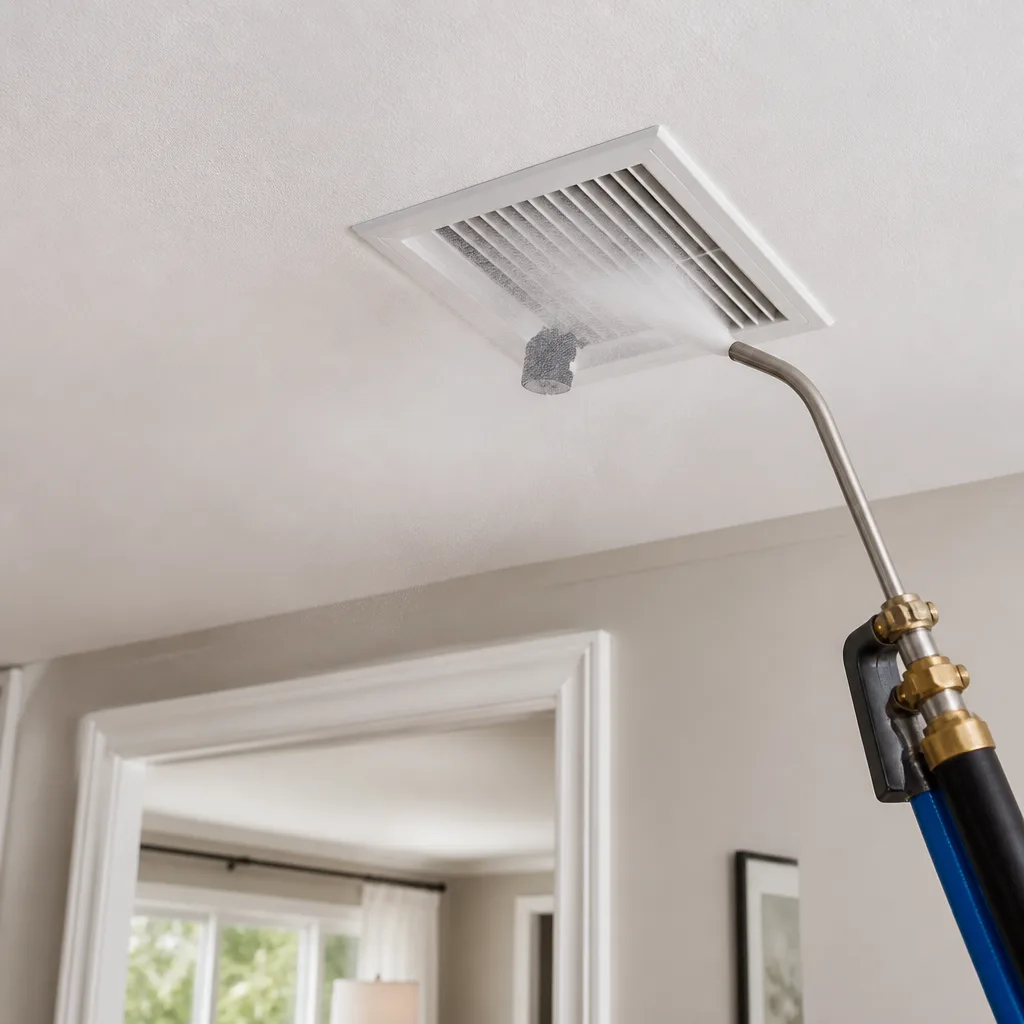 Sanitizing & deodorizing
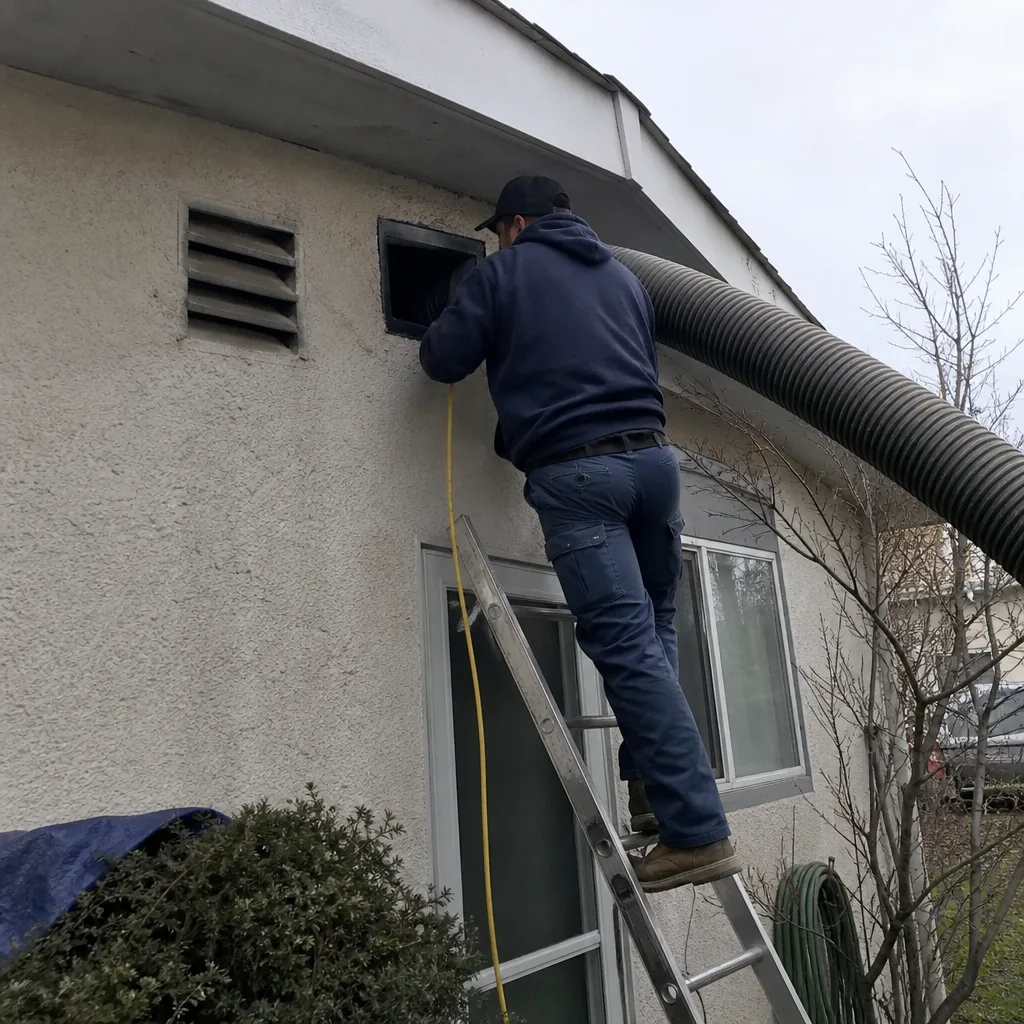
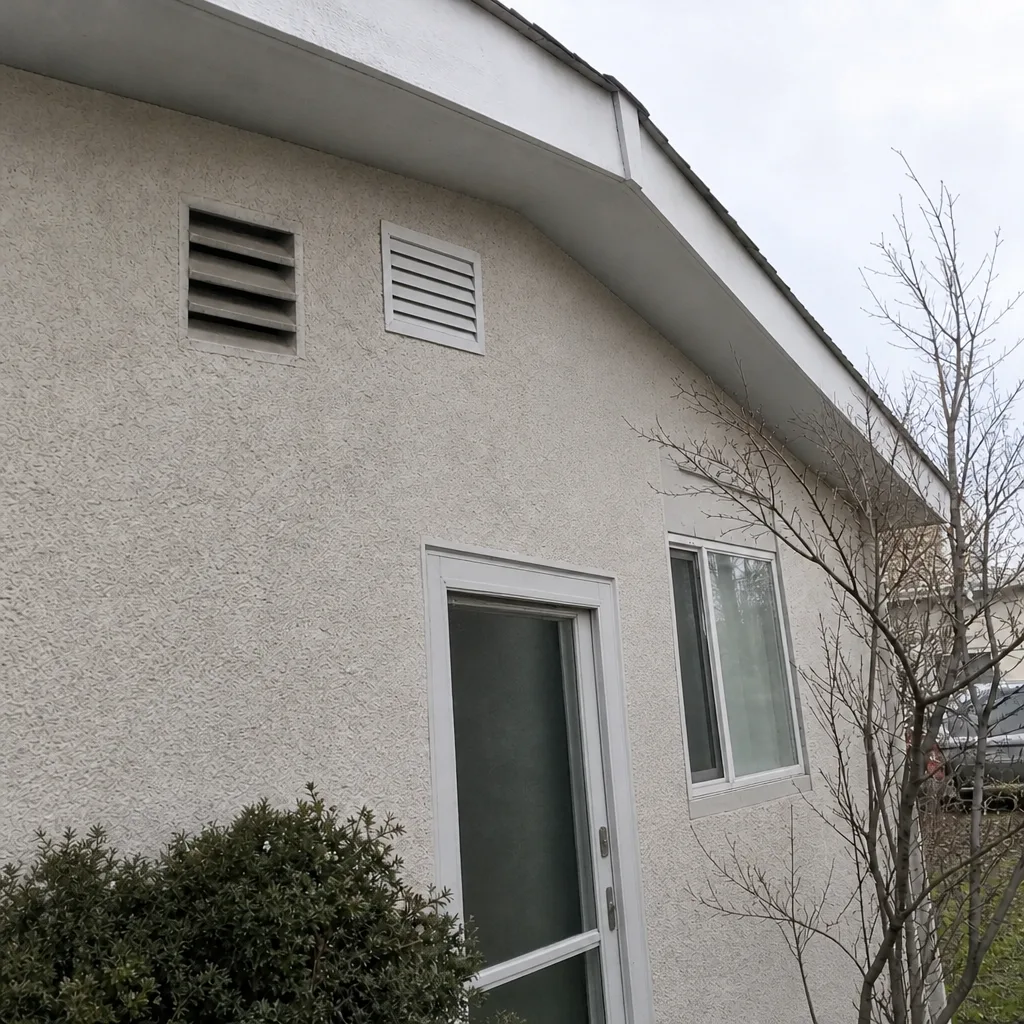
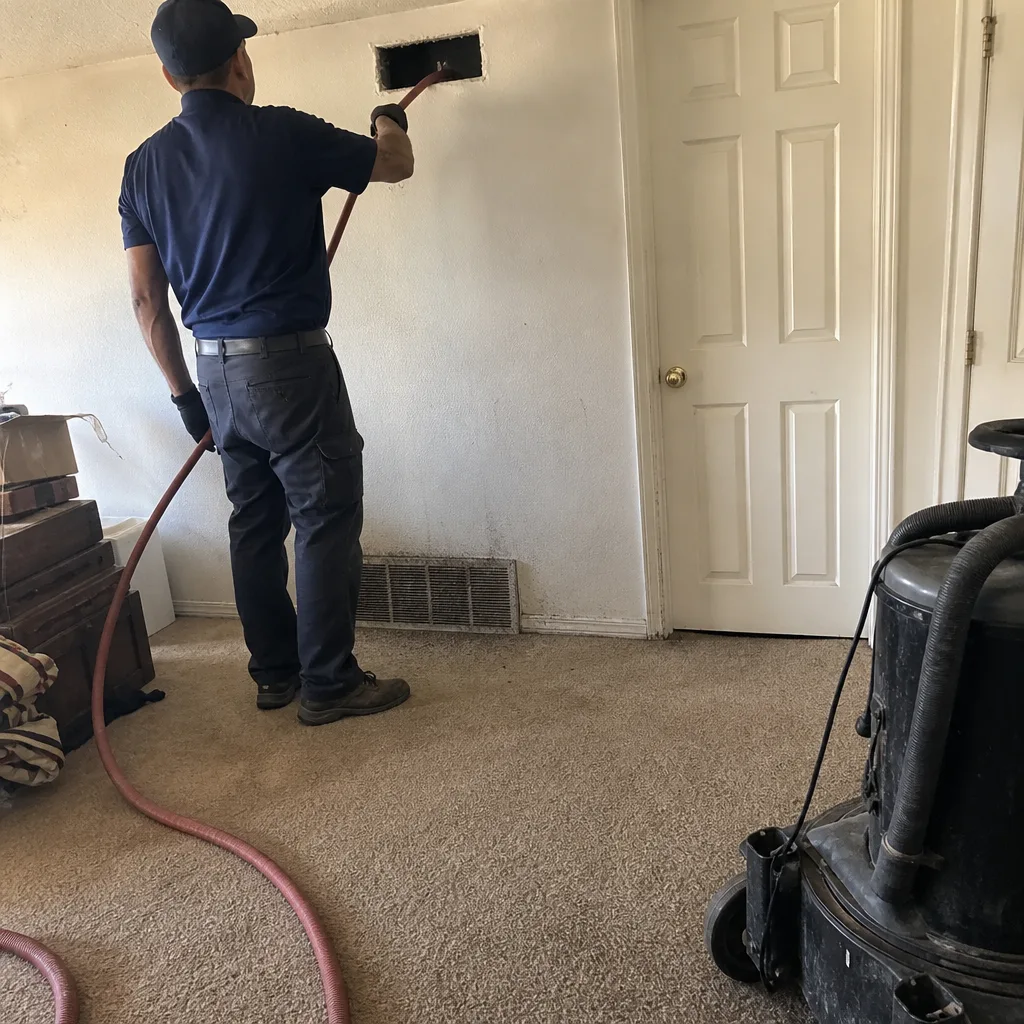
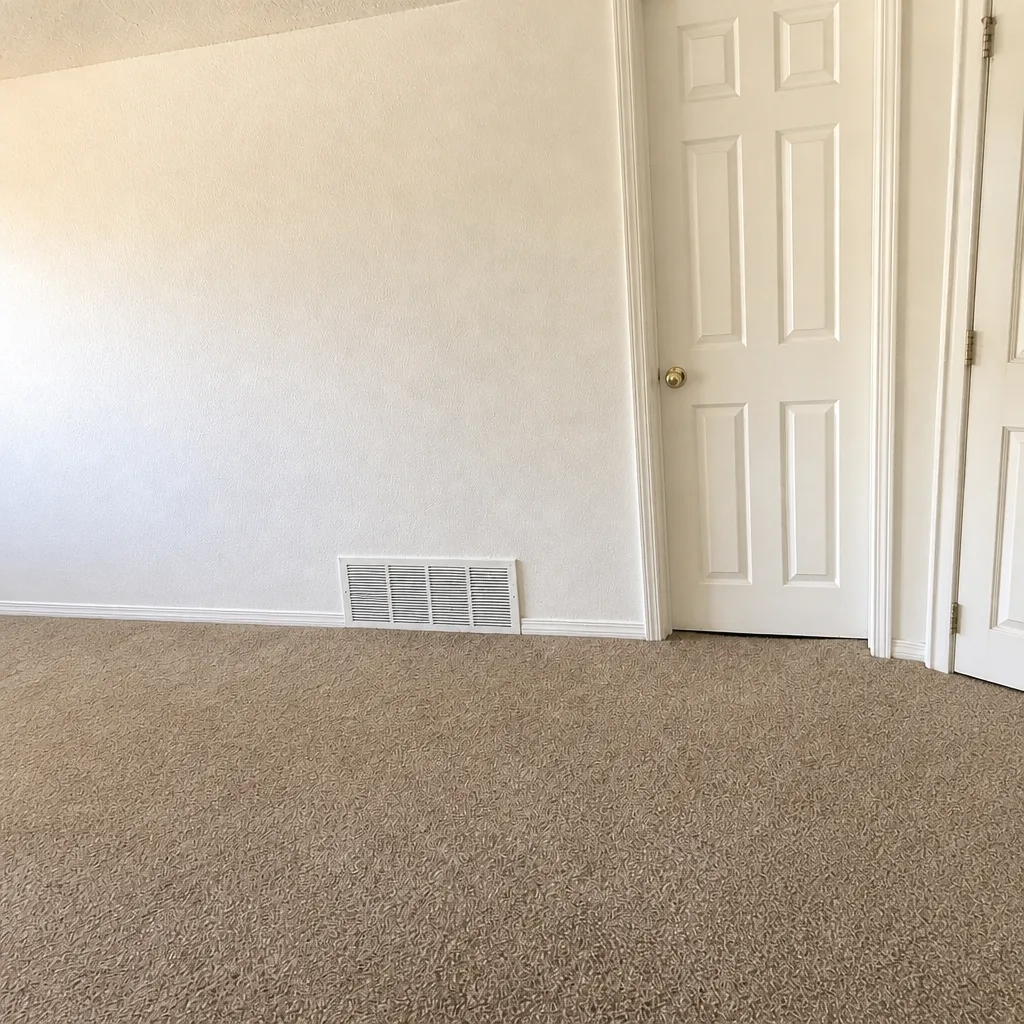
Whole-system duct and dryer vent check with before-and-after photos - you see exactly what came out of your vents
That "$99 whole-house special" is a bait ad - the real number appears once they are in your hallway, or the "clean" is a shop-vac at the register. We photograph the inside of your ducts before and after instead.
Choosing the Right Air Duct Cleaning Brand: A Buyer’s Guide for Gilroy
Here’s the thing most Gilroy homeowners don’t realize when they start comparing duct cleaning companies: the names are practically meaningless. Five different businesses can call themselves “Gilroy Air Duct Pros” or “Valley Air Solutions,” and they’ll show up with five completely different sets of equipment. One might have a professional Nikro negative air machine and a Rotobrush rotary brush system. Another might have a rented shop vac and a hardware store brush kit taped to a drill. Same service name, same invoice line item, wildly different results. This guide is about cutting through the logo and evaluating what’s actually in the truck, because that’s what determines whether your ducts get cleaned or just get stirred up.
Quick Answer
The right air duct cleaning brand isn’t a company name. It’s the equipment brand the technician brings to your Gilroy home. Look for a contractor who uses professional-grade systems like Rotobrush rotary brushes and Nikro HEPA-filtered negative air machines, and who can show you the equipment before work starts. If a company won’t name its equipment or let you see it, keep looking.
Styles & brands we work with
- Whole-home duct cleaning
- Dryer vent cleaning
- Camera inspection
- Sanitizing & deodorizing
Table of Contents
- The Equipment Brand Primer: What’s Actually in the Truck
- Truck-Mounted vs. Portable Negative Air: Which Works in Gilroy Homes
- How to Read Reviews for Equipment Signals
- What NADCA Certification Actually Means (and What It Doesn’t)
- The One Equipment Check to Do Before the Job Starts
- Why Repair Capability Changes the Brand Question
- Working Around Honeywell and Aprilaire Components
- The Dryer Vent Angle: Fire Safety as a Brand Signal
The Equipment Brand Primer: What’s Actually in the Truck
Most duct cleaning marketing sounds the same because most companies are avoiding the only question that matters: what equipment do you use? The answer separates professionals from pretenders faster than any review, badge, or slogan. In Gilroy, where homes range from older downtown bungalows to larger newer builds east of 101, the equipment determines whether a technician can actually reach the ductwork in your specific layout.
Rotobrush is the benchmark name in contact-based duct cleaning. The system uses a rotating brush head that physically scrubs the interior walls of your ductwork while a vacuum pulls loosened debris out. This is fundamentally different from the “blower and hope” approach that cheaper companies use, where compressed air pushes debris toward a single collection point and much of it simply resettles. When we run a Rotobrush system, the brush makes contact with the duct wall. Debris doesn’t get blown toward the next register; it gets removed.
Nikro is the other name worth knowing. Nikro manufactures HEPA-rated negative air machines and vacuum systems designed specifically for duct cleaning and indoor air quality work. The key feature is the HEPA filtration: a properly maintained Nikro unit captures particles down to 0.3 microns, which means what gets loosened inside your ducts doesn’t get recirculated through your living room. In a Gilroy home where someone has allergies, that’s the difference between a successful job and a dust storm with an invoice attached.
Abatement Technologies is a third name that signals a higher tier of capability. Abatement makes air filtration units and negative air machines that are used in restoration, remediation, and containment work. When a duct system is heavily contaminated, whether from post-renovation dust, pest activity, or years of neglect, containment matters. An Abatement unit allows a technician to create negative pressure in the work area, so airborne particles stay in the duct zone and get filtered rather than drifting through the house. This is containment-level cleaning, not just vacuuming.
What This Equipment Costs a Contractor
Here’s context that helps you understand why equipment brands signal commitment. A professional Rotobrush system costs several thousand dollars. A Nikro HEPA negative air machine runs in the thousands as well, and filters are an ongoing expense. Abatement Technologies units are industrial-grade investments. Compare that to a $300 shop vac and a $40 brush kit from a hardware store. A contractor who invested five figures in professional equipment is betting on doing this work for years and protecting their reputation. A contractor with a shop vac is betting on volume and low prices.
Truck-Mounted vs. Portable Negative Air: Which Works in Gilroy Homes
You’ll hear claims about truck-mounted systems from some companies and portable systems from others. Both have legitimate applications, and understanding the difference helps you evaluate what a Gilroy contractor is actually offering.
Truck-mounted systems house a powerful vacuum in the vehicle, connected to your ducts through a large hose. The advantage is raw suction power. The disadvantage is the size of the equipment and the hose, which can be cumbersome in tight spaces, multi-story homes, or neighborhoods with restricted street parking. Parts of downtown Gilroy, with older homes on narrow lots, can be genuinely difficult for truck-mounted setups.
Portable negative air machines, like the Nikro and Abatement units mentioned above, get placed inside your home near the duct access point. They’re powerful enough for residential systems, and critically, they’re HEPA-filtered at the point of collection. The equipment stays inside the conditioned space, and the filtration happens right there. For most Gilroy residential jobs, a professional portable negative air machine is entirely appropriate and often preferable, because the technician can position it optimally for your specific floor plan.
The real distinction isn’t truck-mounted versus portable. It’s HEPA-filtered versus not. A truck-mounted system without HEPA filtration is just moving dust from your ducts to your driveway. A portable system with proper HEPA filtration is capturing what it removes. Ask the question directly: “Is your vacuum HEPA-filtered at the collection point?” A professional answers yes immediately and can show you the filter.
How to Read Reviews for Equipment Signals
Reviews are more useful when you know what to look for. Most people write about the customer service interaction: how the technician spoke, whether they arrived on time, whether the price matched the quote. Those things matter, but they don’t tell you whether the ducts actually got cleaned. Here’s the language that signals a reviewer actually watched the work happen.
- Mentions of visible equipment. A reviewer who writes “they brought in a big machine with hoses and set it up in the hallway” saw the negative air unit. They may not know the brand, but they’re describing professional equipment, not a shop vac.
- Descriptions of the process. Phrases like “he showed me the buildup before he started” or “we looked at the filter afterward and it was covered in dust” indicate a technician who documented the job. That’s a professional habit.
- References to before-and-after photos. Companies that photograph the duct interior before and after give you proof. A reviewer mentioning these photos confirms the company does this consistently, not just in marketing materials.
- Specifics about what was found. “He found a gap in the ductwork in the crawlspace” or “the return was full of construction dust” tells you the technician inspected and reported, which is the behavior of someone using professional-grade tools and methodology.
- Mentions of repairs or recommendations. A review that says “he recommended sealing a joint but didn’t pressure me” signals a contractor who is evaluating the system, not just running equipment through it.
Reviews that only say “nice guys, quick job, good price” tell you almost nothing about whether your ducts will actually be cleaner. When you’re comparing companies in Gilroy, search reviews for the word “showed” or “photo” or “before.” Those reviewers saw something concrete.
What NADCA Certification Actually Means (and What It Doesn’t)
NADCA is the National Air Duct Cleaners Association, and its ACR-2021 standard is the primary industry reference for residential duct cleaning. Certification signals that a company has committed to learning the established methodology, including proper containment, source removal, and the use of equipment that meets certain minimum specifications. It’s a meaningful baseline.
But here’s what NADCA certification doesn’t tell you: it doesn’t tell you which specific equipment a contractor uses. The standard sets minimum requirements, and a company can be NADCA-certified while using entry-level equipment that technically qualifies. Certification is a floor, not a ceiling. The question to ask is whether a contractor exceeds the standard, and the way to determine that is by asking about equipment brands and seeing the gear.
In our experience, the contractors who genuinely exceed the standard are the ones who can name their equipment without hesitation. Ask a company “what system do you use for contact cleaning?” and listen to the answer. “A brush system” is vague. “Rotobrush” is specific. Ask “what vacuum do you use?” and listen. “A HEPA vacuum” is a start. “Nikro” is an answer that tells you they’ve invested in a known brand. Ask about containment on heavy jobs. If they say “Abatement Technologies” or describe negative air setup, you’re talking to a company that has invested beyond the minimum.
ACR-2021 compliance is something to verify, not something to be impressed by on its own. The impressive part is what a contractor chose to build on top of it.
The One Equipment Check to Do Before the Job Starts
Here’s a simple test any Gilroy homeowner can do before signing an estimate, and it takes about thirty seconds. Ask to see the HEPA filter in the negative air machine. Not a picture of the machine. The actual filter, on the actual unit they’re bringing to your home. Then ask when it was last changed.
A technician who uses HEPA filtration regularly will answer without flinching. They’ll open the housing, show you the filter, and tell you the replacement schedule. Most professional companies change filters on a documented rotation, because a clogged HEPA filter reduces suction and puts strain on the motor. It’s a maintenance item, and real operators treat it that way.
A technician who hesitates, deflects, or says something like “we just changed it” without opening anything is sending a signal. HEPA filters are expensive; some operators stretch them far beyond their useful life. If someone can’t or won’t show you the filter, the probability that they’re using HEPA filtration properly drops significantly.
This one check tells you more than a dozen reviews. It’s the moment where marketing meets reality, and it takes place at your doorstep in Gilroy, before any money changes hands.
Why Repair Capability Changes the Brand Question
Most air duct cleaning companies will clean around problems. They’ll vacuum past a disconnected joint, a crushed return, or a gaping hole in the ductwork and never mention it. That’s because they don’t repair ducts. They clean them. The job gets done, the invoice gets paid, and the problem remains, pulling dust from your crawlspace or attic back into the system within weeks.
This is why the brand question extends beyond cleaning equipment. The right contractor is one who can find compromised ductwork and fix it in the same visit. Air duct repair is a separate skill set from duct cleaning. It requires different tools, different materials, and a diagnostic mindset that most cleaning-only companies never develop.
When we inspect a duct system before cleaning, we’re looking for exactly these problems. A disconnected joint under the house means the system is pulling in unfiltered air from the crawlspace. A crushed return means restricted airflow and extra strain on your HVAC blower. A duct that’s come apart means you’re heating or cooling your attic instead of your living room. These aren’t rare findings in Gilroy homes, especially in older construction. And the value of finding them during a cleaning visit is obvious: one appointment instead of two, one company accountable for the whole result.
Ask any contractor you’re considering: “Do you repair ductwork, or just clean it?” The answer splits the market cleanly. Duct Cleaning Gilroy does both, and that changes what the job can accomplish.
Working Around Honeywell and Aprilaire Components
Many Gilroy homes have indoor air quality components already installed, often without the homeowner realizing it. Honeywell makes electronic air cleaners, media filter cabinets, and whole-house humidifiers. Aprilaire is another major brand in filtration and humidity control. If your system has one of these, it sits in the airstream your duct cleaning technician will be working around.
That’s a practical consideration most homeowners never think about. A technician who doesn’t recognize a Honeywell electronic air cleaner might not know how to clean around it, or worse, might damage the power supply or the collector cells while trying to access surrounding ductwork. Aprilaire filter housings have specific dimensions and sealing requirements. Cleaning a duct system that contains these components means working around them properly, not just treating them as obstacles.
It also means the technician can tell you whether your existing IAQ equipment is doing its job. During an air duct cleaning, we see the condition of the system that feeds your filters. If a Honeywell media cabinet is warped or an Aprilaire filter is collapsing, that’s information you want before you spend money on new filters or additional equipment. A technician who works with these brands regularly can provide that context.
The brand question applies here too. Honeywell and Aprilaire are established names in IAQ. A contractor who can speak specifically about them, and who works around them without breaking anything, is operating at a higher level than one who treats every duct system as a generic tube.
The Dryer Vent Angle: Fire Safety as a Brand Signal
Here’s a fact that reframes the entire duct cleaning conversation: dryer vent blockage is a leading cause of residential fires in the United States. Lint accumulates inside the vent pipe, restricts airflow, and eventually becomes a fuel source sitting inches from the heat your dryer produces. The fire risk isn’t theoretical. It’s a documented, recurring cause of house fires.
This matters for the brand question because it reveals what a contractor actually cares about. A company that only mentions dryer vent cleaning as an upsell, a line item to add to the air duct invoice, is not treating it as a safety service. A company that treats it as a standalone priority, with its own inspection and verification process, is thinking about outcomes.
When we clean a dryer vent, we don’t just run a brush through it and pack up. We measure airflow afterward. We confirm the vent exhausts properly to the outside, not into an attic or crawlspace. We verify that the termination, where the vent exits the house, is clear and functioning. That’s the difference between a checkbox and a completed job. Lint is a fire hazard, and the point of the service is to eliminate that hazard, not to leave most of it in place with a smile and a receipt.
A homeowner selecting a duct cleaning brand should ask about dryer vents regardless of whether they plan to have them cleaned. The answer reveals whether the contractor is in the air quality business or the home safety business. You want both, and the second one is rarer.
Common Mistakes to Avoid
- Hiring based on the company name. As established, the name tells you nothing about the equipment or the operator. “Gilroy Air Solutions” could be a professional with Rotobrush and Nikro gear or a guy with a shop vac and a logo. Evaluate equipment, not branding.
- Choosing the lowest quote without asking why it’s lower. Professional equipment costs money to own and maintain. A quote that’s dramatically lower than others usually reflects cheaper equipment, skipped steps, or both. The ducts in your Gilroy home don’t care about your budget; they care about whether they actually get cleaned.
- Believing NADCA certification means premium quality. Certification is a baseline. Some NADCA-certified companies exceed the standard dramatically. Others check the boxes and do the minimum. Equipment questions separate them.
- Not asking to see the HEPA filter. The filter check takes thirty seconds and reveals more than any marketing material. HEPA filtration is the difference between capturing debris and recirculating it. If a technician can’t show you a filter, they might not be using one properly.
- Hiring a cleaning-only company when your ducts might need repair. If your ducts are compromised, cleaning them without repair is waste. The gaps and disconnections will re-contaminate the system within weeks. Ask every contractor: “Do you repair ductwork?”
- Overlooking the dryer vent. Dryer vents are a fire safety issue, not an optional add-on. A contractor who treats the vent as an afterthought is missing the largest safety factor in the entire conversation.
- Assuming all negative air machines are equal. They aren’t. HEPA filtration status, filter condition, and airflow capacity vary widely. The machine in the truck matters more than the logo on the side of it. Learn more about air duct cleaning before you commit to any contractor.
See the difference
 Before
 After
 Before
 After
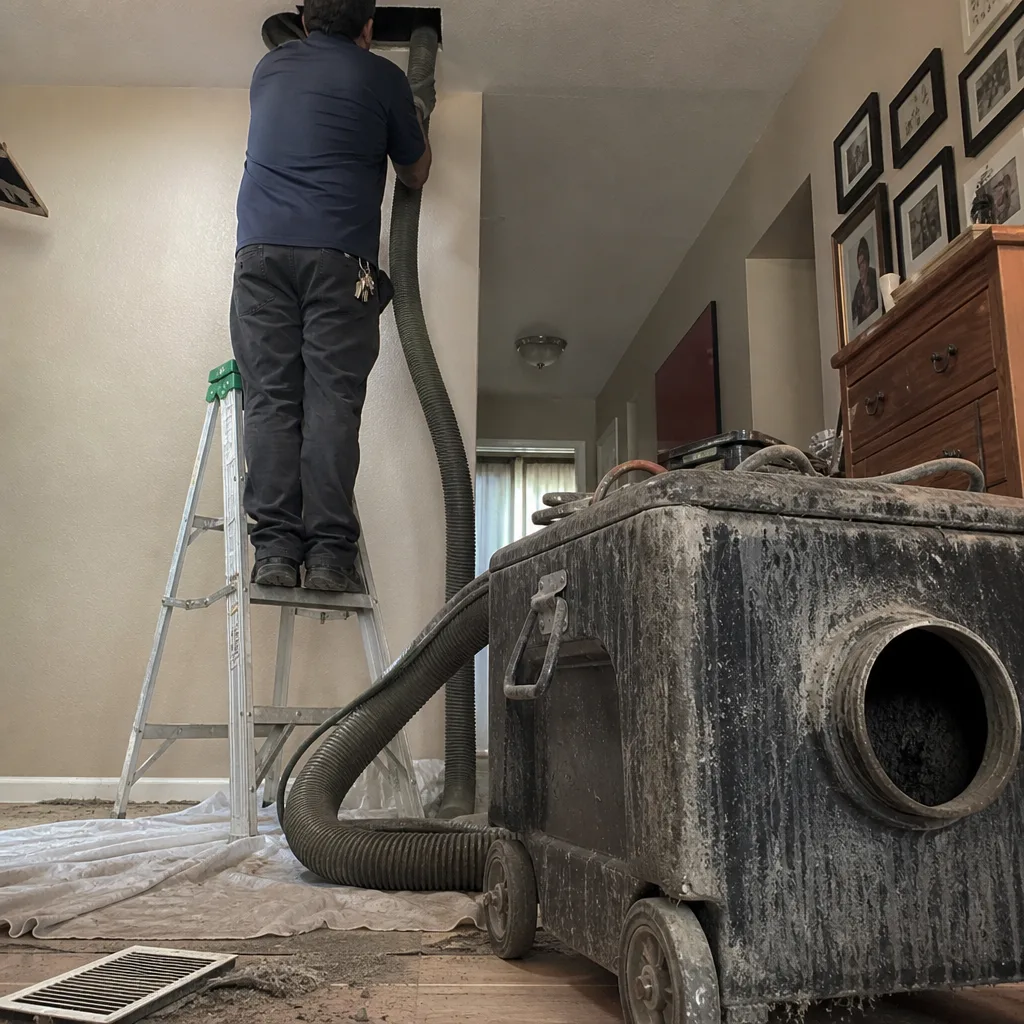 Before
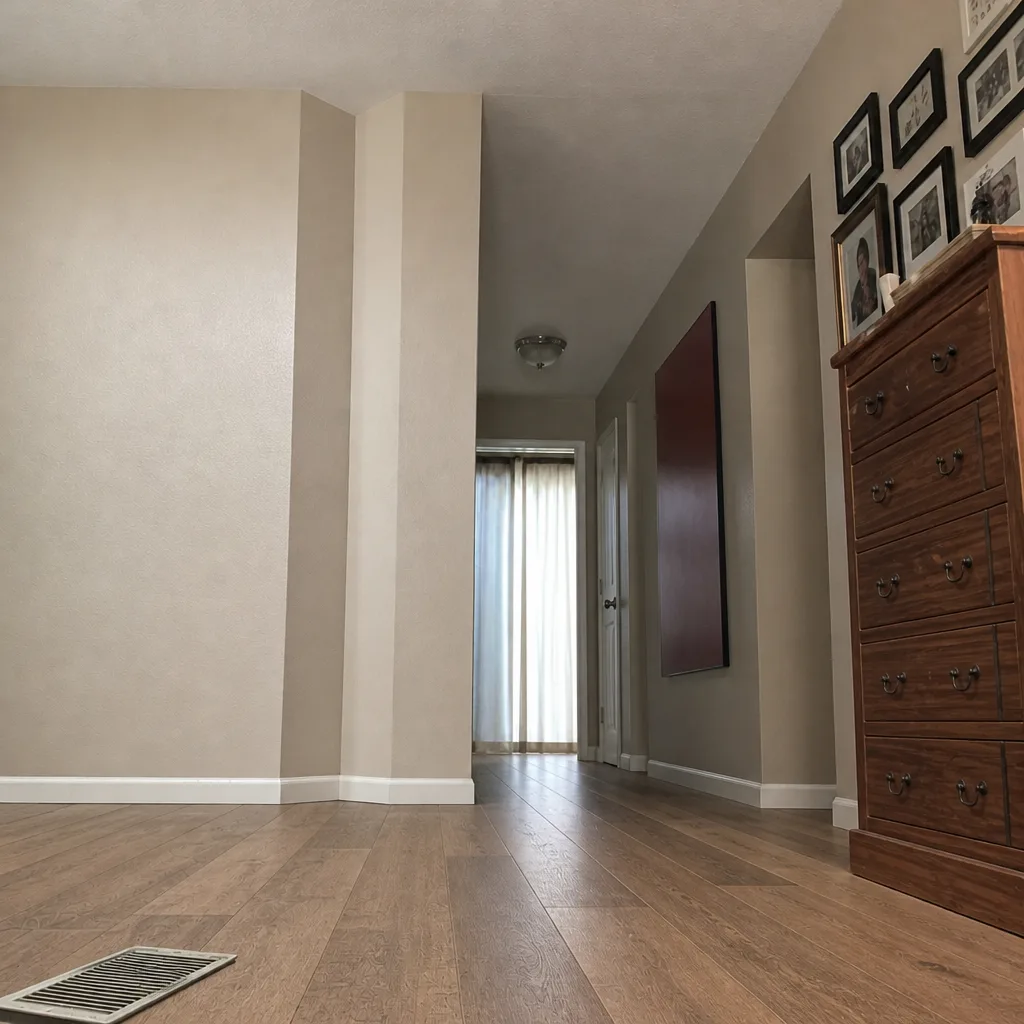 After
When to Call a Professional
Some situations leave no room for delay or experimentation. If someone in your Gilroy home has unexplained allergy symptoms that worsen indoors, the duct system is a suspect that deserves professional evaluation. If you smell musty or stale odors when the HVAC runs, something is growing or accumulating where it shouldn’t be. If you’ve recently completed renovation work, the construction dust has certainly entered the duct system, and a thorough cleaning is the only way to remove it. If your dryer takes two cycles to finish a load, the vent is restricted, and that restriction is a fire hazard, not an inconvenience. If you can see dust blowing from your registers when the system starts, you’re watching the problem in real time. In each of these scenarios, professional equipment makes the difference between identifying the source and merely treating the symptom. Duct Cleaning Gilroy offers free estimates in Gilroy, call (833) 589-9833. We answer 24/7. Fast dispatch from 7am to 7pm, Sunday through Friday.
Frequently Asked Questions
Choose based on equipment, not company name. Ask what contact-cleaning system they use (Rotobrush is the benchmark), what vacuum they use (Nikro indicates HEPA-grade investment), and whether they can show you the HEPA filter before work starts. A professional answers these questions directly and without hesitation. Ask whether they repair ductwork as well as clean it, because finding problems mid-job means nothing if they can’t fix them.
The difference is almost always equipment and scope. A company using a shop vac and basic brushes has almost no equipment cost to recover, so they can quote low. A company using Rotobrush and Nikro systems has invested in professional-grade gear that costs thousands and requires ongoing filter replacement. The cheaper quote often reflects skipped steps like proper containment or HEPA filtration. You get what the contractor’s overhead reflects. Call (833) 589-9833 for a free estimate and we’ll walk you through exactly what your job involves.
A professional uses contact-cleaning equipment, not just compressed air. Rotobrush rotary brush systems physically scrub duct walls while a HEPA-filtered vacuum, like a Nikro unit, captures the loosened debris at the point of collection. For heavily contaminated systems, containment equipment from manufacturers like Abatement Technologies allows negative-pressure work so particles don’t enter the living space. If a contractor can’t name their equipment, they’re probably not proud of it.
NADCA certification matters as a baseline. It confirms the company has committed to the industry standard, ACR-2021, which specifies source removal methodology and minimum equipment requirements. But certification doesn’t tell you which equipment a contractor uses or how thoroughly they apply the standard. Think of it as a minimum floor. The ceiling is determined by what’s in the truck, and that’s what separates an average job from a thorough one. A company can be certified and still use entry-level gear.
Demand before-and-after photos of the duct interior. A professional company documents the condition before work begins and again after completion. You should also be able to see the debris collected by the HEPA filter, and the technician should walk you through what was found. If a company is reluctant to show proof, that’s an answer. The best companies treat documentation as a standard part of the job, not a special request. Call (833) 589-9833 if you want to know what professional duct cleaning in Gilroy should include. We answer 24/7.
Often, yes, but they’re separate jobs with separate equipment. Dryer vent cleaning is a fire-safety service first, and it requires its own specialized tools to remove lint from the entire vent run and confirm proper termination to the outside. If a company offers a package discount for combining the services, that’s fine, but verify they’re doing both jobs properly rather than treating the vent as a quick add-on. Lint is the leading culprit in dryer-related house fires, and a partial cleaning is no cleaning.
Duct cleaning can help when allergens are actually present in the ductwork, but it’s not a cure-all. In Gilroy, seasonal allergens and agricultural dust from the surrounding valley can enter homes and settle in ducts. Removing that accumulated material means it stops recirculating every time the system runs. But if your allergies are triggered by outdoor exposure, cleaning the ducts won’t change that. A professional inspection can tell you what’s actually in your system and whether cleaning is the right step.
The Bottom Line
The air duct cleaning brand that matters is the equipment brand, not the company name. Rotobrush, Nikro, and Abatement Technologies are names worth recognizing because they represent professional investment in contact-cleaning, HEPA filtration, and containment capability. Honeywell and Aprilaire familiarity signals a contractor who understands integrated IAQ systems. Repair capability means problems get fixed, not worked around. And the HEPA filter check is the single best pre-hire test a Gilroy homeowner can perform. Ask better questions. Get better answers. Call Duct Cleaning Gilroy at (833) 589-9833 for a free estimate in Gilroy. We answer 24/7. Fast dispatch from 7am to 7pm, Sunday through Friday.
Written by the team at Duct Cleaning Gilroy, serving Gilroy since 2011.