
Last updated November 4, 2026
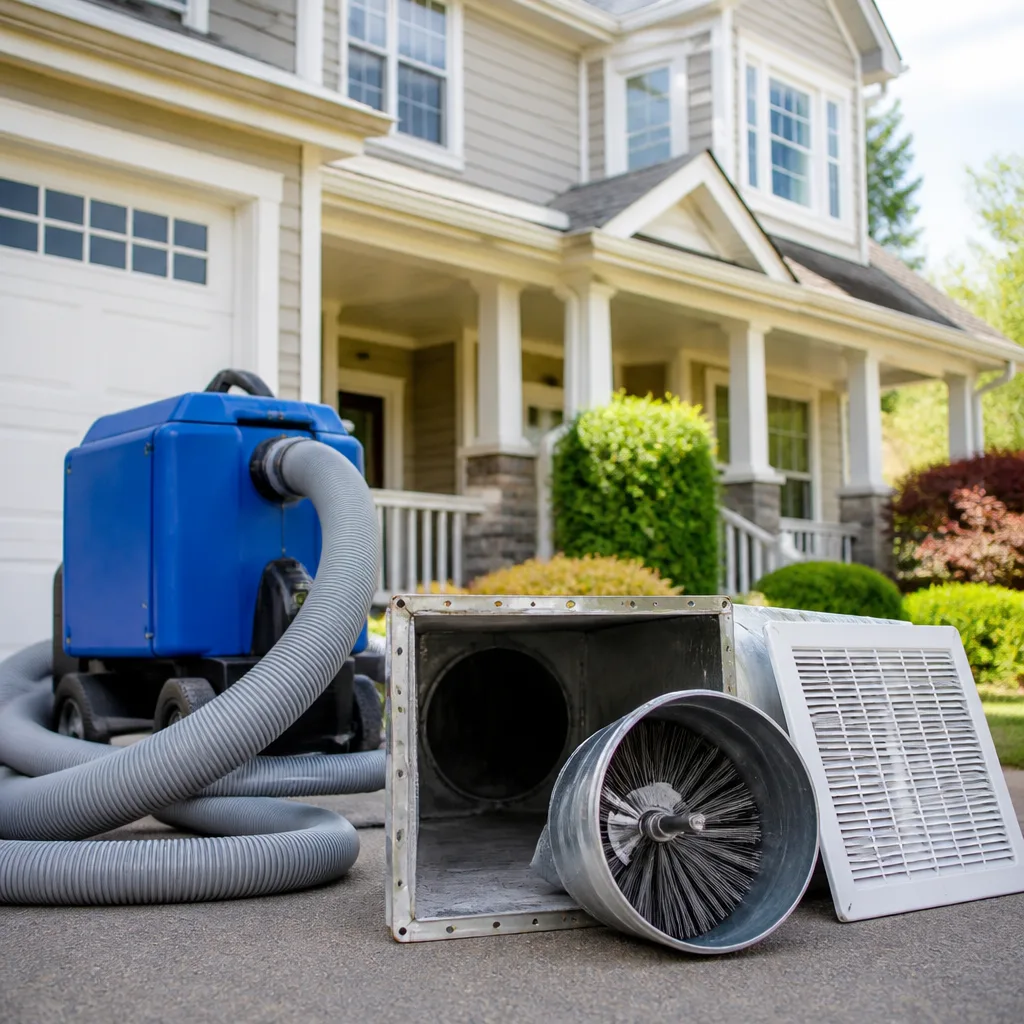 Whole-home duct cleaning
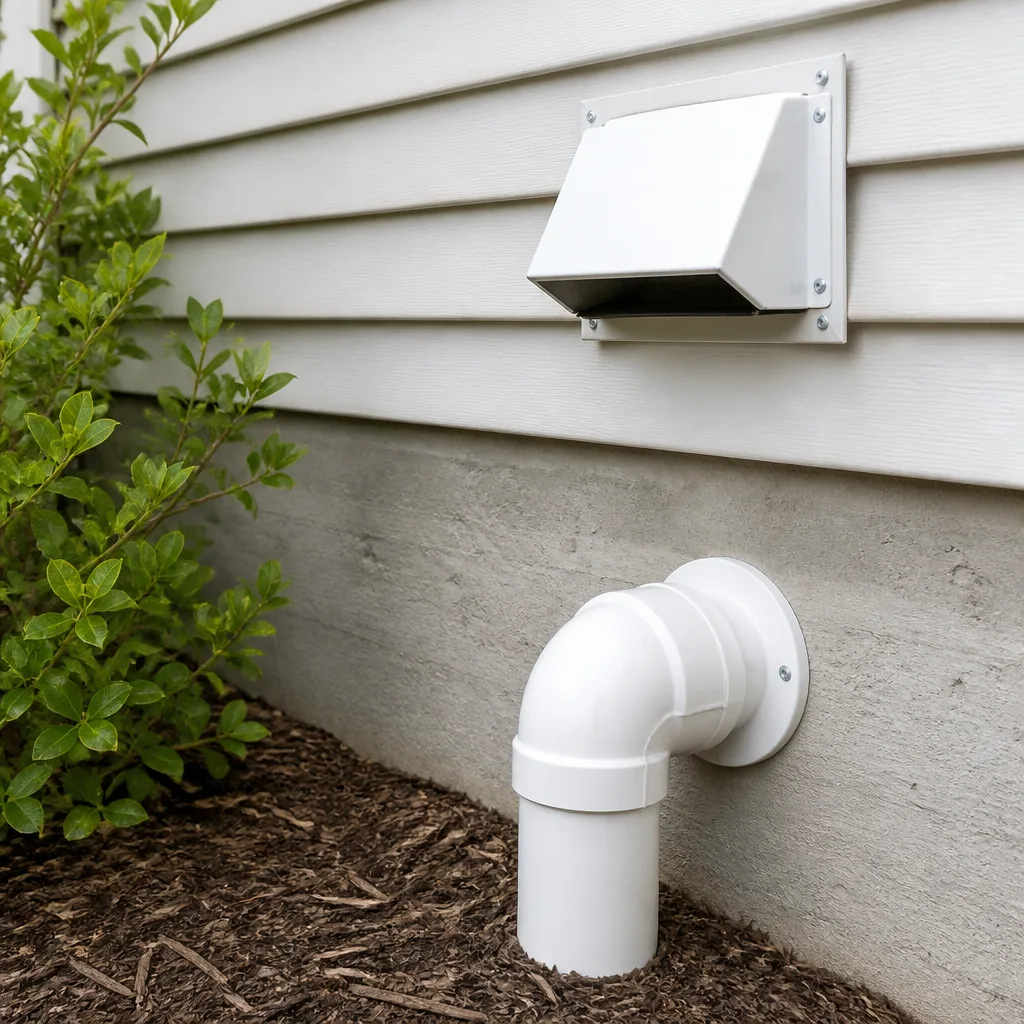 Dryer vent cleaning
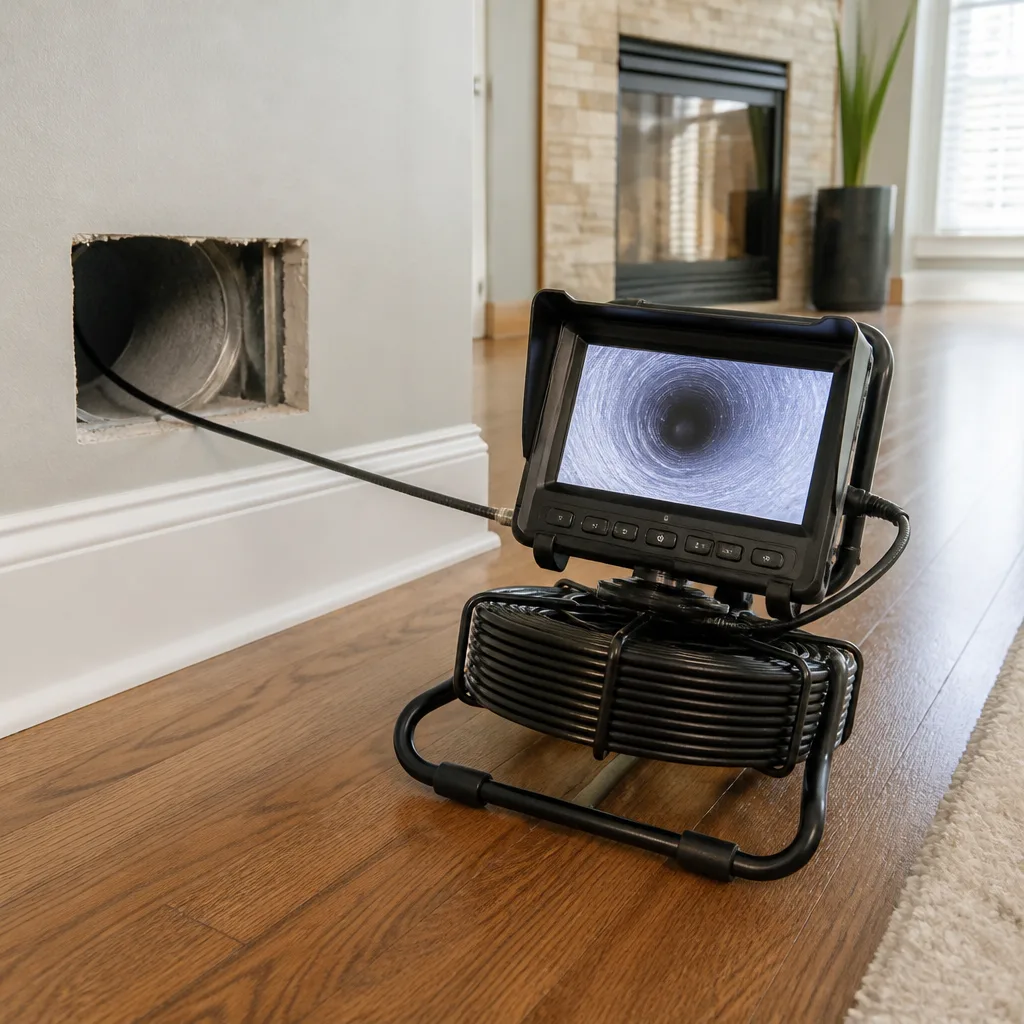 Camera inspection
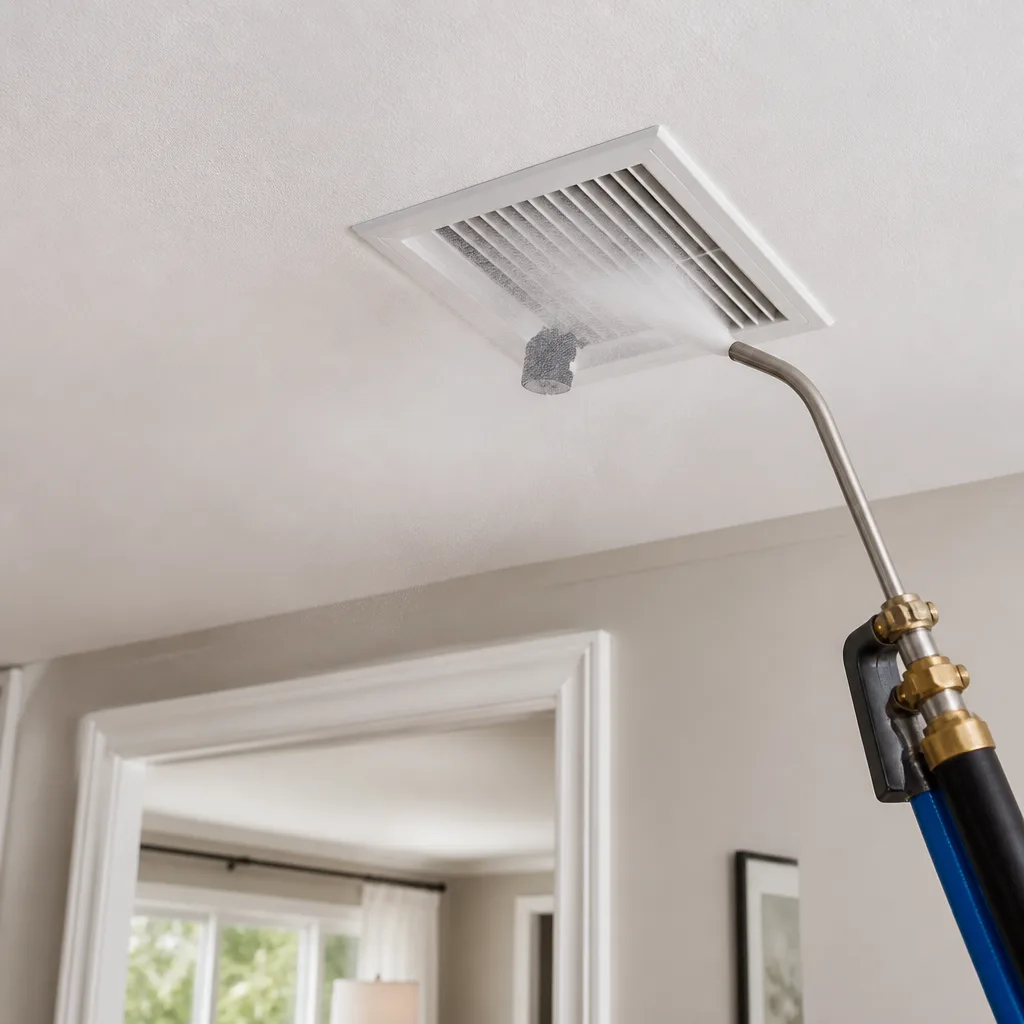 Sanitizing & deodorizing
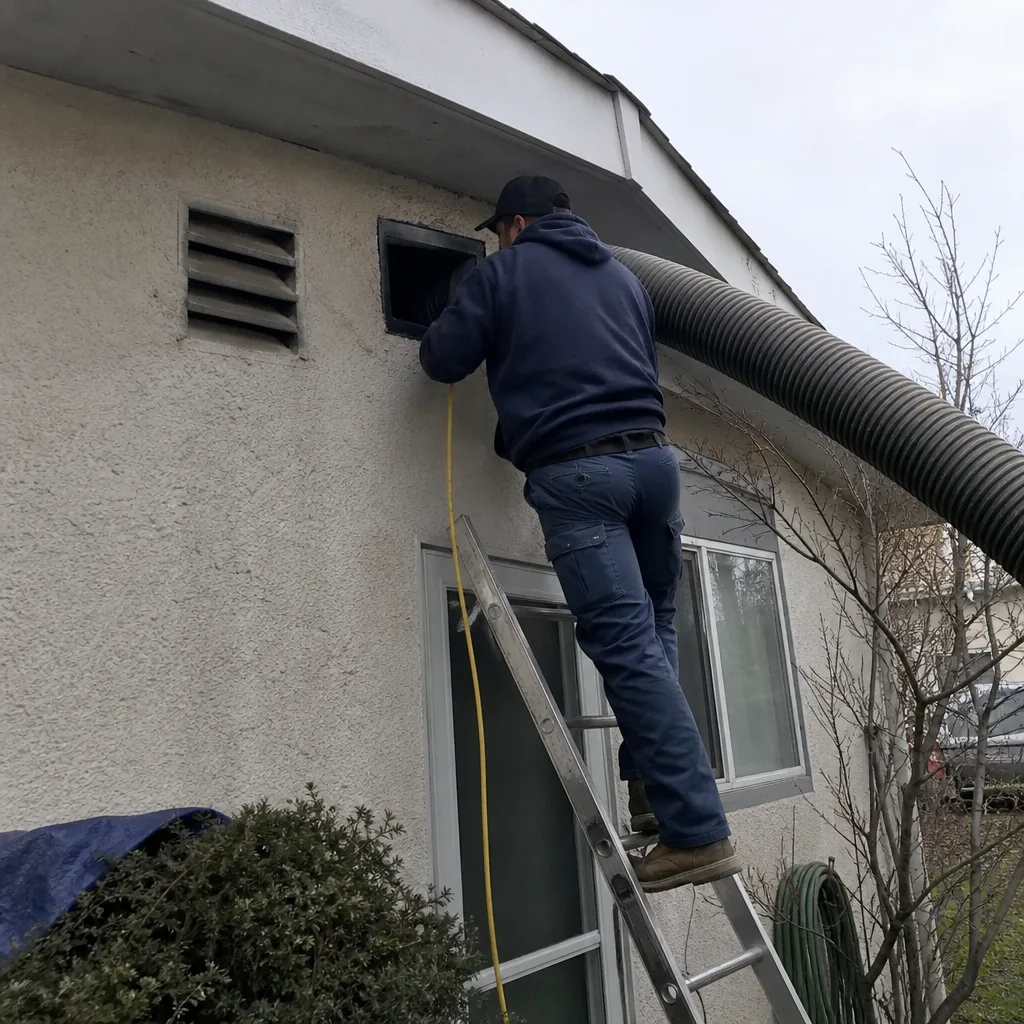
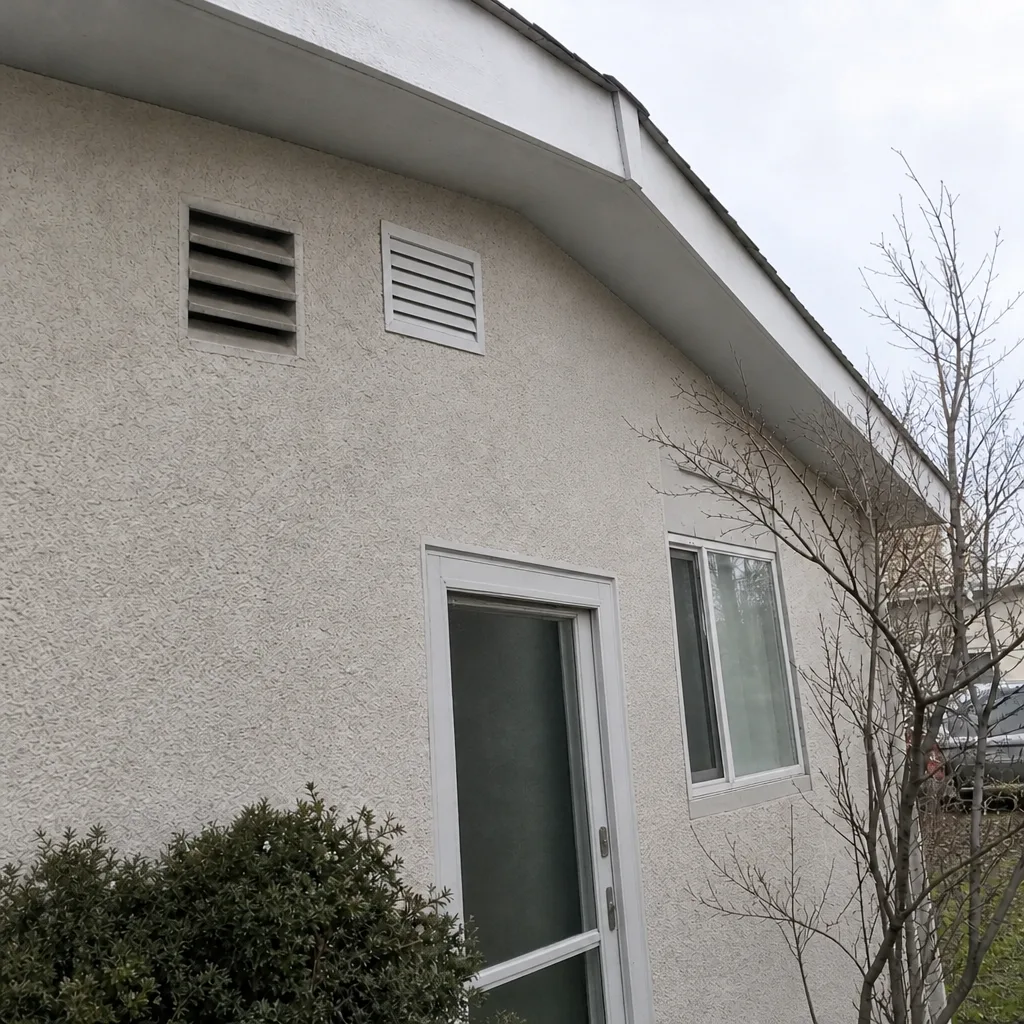
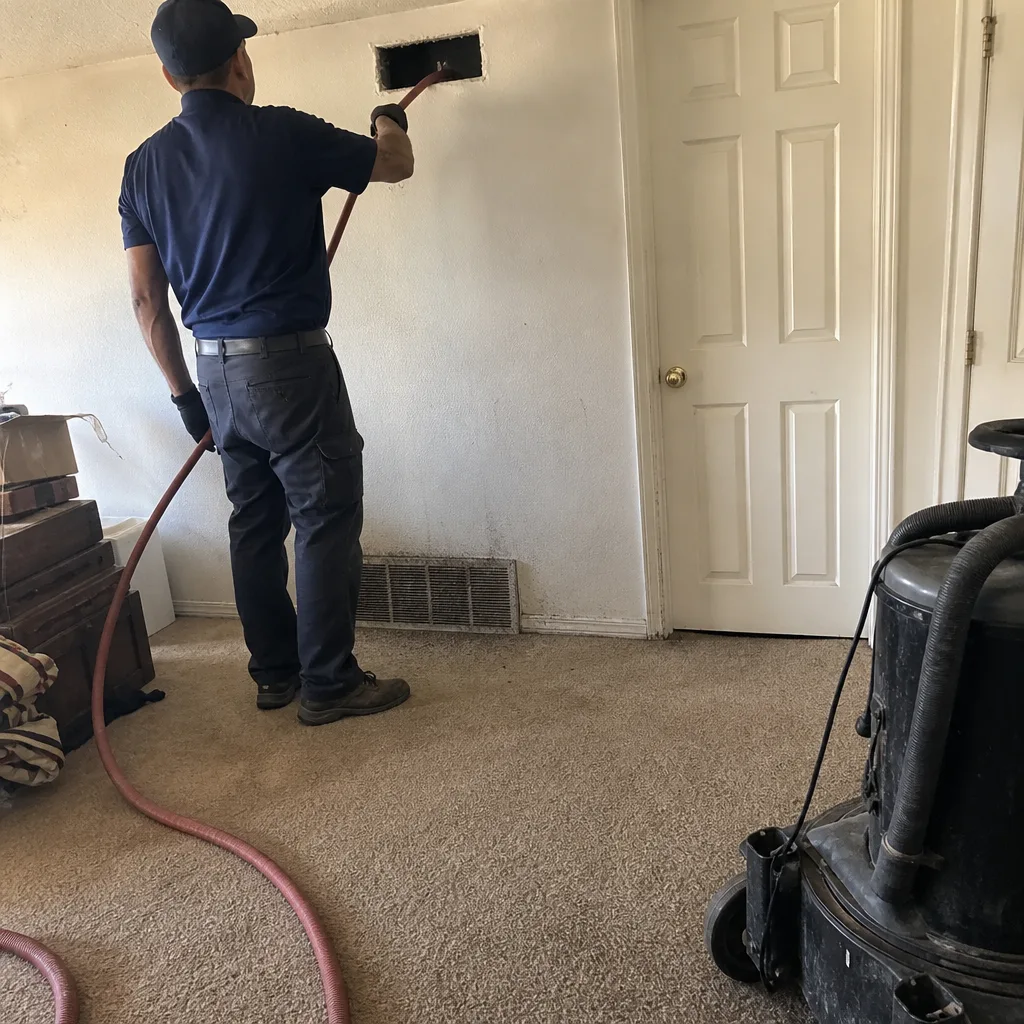
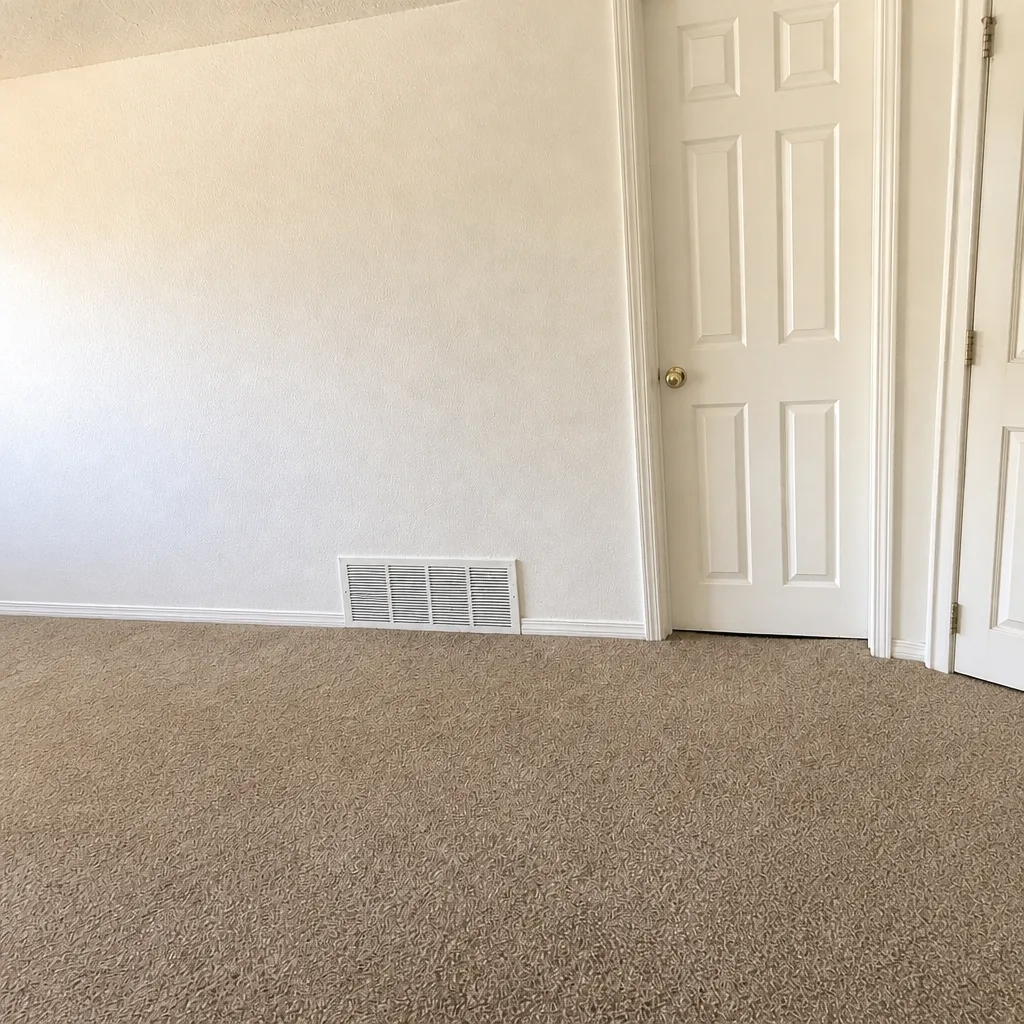
Whole-system duct and dryer vent check with before-and-after photos - you see exactly what came out of your vents
That "$99 whole-house special" is a bait ad - the real number appears once they are in your hallway, or the "clean" is a shop-vac at the register. We photograph the inside of your ducts before and after instead.
DIY vs Professional Air Duct Cleaning: The Gilroy Homeowner’s Decision Guide
A shop vac and a dryer vent brush will clean the visible part of your duct, the section you can see with a flashlight from the register opening. What those tools won’t reach is the elbow, the main trunk, the air handler cabinet, and the return plenum. That deeper network is where most of the actual contamination lives in a Gilroy home’s duct system. This guide maps exactly what DIY can and cannot reach so you can make an informed choice rather than a hopeful one.
Styles & brands we work with
- Whole-home duct cleaning
- Dryer vent cleaning
- Camera inspection
- Sanitizing & deodorizing
Quick Answer
DIY duct cleaning is appropriate for register cleaning, the first two to three feet of accessible ductwork, and dryer vent lint clearing. It is mechanically incapable of cleaning the main trunk line, return plenum, or air handler cabinet. Professional air duct cleaning uses negative air pressure and rotary agitation to remove contamination from the entire system, not just the visible portion.
Table of Contents
- The Anatomy of a Duct System: What You Can Actually See
- DIY Tools: An Honest Performance Assessment
- When DIY Makes Sense: Three Specific Situations
- When DIY Makes Things Worse
- How to Do a Legitimate Interim Maintenance Pass
- What a Professional Clean Actually Does Differently
- Cost Comparison: DIY and Professional in Gilroy
- Common Mistakes to Avoid
- When to Call a Professional
- Frequently Asked Questions
- The Bottom Line
The Anatomy of a Duct System: What You Can Actually See
Most homeowners in Gilroy have never seen the full path their air travels. You know the registers, those metal grates in the floor, wall, or ceiling. You might have shined a flashlight into one and seen dust, maybe a toy a child dropped in. But the duct system extends far beyond that opening.
Here is what a typical duct system looks like, from the room inward:
- The register boot: A metal box directly behind the visible grille. This is the first six to twelve inches. DIY tools can reach this. It catches hair, dust bunnies, and small objects.
- The branch run: The round or rectangular duct that carries air from the main trunk to each room. Runs can be three to thirty feet long. They include elbows, which are sharp bends where debris accumulates. DIY tools can reach the first two to three feet of a straight run, but not past the first elbow.
- The main trunk line: A large rectangular or round duct that runs the length of the home, often through the attic or crawlspace. Every branch run connects to it. It is the central artery of the system. DIY tools cannot reach this. It requires access panels cut by a technician.
- The return plenum: The large chamber on the inlet side of the air handler. It collects air from return registers throughout the home. Because return air is unfiltered in many older Gilroy homes, this is where large volumes of dust, pet hair, and construction debris settle. DIY tools cannot reach this.
- The air handler cabinet: The metal box containing the blower motor, evaporator coil, and often the filter. Coils can hold a layer of dust and biological growth that passes air every time the system runs. DIY cannot access or clean this safely.
- The supply plenum: The chamber on the outlet side of the air handler. Like the return plenum, it is a collection point for debris. DIY cannot access this.
In our experience, the vast majority of contamination in a Gilroy home’s duct system is in the trunk line, the plenums, and the air handler, not in the first few feet of the branch runs. That means the parts a homeowner can see and clean are frequently the cleanest parts of the system, and the parts they cannot reach are where the real problem lives.
DIY Tools: An Honest Performance Assessment
There are three categories of tools marketed to homeowners for duct cleaning. They are not all created equal, and two of them have meaningful limitations that most product listings do not disclose.
Consumer Duct Cleaning Kits
These kits include a flexible rod, a brush head, and sometimes a small adapter to connect a drill. They work by spinning a brush inside the duct while you feed the rod through the register opening. The limitation is mechanical. The rod bends, but it cannot make a hard ninety-degree turn at an elbow while spinning under load. It also cannot service a trunk line because the trunk is not accessible from a register opening. These kits are useful for cleaning the register boot and the first straight section of a branch run. They are not capable of cleaning an entire duct system.
Dryer Vent Rods
A dryer vent rod kit is a set of connected fiberglass rods with a brush head, designed to spin with a drill. These rods are stiffer than consumer duct cleaning kits and can make it through a dryer vent, which has gentle bends but no sharp elbows. They are genuinely useful for dryer vent cleaning. We recommend them as an interim tool for homeowners who want to clear lint between professional cleanings. They are not, however, a substitute for whole-system duct cleaning. A dryer vent is a single, short run that exhausts directly outside. The duct system in a home is a branching network, and the rod cannot navigate that geometry.
Shop Vac Adapters
A shop vac fitted with a hose and a brush attachment can remove loose debris from the register boot and the first foot or two of a branch run. That is the extent of its reach. It does not have the suction power, measured in CFM and static pressure, to pull debris from a thirty-foot run. It does not have a reach long enough to access the trunk. And critically, it does not create negative air pressure in the entire system the way professional equipment does. A shop vac is a maintenance tool, not a cleaning system.
When DIY Makes Sense: Three Specific Situations
We are not anti-DIY. There are specific, limited situations where a homeowner in Gilroy can do legitimate good work with consumer tools. The key is knowing the boundary.
- Post-construction dust in one or two runs. If you have just had a single room renovated, drywall dust settles in the register boots and the first few feet of the branch run serving that room. A consumer duct cleaning kit or a shop vac can remove that visible dust. This is a cosmetic cleaning, and it is appropriate when the contamination is limited to what you can see and reach.
- Dryer vent lint clearing. A dryer vent rod kit with a drill is a reasonable tool for clearing a dryer vent between professional cleanings. Lint builds up in the vent pipe over a matter of months, and clearing it reduces the fire risk. Dryer vent blockage is a fire hazard, and clearing it yourself with the right tool is better than ignoring it. You should still have the vent professionally cleaned at an interval appropriate for the length and configuration of the run.
- Register cleaning. Removing the floor or wall registers and vacuuming them is a ten-minute task that improves airflow. You can also wipe the visible metal surfaces with a damp cloth. This is regular maintenance, like changing a filter, and it is squarely within a homeowner’s reach.
When DIY Makes Things Worse
There is one specific way a well-intentioned DIY duct cleaning can make indoor air quality worse rather than better. It happens when a homeowner uses a brush or rod to dislodge debris inside a duct run without negative air pressure capturing that debris. Here is what occurs.
A brush breaks loose the dust, pet hair, and skin cells adhered to the duct wall. That material becomes airborne inside the duct. But with no vacuum pulling from the other end, the debris does not leave the system. Instead, the next time the HVAC blower runs, it pushes that dislodged material out into the living space. The homeowner takes ductwork that was mildly contaminated, disturbs it, and then breathes the disturbance. In a Gilroy home where dust from the agricultural valley and pollen from the surrounding foothills are already present, introducing a cloud of dislodged duct debris into the living room is a step backward.
Professional air duct cleaning avoids this because the entire system is placed under negative pressure before brushing begins. The vacuum runs the entire time, so what is loosened is captured at the point of dislodgement. That is the fundamental difference between professional cleaning and the DIY approach, and it is the reason we always use a Nikro HEPA-rated vacuum system on a job, never any consumer-grade tool.
How to Do a Legitimate Interim Maintenance Pass
If you want to perform a proper DIY maintenance pass between professional cleanings, here is a step-by-step approach. It is the right scope for a homeowner, with clear boundaries on what not to attempt.
- Turn off the HVAC system. You do not want the blower running while you are working. This prevents dislodged material from circulating.
- Remove the registers. Unscrew the grilles from every floor, wall, or ceiling opening. Soak them in warm water and dish soap. Scrub with a stiff brush to remove the sticky layer of dust and cooking residue that accumulates in kitchens.
- Vacuum what you can see. Use a shop vac with a narrow crevice attachment to remove loose debris from the register boot and the first straight section of each branch run. Do not insert the hose deeper than a foot or so. If the run bends, stop there.
- Wipe accessible surfaces. Use a damp microfiber cloth to wipe the inside of the register boot. This removes the fine dust that a vacuum misses.
- Dry the registers and reinstall them. Make sure they are completely dry before putting them back to avoid rust streaks on the metal.
- Do not attempt the trunk, the plenums, or the air handler. These components cannot be reached from a register opening. Attempting to access them from the attic or crawlspace without professional training risks damaging the ductwork, and disturbing these areas without negative air pressure will disperse contamination through the home.
This pass takes an hour or two and genuinely improves air quality in the short term. It does not replace professional cleaning. It extends the interval between professional visits, which is a legitimate goal for a homeowner.
What a Professional Clean Actually Does Differently
A professional air duct cleaning is not a scaled-up version of what a homeowner does with a shop vac. The difference is equipment class and system access. Here is how a professional cleaning proceeds.
First, the technician inspects the system. That means opening access to the trunk line, the return plenum, and the air handler. These are not accessible from the registers. In a Gilroy home, the trunk is typically in the attic or under the floor in a crawlspace, and it requires cutting access panels or using existing service openings. The inspection tells the technician what type and volume of contamination is present, and whether any ducts are damaged or disconnected.
Second, the system is placed under negative pressure. A large vacuum unit, typically a Nikro HEPA-rated system, is connected to the trunk line. It runs the entire time. This creates a continuous airflow from the registers toward the vacuum, so anything disturbed inside the ducts moves toward the capture point, not the living space.
Third, the duct walls are mechanically cleaned. We use Rotobrush contact-cleaning, meaning the brush physically scrubs the duct wall, debris does not just get blown toward the next register. The rotating brush reaches the full length of each branch run and the trunk, delivering that agitation through the entire system.
Fourth, the air handler is addressed. The evaporator coil, the blower, and the cabinet are cleaned with methods appropriate to the components. If the home has Honeywell or Aprilaire filtration components, the technician works around them so the setup is not compromised.
Finally, any damage found during inspection is repaired. We inspect before we clean and repair what needs repairing, not every company does both. That matters because a duct system with a disconnected joint or a hole is drawing attic or crawlspace air into the home, and cleaning cannot fix that. Duct Cleaning Gilroy handles both the cleaning and the repair in one visit, which means the diagnosis and the resolution happen together.
Cost Comparison: DIY and Professional in Gilroy
The honest way to compare costs is to compare what you are actually getting. A DIY pass costs between fifty and one hundred fifty dollars in tools: a shop vac you may already own, a duct cleaning kit, or a dryer vent rod set. That equipment cleans the register boots and the first few feet of branch runs. It leaves the trunk, plenums, and air handler untouched. You are paying for maintenance, not cleaning.
A professional air duct cleaning in Gilroy is priced per system by the written estimate. The price depends on the size of the home, the number of registers, the accessibility of the trunk, and the level of contamination. It is not a per-vent price and it is not a coupon figure. What you are paying for is full system access, negative air pressure throughout the job, mechanical agitation of the entire duct network, and a final inspection with before-and-after visibility. The estimate is free, and the price is set before work begins.
The right way to think about it is not DIY versus professional as a cost decision. It is a question of what problem you are trying to solve. If you have visible dust at the registers, a DIY pass solves that. If you have musty odors, persistent allergy symptoms, post-renovation dust throughout the home, or a system that has never been professionally cleaned, the contamination is in the part of the system DIY cannot reach. Paying for maintenance when you need remediation is wasted money.
Common Mistakes to Avoid
- Using a leaf blower to “flush” the ducts. Some online guides suggest sticking a leaf blower into a register to blow debris through the system. This is the worst possible approach. It pressurizes the system, forcing dust, debris, and whatever is living in the trunk out every register and into the home. A leaf blower cannot be fitted with a HEPA capture system. Do not do this.
- Assuming the filter protects the ducts. The filter at the air handler protects the equipment, not the ductwork. Air passing through the return registers is pulled through the filter after it has already traveled through the return ductwork. Dust settles in the return side before it ever reaches the filter.
- Cleaning only the supply registers. Many homeowners clean the floor registers they can see and ignore the return registers, which are often high on a wall. The return side carries unfiltered room air and is usually more contaminated than the supply side. Clean both, and know that neither task reaches the plenum behind those grilles.
- Attempting to clean the air handler cabinet. The air handler contains the evaporator coil, which has fins that bend easily. Poking at the coil with a brush or a vacuum can damage it. A damaged coil is an expensive repair. Leave the air handler to a trained technician.
- Using a rope or towel weighted through the duct. Some guides suggest dropping a weighted rope or towel through a duct from the attic to knock debris loose. This disrupts the system without any capture, and the debris falls into the air handler or disperses elsewhere. It also risks damaging duct joints and connections.
- Ignoring the dryer vent because it is “outside.” The dryer vent is connected to the appliance in your laundry room. Lint builds up inside the vent pipe, not just at the exterior hood. A blocked dryer vent is a leading cause of house fires, and the blockage is usually in the pipe that runs through the wall or attic. Clear the full vent run, not just the exterior opening.
- Drilling access holes in ductwork without knowing how to seal them. Some DIY guides recommend cutting holes in ducts to insert cleaning tools. Duct leakage is a real problem in Gilroy homes, and an improperly sealed access hole will leak conditioned air into the attic or crawlspace from that day forward. If access panels are needed, they need to be fabricated and sealed by someone who knows how to do it.
When to Call a Professional
Call a professional when the problem you are trying to solve is in the part of the system you cannot see or reach. That means musty odors that persist after changing the filter, allergy symptoms that are worse in the bedroom than the living room, a renovation that covered the home in drywall dust, visible dust emerging from the registers when the system runs, or a dryer that takes two cycles to finish a normal load. It also means any situation where you suspect the ductwork is damaged, disconnected, or has never been cleaned since the home was built.
Duct Cleaning Gilroy offers free estimates in Gilroy. Call (833) 589-9833. We answer 24/7. Fast dispatch from 7am to 7pm, Sunday through Friday.
Frequently Asked Questions
The cost of air duct cleaning in Gilroy is set per job by the written estimate, based on the size of the home, the number of registers, the accessibility of the trunk line, and the level of contamination. The estimate is free. Call (833) 589-9833 for an exact quote.
Cheap quotes are usually based on a per-vent price or a limited scope that does not include the trunk line, plenums, or air handler. The technician may spend fifteen minutes in the home and only clean what is visible at the registers. A legitimate cleaning requires access to the full system, negative air pressure, and time at each component, which is why the honest price is higher.
Ask for before-and-after visibility of the system interior. A professional cleaning should provide photos from the trunk, plenums, and air handler before and after the work. If a company cannot show you what they cleaned, they probably did not clean it.
For most homes in Gilroy, a professional cleaning every three to five years is a reasonable interval. Homes with pets, high dust from the agricultural valley, recent renovation, or occupants with allergies may benefit from more frequent service. The right interval depends on what the system actually contains, which is why an inspection matters.
Yes, for the accessible portion of the vent. A dryer vent rod kit with a drill can clear lint from a short, straight vent run. If the vent is long, has multiple bends, or exits through the roof, the rod cannot reliably clear the full length. A blocked dryer vent is a fire hazard, and if you cannot confirm the vent exhausts properly, call for dryer vent cleaning. Call (833) 589-9833 for an exact quote, estimates are free.
A professional cleaning should address the air handler cabinet, the evaporator coil, and the blower. These components sit on the upstream side of the filter and accumulate dust and biological growth. If the air handler is not included in a duct cleaning, the system is not clean.
The Bottom Line
DIY duct cleaning has a legitimate but narrow scope. It is useful for register maintenance, the first few feet of branch runs, and dryer vent lint clearing. It cannot access the trunk line, the plenums, or the air handler, which is where most of the contamination in a Gilroy home actually accumulates. Attempting to clean those inaccessible areas without negative air pressure can make indoor air quality worse by dispersing dislodged material into the living space. If the problem you are trying to solve is dust, odor, allergies, or a slow dryer, and the issue persists after basic maintenance, professional equipment and access are required.
Written by the team at Duct Cleaning Gilroy, serving Gilroy since 2011.
See the difference
 Before
 After
 Before
 After
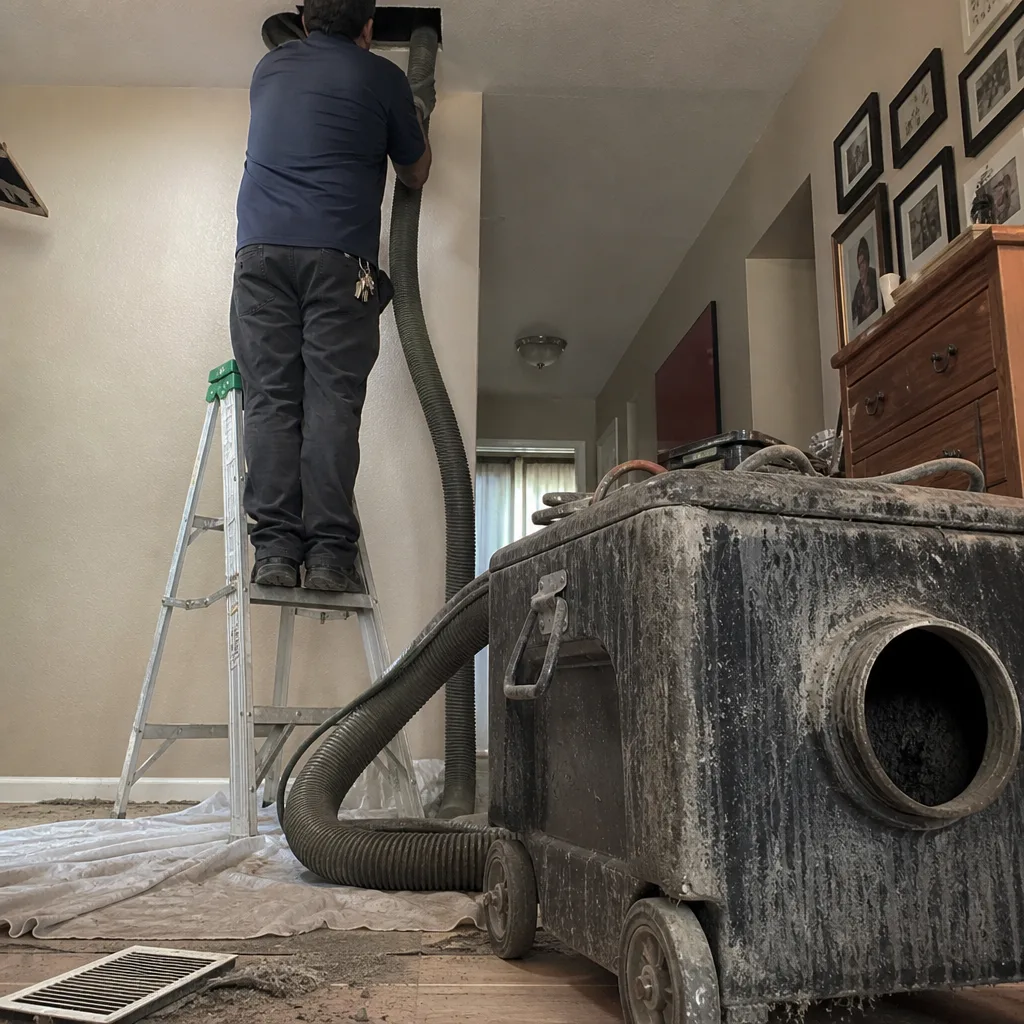 Before
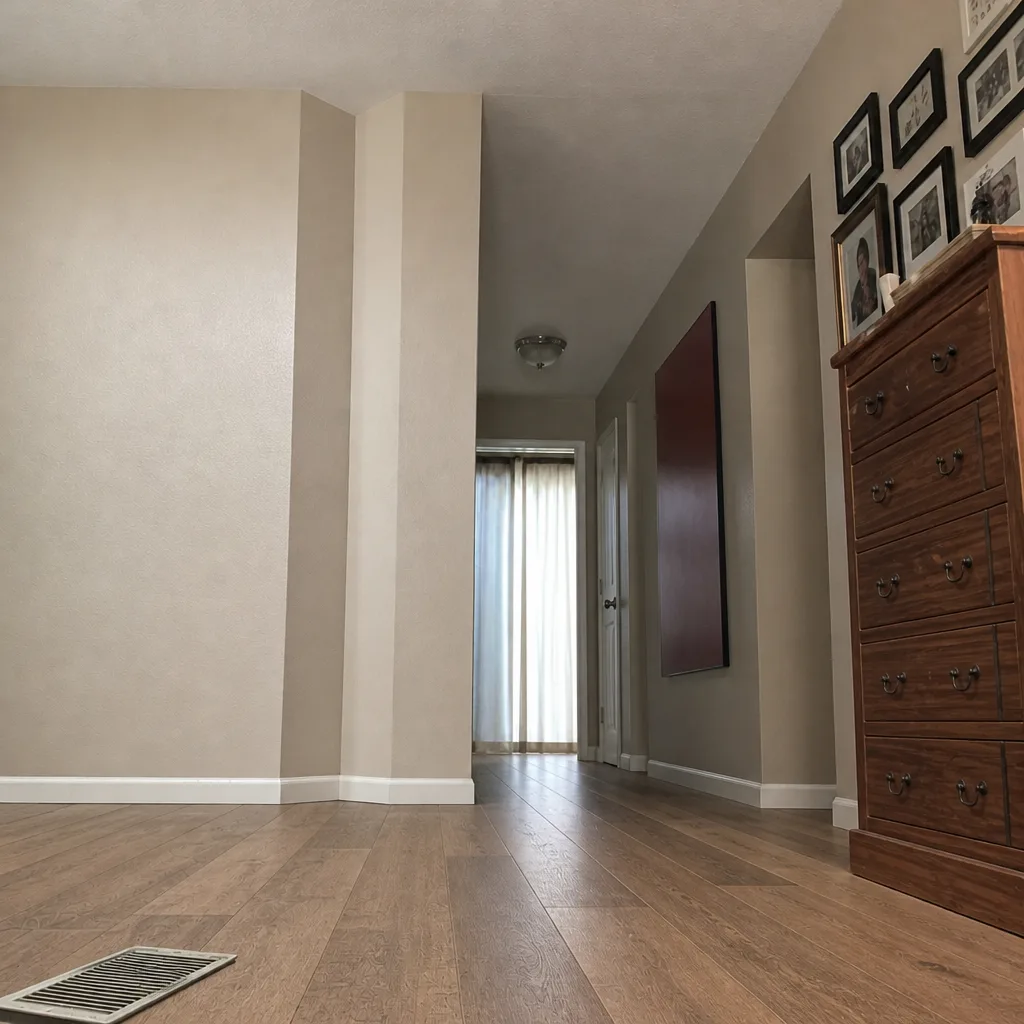 After