
Last updated November 4, 2026
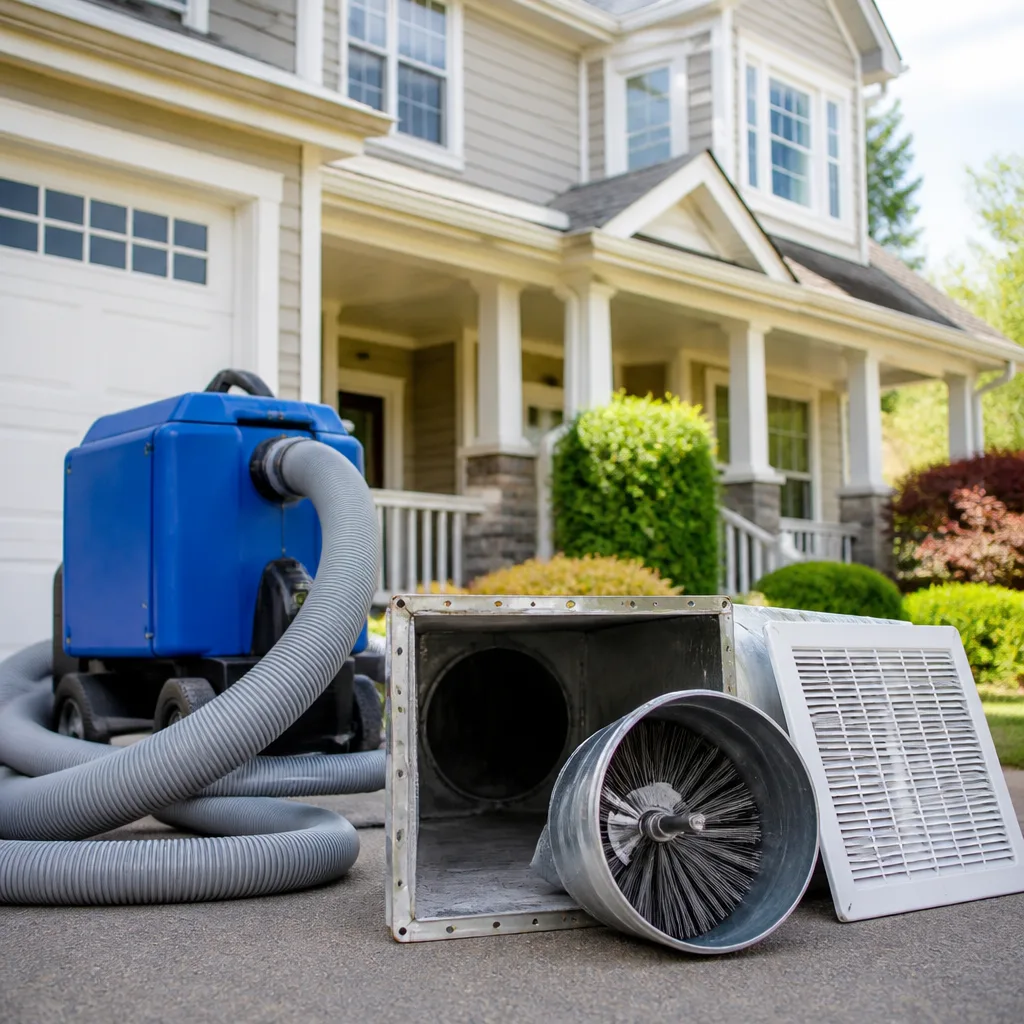 Whole-home duct cleaning
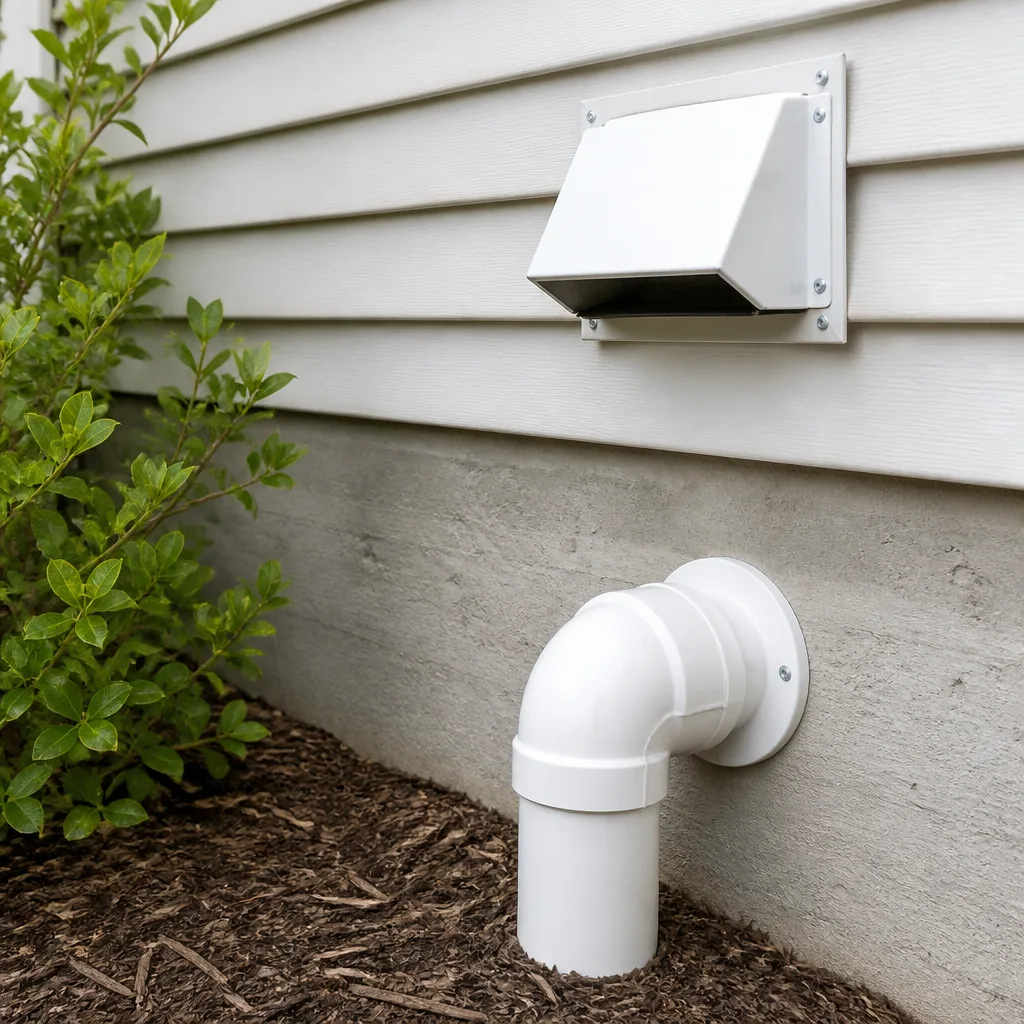 Dryer vent cleaning
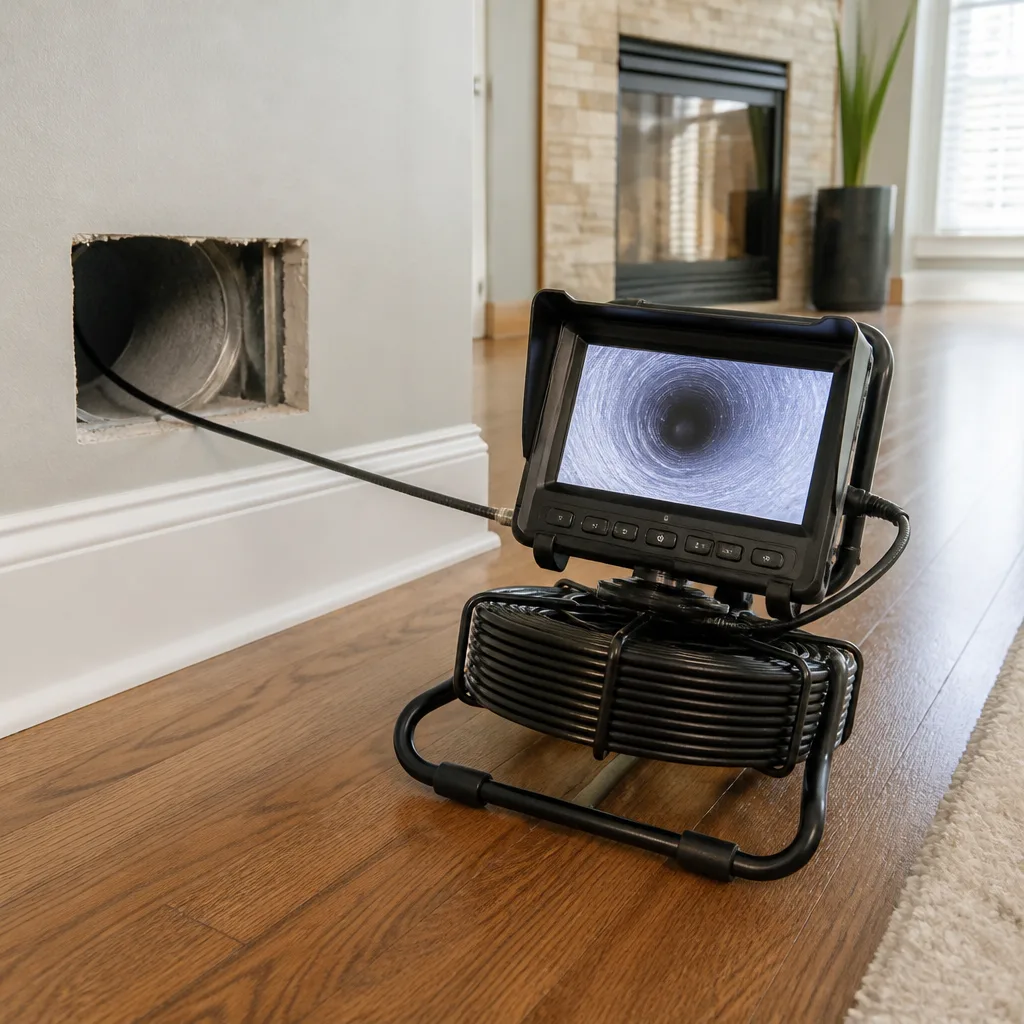 Camera inspection
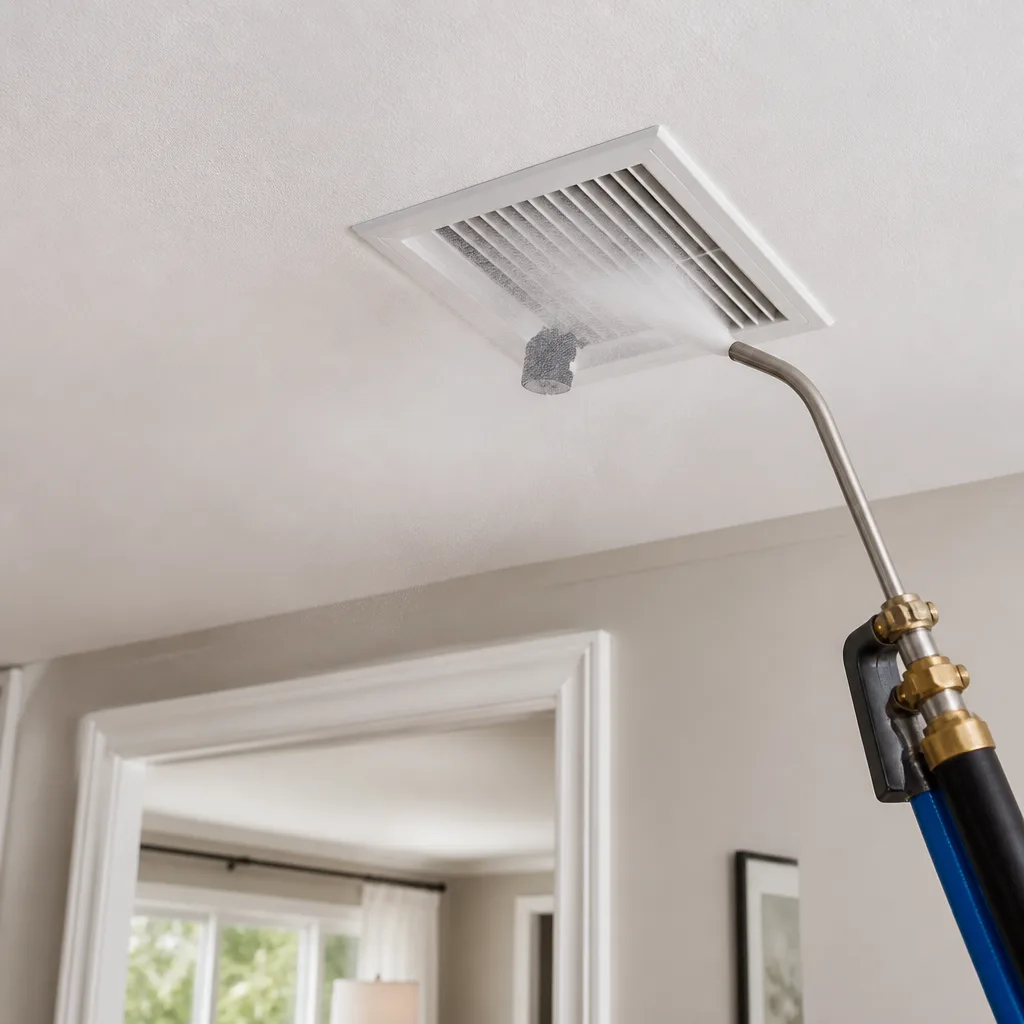 Sanitizing & deodorizing
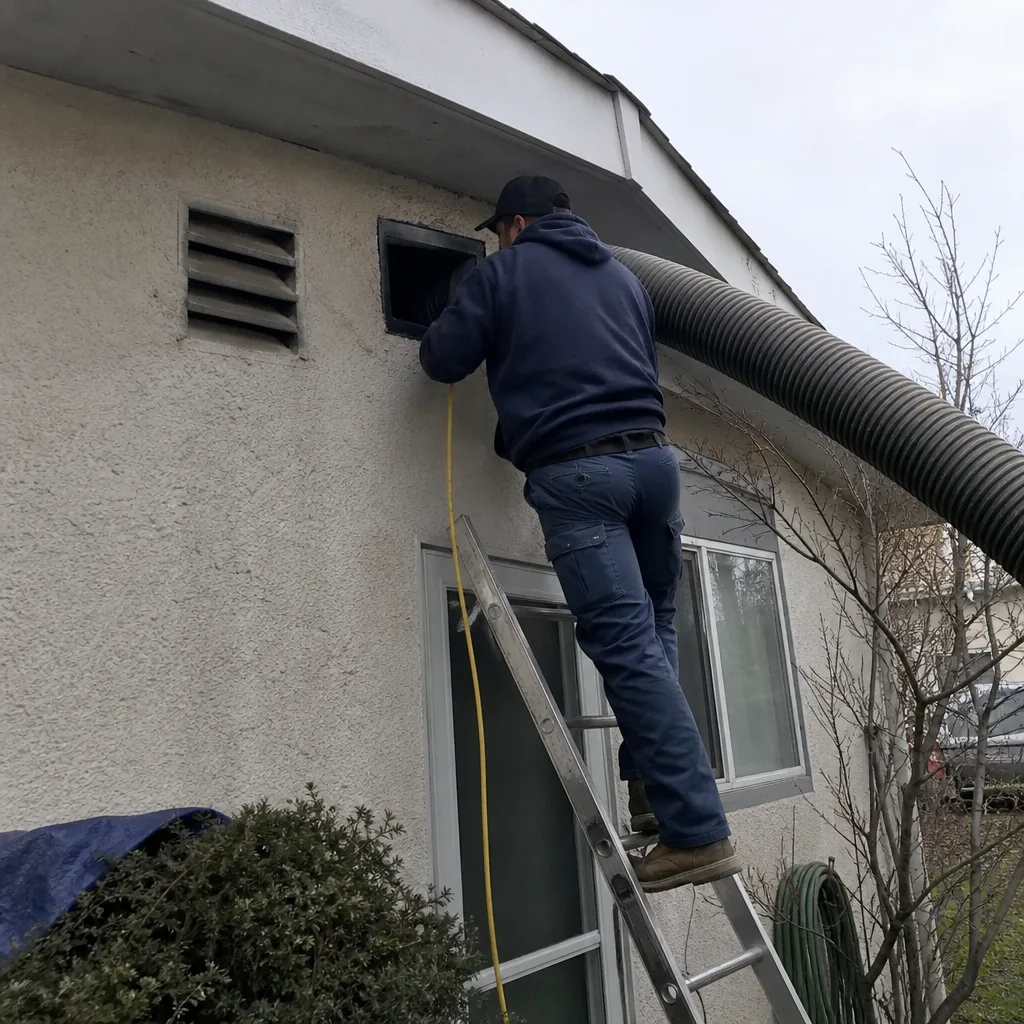
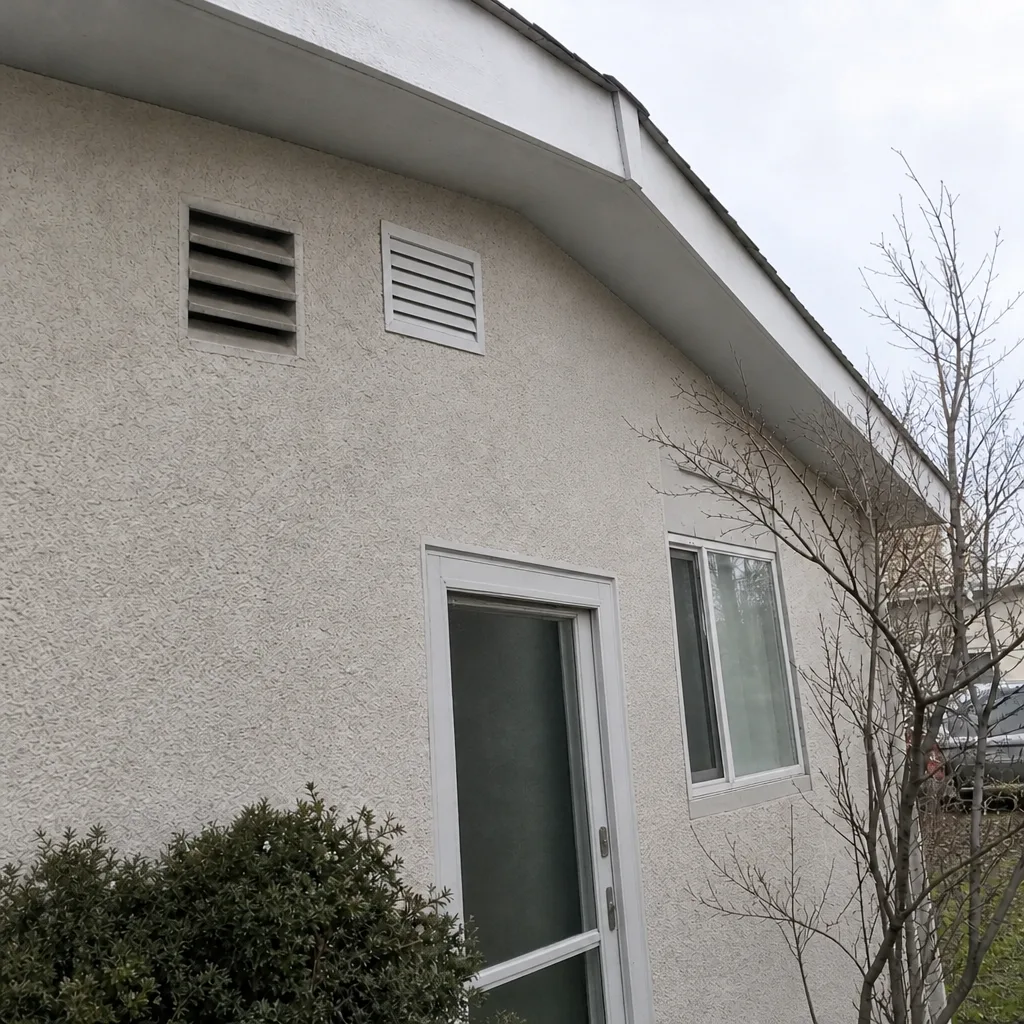
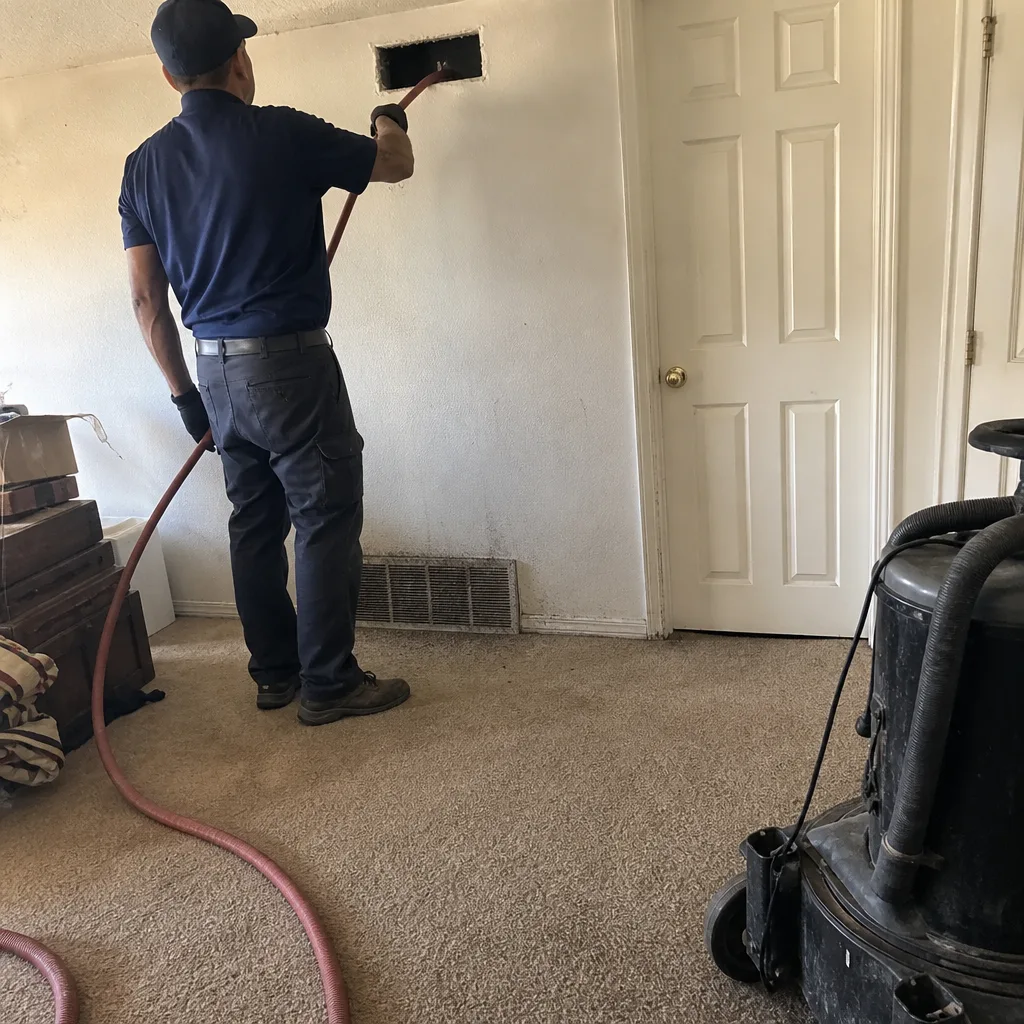
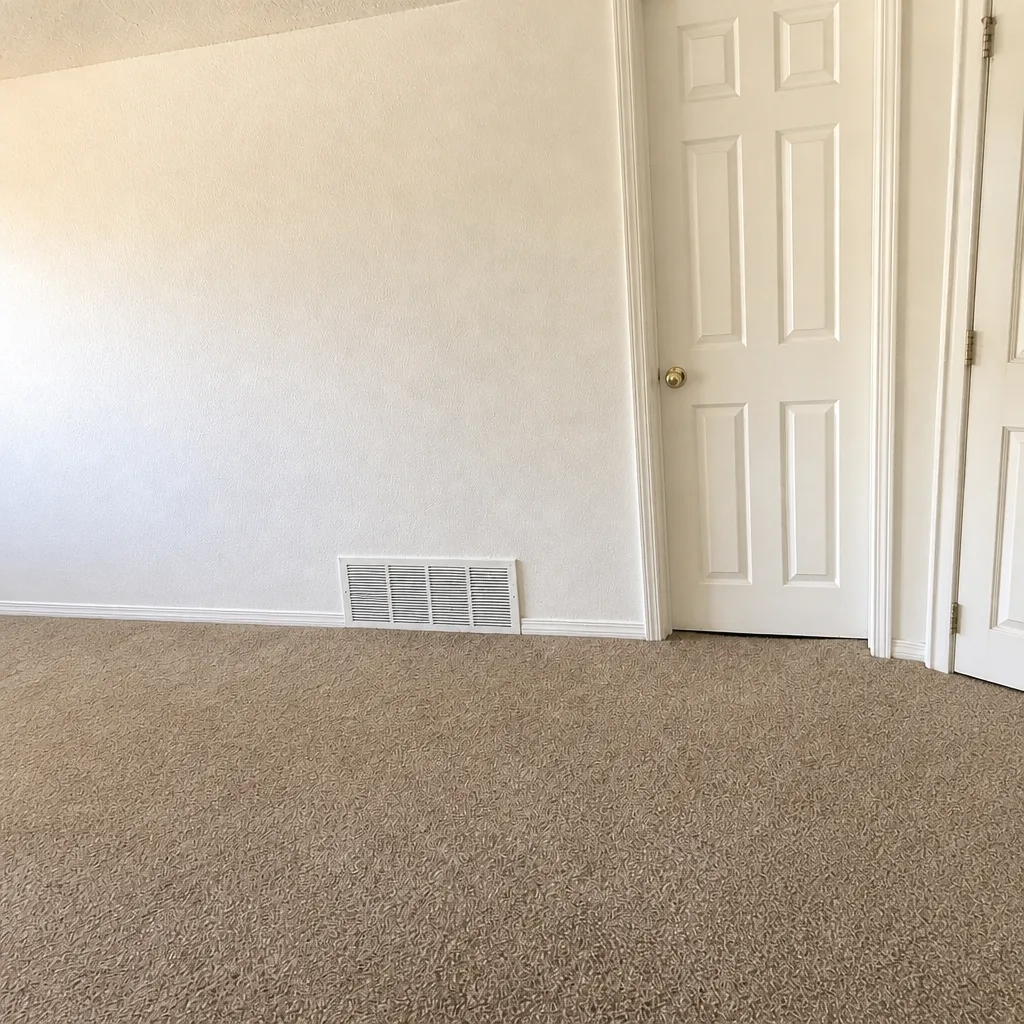
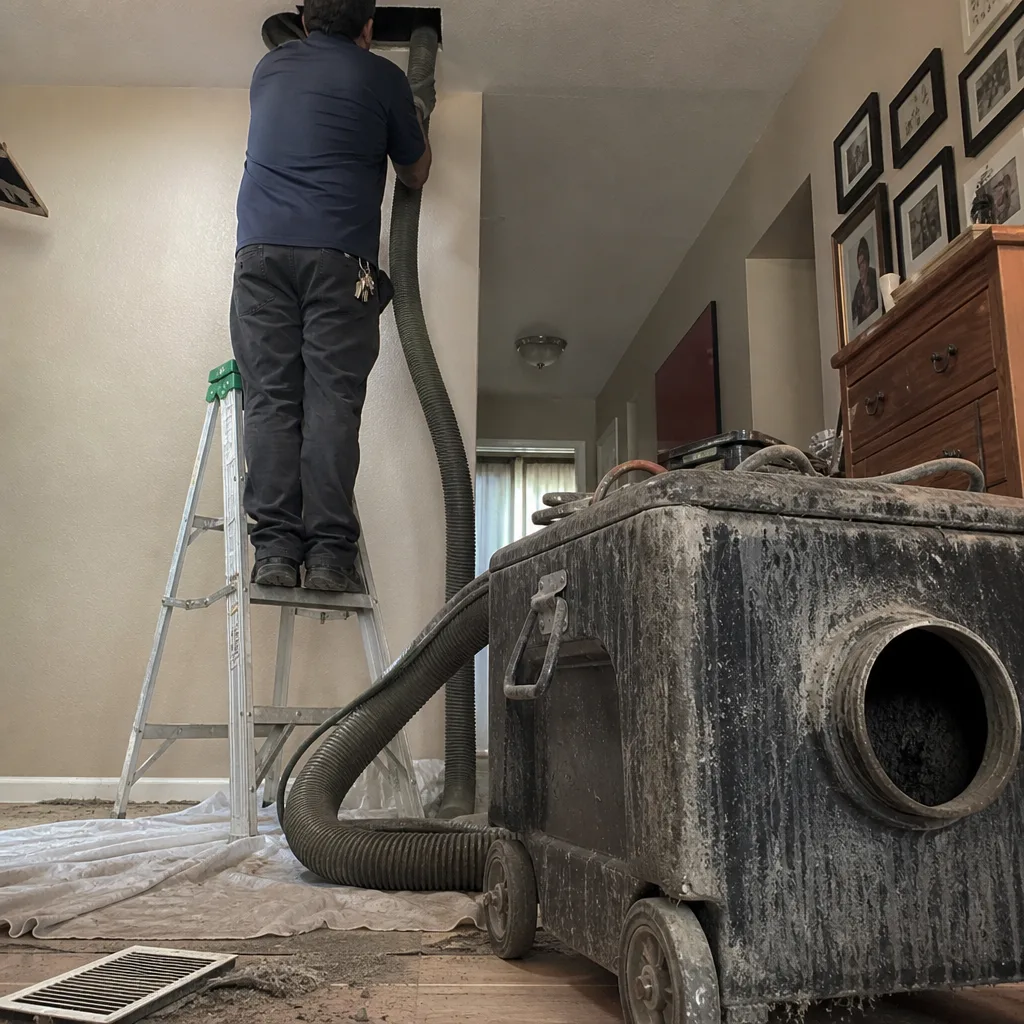
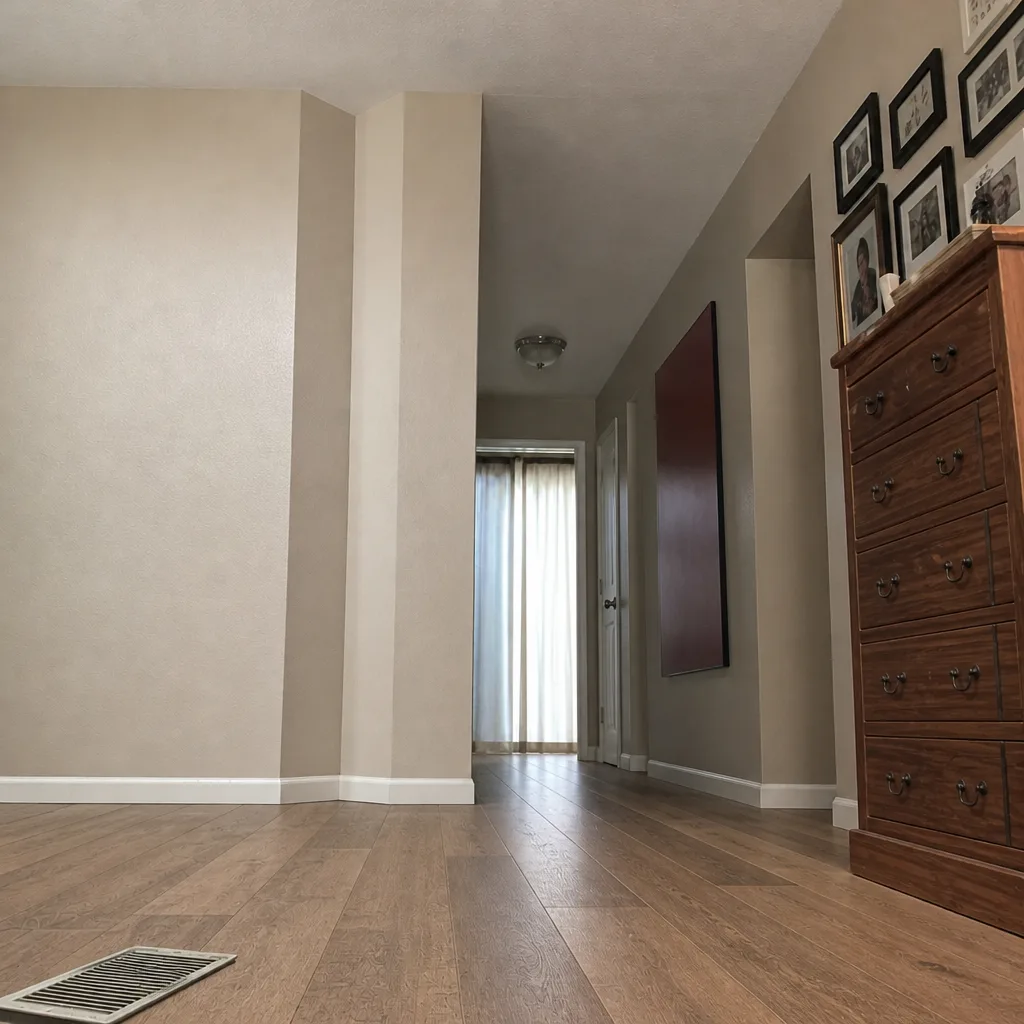
Whole-system duct and dryer vent check with before-and-after photos - you see exactly what came out of your vents
That "$99 whole-house special" is a bait ad - the real number appears once they are in your hallway, or the "clean" is a shop-vac at the register. We photograph the inside of your ducts before and after instead.
Air Duct Cleaning Troubleshooting in Gilroy: Common Problems and How to Fix Them
Here’s the uncomfortable truth most Gilroy homeowners discover the hard way: a lot of what gets blamed on “dirty ducts” isn’t actually about dirt at all. Weak airflow, a musty smell that returns two weeks after a professional cleaning, or a room that never seems to heat or cool properly often points to a mechanical problem hidden inside the ductwork. A collapsed flex run, a damper that got bumped shut, or a previous cleaning job that dislodged debris without capturing it. This guide walks through the most common duct problems we see in Gilroy homes, how to identify what you’re dealing with, and what actually fixes it versus what just masks the symptom for a month.
Styles & brands we work with
- Whole-home duct cleaning
- Dryer vent cleaning
- Camera inspection
- Sanitizing & deodorizing
Quick Answer
Most duct cleaning problems in Gilroy fall into three buckets: mechanical failures like collapsed or disconnected flex duct, contamination issues from dust and agricultural particulate, and botched previous cleanings that left debris behind. The fix depends on which one you have. Airflow problems usually point to a structural issue inside the duct run itself, while persistent odors and dust usually mean contamination or a moisture source that was never addressed. Before calling anyone, check your visible ductwork in the attic or crawl space, inspect your filter, and note whether the problem started suddenly or gradually.
Table of Contents
- Why Is My Airflow So Weak? Duct Contamination vs. Mechanical Failure
- Why Did My Airflow Get Worse After a Duct Cleaning?
- Musty Odor Returns Weeks After Cleaning: What’s Actually Happening
- How to Verify a Duct Cleaning Was Actually Done Right
- Gilroy’s Specific Dust Problem: Dry Summer Load and Agricultural Particulate
- Dryer Takes Two Cycles? That’s a Vent Problem, Not a Dryer Problem
- Common Mistakes to Avoid
- When to Call a Professional
- Frequently Asked Questions
- The Bottom Line
Why Is My Airflow So Weak? Duct Contamination vs. Mechanical Failure
Weak airflow is the number one complaint we hear from Gilroy homeowners, and here’s what most people get wrong: they assume the ducts are clogged with dust and a good cleaning will solve it. Sometimes that’s true. More often, the duct itself has a structural problem. A flex duct that sagged off its hanger and kinked like a garden hose. A section that pulled loose from the register boot. A damper that got moved during a previous service visit and never opened back up. These mechanical failures restrict air movement far more than a layer of dust ever will.
Here’s how to tell the difference before you spend money on a service call:
- Check the registers. Hold a tissue near each supply register with the system running. If one room barely moves the tissue while others blow it almost horizontal, you likely have a restriction in that specific duct run, not a whole-system contamination issue.
- Walk the visible ductwork. In most Gilroy homes, ductwork runs through the attic or crawl space. Grab a flashlight and look for obvious sagging, kinked flex runs, or sections that have pulled apart at the seams. If you see a flex duct pinched under a stored box in the attic, that’s your airflow problem.
- Inspect the return side. A collapsed or undersized return duct is the silent airflow killer. Check for crushed sections on the return plenum and make sure furniture or stored items haven’t blocked return grilles.
- Note when it started. Sudden airflow loss after a service visit, renovation, or a windy storm suggests something physically changed. Gradual decline over years points to accumulating debris and filter neglect.
If you find contamination but no obvious mechanical problem, that’s where a professional air duct cleaning makes sense. But if you spot a kinked flex run or a separated joint, cleaning won’t fix it. You need Duct Cleaning Gilroy to repair the duct itself. We inspect before we clean and repair what needs repairing, not every company does both.
Why Did My Airflow Get Worse After a Duct Cleaning?
This is the scenario that makes homeowners skeptical of the entire industry, and honestly, it should. If your airflow got worse after a cleaning, the technician likely dislodged debris without capturing it. Here’s the mechanism: a low-powered vacuum rig pulls maybe 1,000 to 1,500 CFM of negative pressure through the duct. That’s enough to loosen dust, pet hair, and construction debris from the duct walls. It’s not enough to keep that debris suspended and pull it all the way to the collection point. The loosened material travels downstream until the vacuum’s pull weakens, then it settles. Often right at the next bend, the next register boot, or the next transition fitting. The result is a duct system that’s now partially blocked by the very material the cleaning was supposed to remove.
This is a known failure mode of consumer-grade equipment, and it’s the main reason we run Nikro HEPA-rated vacuum equipment on every job. The unit maintains consistent negative pressure through the entire cleaning process, so what we loosen doesn’t re-enter your living space. Our Rotobrush contact-cleaning system mechanically scrubs the duct wall, but the debris goes somewhere the moment the brush breaks it free. Without a vacuum pulling hard enough to capture it immediately, that debris just relocates. We run the Nikro the entire time, and we verify the negative pressure before we start. On heavily contaminated or post-renovation systems, we add Abatement Technologies air filtration units to maintain negative pressure containment, so nothing escapes into the home during the process.
If a previous cleaning left you with worse airflow, the fix usually requires a re-clean with proper equipment and a careful inspection of the problem areas where debris settled. We’ve seen jobs where a homeowner paid twice: once for the botched job, once for us to fix it. A reputable contractor in Gilroy should be able to show you their equipment and explain their capture method before they start. If they can’t tell you what vacuum system they run and how many CFM it pulls, that’s your answer.
Musty Odor Returns Weeks After Cleaning: What’s Actually Happening
A musty smell that comes back weeks after a duct cleaning is one of the most frustrating problems in this trade, because the homeowner did everything right. They hired a professional, paid for the service, and the smell disappeared for a few weeks. Then it crept back. What’s going on is usually one of two things, and they require very different fixes.
The first possibility: residual spore presence. If mold or mildew had established itself in the duct lining or on the coil surface, a standard cleaning removes the visible growth and the smell temporarily clears. But the root system remains in porous materials, and within weeks the odor returns as the colony re-establishes. A borescope inspection reveals what a surface-level cleaning misses. We can run a camera down the duct and show you exactly what the liner looks like before we recommend anything.
The second possibility, and honestly the more common one in Gilroy: a moisture source that was never addressed. Ducts don’t generate moisture on their own. They get wet from something else. A condensation drip from a coil pan that isn’t draining. A bathroom exhaust vent that terminates in the attic instead of the exterior wall. A roof leak that tracks down into the supply plenum. A disconnected dryer vent dumping humid air into the crawl space. If the cleaning removed the organic material but the moisture source remains, the musty smell will return. It’s not a re-contamination, it’s the same problem with the root cause untouched.
Here’s the diagnostic order we follow in Gilroy homes:
- Check the condensate drain. A clogged coil pan drains slowly, keeping the area damp and feeding microbial growth.
- Verify bathroom and kitchen exhaust termination. These vents should exit through the roof or exterior wall, never into the attic.
- Look for a moisture barrier issue in the crawl space. Gilroy’s dry summers and wet winters mean crawl spaces that are damp for months at a time.
- Borescope the duct liner. See if the musty odor is coming from contaminated duct material or from a separate moisture source.
If the source is a moisture problem, no amount of re-cleaning solves it. You need the moisture source fixed first, then the contaminated duct addressed. If your system has Honeywell or Aprilaire components, we know how to work around them without voiding your setup, and we can advise on whether your filtration is adequate for the conditions.
How to Verify a Duct Cleaning Was Actually Done Right
You can’t see inside your ducts after the technician leaves. That’s the fundamental trust problem in this industry, and it’s why so many Gilroy homeowners have been burned. They paid for a service they couldn’t verify, and they have no idea if the system was actually cleaned or if the technician just vacuumed the registers and moved on. Here’s what a verifiable duct cleaning looks like, and how to make sure you’re getting one.
Demand before-and-after documentation. A professional technician with a borescope or inspection camera can show you the condition of your ducts before cleaning starts and after it finishes. We do this on every job. You should see the debris on the duct walls before, and clean metal or clean flex liner after. If the company resists showing you this, that’s not modesty. That’s a red flag.
Ask for the debris collection. Our Nikro HEPA system traps the removed material in a collection container, not just into a bag that disappears into the truck. We can show you what came out of your system. Dry gray dust, pet hair, drywall powder from a renovation, maybe a few toy cars from the kids’ rooms. It should look familiar, because it came from your house. A legitimate contractor won’t hide the evidence of their work.
Check the filter weight before and after. This is a simple test you can do yourself. Put a fresh filter in before the cleaning. If the company claims to have removed significant debris, the filter should still be relatively clean afterward. If the new filter is already clogged with dust within a week, they either didn’t clean the system or their equipment recirculated debris into your home. We use Rotobrush contact-cleaning, the brush physically scrubs the duct wall, debris doesn’t just get blown toward the next register.
Verify negative pressure was maintained. Ask what vacuum equipment they run and what CFM rating it pulls. A serious duct cleaning operation uses a vacuum that pulls at least 2,000 CFM through the system. Lower than that and the debris capture problem we described earlier becomes likely. Our Nikro HEPA vacuum runs the entire time, so what we loosen doesn’t re-enter your living space.
Gilroy’s Specific Dust Problem: Dry Summer Load and Agricultural Particulate
Gilroy has a contamination profile that’s different from what you’d find in San Jose or the coastal Bay Area communities. The city sits in the southern Santa Clara Valley, surrounded by agricultural land that gets worked year-round. Our summers run long and dry, with temperatures routinely in the 80s and 90s and almost no rainfall from May through October. That combination creates a specific dust signature in residential ductwork.
During the dry months, the ground in the surrounding agricultural areas dries out completely. Field work kicks up fine mineral dust that carries for miles. The prevailing afternoon winds push that dust into Gilroy’s residential neighborhoods. Homes with central air conditioning run their systems constantly through the peak heat, pulling that dust into the return plenum and distributing it through the ductwork. The result is a fine, powdery, gray-brown dust that coats duct walls, registers, and filter media far faster than the coastal marine-layer dust you’d see in Monterey or Santa Cruz.
There’s also the agricultural component. Depending on where in Gilroy you live, you might be downwind of garlic processing, hay baling, or field preparation. That adds organic particulate to the mix. Organic dust holds moisture differently than mineral dust, and it provides a better substrate for microbial growth when combined with the humidity from a condensation drip or crawl space moisture. If you live east of 101 near the agricultural buffer zones, your duct contamination will look different from a home in the downtown core or the western hills, where it’s mostly residential dust with a heavier pollen component from the oak and eucalyptus.
What this means practically: Gilroy homes in agricultural-adjacent zones need duct cleaning more frequently than the standard recommendation, and they benefit from better filtration than the basic one-inch fiberglass filters many homes still run. We work with Honeywell and Aprilaire IAQ components, so we can advise on whether your current filtration is adequate for the particulate load your specific neighborhood generates. A standard filter might be fine for a home three blocks from downtown. It might be overwhelmed by the dust load on a property backing up to a working field.
If you’re in Gilroy and your home sits on the agricultural edge, inspect your filter monthly through the summer. If it loads up in 30 days or less, you’re breathing whatever your filter can’t catch, and your ducts are accumulating the rest.
Dryer Takes Two Cycles? That’s a Vent Problem, Not a Dryer Problem
Here’s a situation we see regularly in Gilroy homes: the dryer takes two full cycles to dry a normal load, so the homeowner assumes the dryer is failing. They call an appliance repair tech, pay for a service call, and the technician tells them the dryer is fine. The real problem is in the vent run. A restricted dryer vent reduces airflow through the drum, which means moisture doesn’t evacuate properly, which means clothes stay damp longer. The dryer isn’t broken. It’s suffocating.
Dryer vent blockage is a fire hazard. Lint accumulates in the vent pipe over time, especially in the flexible foil or plastic transition hoses that many homes still use. The lint traps heat, the restricted airflow lets temperatures climb, and the combination creates ideal conditions for ignition. The National Fire Protection Association has consistently identified dryer vent fires as a leading cause of residential structure fires. That’s not a scare tactic, it’s the reason we clean dryer vents as a dedicated service, not as an add-on.
Here’s what you can check in Gilroy before calling anyone:
- Feel the airflow at the exterior vent termination. With the dryer running, go outside and find where the vent exits your home. The airflow should feel strong and warm. If it’s weak, you have a restriction.
- Check the exterior termination for a blocked flap. Birds, rodents, and even wasps build nests in exterior vent hoods. Make sure the flap opens freely when the dryer runs.
- Pull the dryer out and inspect the transition hose. If it’s crushed against the wall, kinked, or sagging with accumulated lint, that’s your airflow restriction.
- Count the vent run length. A long vent run with multiple elbows, common in homes where the laundry room sits in the center of the house, accumulates lint faster than a short straight run to an exterior wall.
Dryer vent cleaning involves clearing the entire run from the dryer connection to the exterior termination, not just what’s reachable from the outside. We clear it, measure airflow, and confirm the vent exhausts properly before we leave. If the vent run is damaged, disconnected, or made from improper materials, we can repair or replace it as part of the same service call. One company handles diagnosis through resolution.
Common Mistakes to Avoid
- Assuming weak airflow always means dirty ducts. In our experience, a significant portion of airflow problems in Gilroy homes trace back to a kinked flex run, a closed damper, or a disconnected joint. Before paying for a cleaning, check the visible ductwork yourself. A quick attic or crawl space inspection costs nothing and often reveals the real problem.
- Hiring a coupon duct cleaner without asking about equipment. The $99 whole-house special exists because the technician is in and out in 40 minutes with a shop-vac attached to the register. That’s not duct cleaning. Ask what vacuum system they run and what CFM it pulls. If they can’t answer, hang up.
- Ignoring a musty odor because it comes and goes. A smell that fades when the AC runs and returns when it shuts off often points to moisture in the system. Waiting lets the underlying issue, whether it’s a clogged condensate drain or a crawl space moisture problem, get worse and more expensive to fix.
- Running the cheapest one-inch filter and expecting clean ducts. The filter’s job is to protect the equipment and catch airborne particulate. A $3 fiberglass filter catches almost nothing. In Gilroy’s agricultural-adjacent zones, that means everything your filter misses lands in your ductwork or your lungs.
- Replacing the dryer when the vent is the problem. We’ve seen homeowners in Gilroy buy a new dryer because the old one “took forever,” only to find the new dryer does the same thing. The restriction was in the vent run the whole time. Clean the vent first, then replace the dryer if it’s actually failing.
- Hiring a generalist HVAC company for a duct-only problem. Most HVAC contractors treat duct cleaning as a checkbox item. Their core business is installation and repair, and duct cleaning gets the minimum effort. A focused Duct Cleaning Gilroy specialist has dedicated equipment and process built around this specific task, not as an afterthought.
- Forgetting that duct cleaning and duct repair go together. If your duct system has a disconnected joint, a cleaning just pushes air out through the gap. The system needs repair first, then cleaning. Hiring a company that only cleans means you’ll be calling someone else to fix the mechanical problem, and paying for two service visits instead of one.
When to Call a Professional
Some duct problems are obvious and safe to address yourself: a blocked return grille, a crushed flex run you can see and reposition, a filter that’s overdue for replacement. But several scenarios call for a trained technician with professional equipment. If you’ve noticed weak airflow in one zone and can’t find the cause in visible ductwork, the problem is likely deeper in the system. If a musty odor returns despite a previous cleaning, you need a borescope inspection to see what’s actually happening on the duct liner. If your dryer takes two cycles and the exterior vent feels weak, the blockage may be inside the wall or crawl space where you can’t reach it safely. And if a previous cleaning left you with worse airflow, you need a re-clean with proper capture equipment. Duct Cleaning Gilroy offers free estimates in Gilroy, call (833) 589-9833. We answer 24/7. Fast dispatch from 7am to 7pm, Sunday through Friday.
Frequently Asked Questions
Check your airflow pattern first. If air is weak in one specific room or zone but strong elsewhere, the issue is usually mechanical: a kinked flex run, closed damper, or disconnected joint. If airflow is weak throughout the house and the filter loads up quickly, contamination is more likely. Walk your visible ductwork in the attic or crawl space and look for obvious problems before calling anyone. In Gilroy homes, mechanical restrictions are at least as common as contamination problems.
The previous technician likely dislodged debris without capturing it. Underpowered vacuum rigs pull less than 2,000 CFM, which loosens dust and debris from the duct walls but can’t keep it suspended long enough to reach the collection point. The debris settles at the next bend or register boot, creating a new blockage. A proper re-clean with equipment like our Nikro HEPA vacuum system removes the relocated debris. Call (833) 589-9833 for an exact quote, estimates are free.
The frequency depends on your specific exposure. Homes in agricultural-adjacent zones east of 101 accumulate dust faster than homes in the downtown core due to field work and dry summer particulate. If your filter loads up in 30 days or less through the summer, your ducts are accumulating whatever the filter isn’t catching. Most Gilroy homes we see benefit from a professional cleaning every 3 to 5 years, with homes near working fields sometimes needing attention more frequently.
Only if the moisture source is identified and addressed. If the smell returned after a previous cleaning, something is still generating moisture in or near the duct system. A borescope inspection can determine whether the odor comes from residual contamination on the duct liner or from a separate moisture source like a clogged condensate drain, a bathroom vent terminating in the attic, or a crawl space moisture problem. Cleaning without fixing the moisture source means the smell returns.
Ask for before-and-after visual documentation from a borescope or inspection camera. Ask to see the debris collection container and confirm the material looks like it came from your home. Check that your filter stays clean in the days following the service. And ask what vacuum equipment they run and its CFM rating. A contractor who refuses any of these verification steps is a warning sign. Call (833) 589-9833 for an exact quote, estimates are free.
Yes. Lint accumulation in the vent run restricts airflow, which allows heat to build up in the dryer and the vent pipe. The combination of restricted airflow, accumulated lint, and high temperatures creates conditions for ignition. This is why we clean dryer vents as a dedicated service, measure airflow afterward, and confirm the vent exhausts properly. If your dryer takes two cycles to finish a load, the vent is the most likely culprit and it needs attention.
The Bottom Line
Duct cleaning problems in Gilroy break down into three categories: mechanical failures that restrict airflow, contamination issues from the region’s dry summer dust and agricultural particulate, and residual problems from a previous cleaning that used inadequate equipment. The fix is different for each. Walk your visible ductwork before calling anyone. Check your filter. Note when symptoms started. If you need a cleaning, demand verification and ask about equipment. If you need a repair, hire a company that can fix both. Duct Cleaning Gilroy has served Gilroy since 2011, and we handle diagnosis, cleaning, and repair in one visit. Call (833) 589-9833 for a free estimate. We answer 24/7. Fast dispatch from 7am to 7pm, Sunday through Friday.
Written by the team at Duct Cleaning Gilroy, serving Gilroy since 2011.
See the difference
 Before
 After
 Before
 After
 Before
 After