
Last updated November 4, 2026
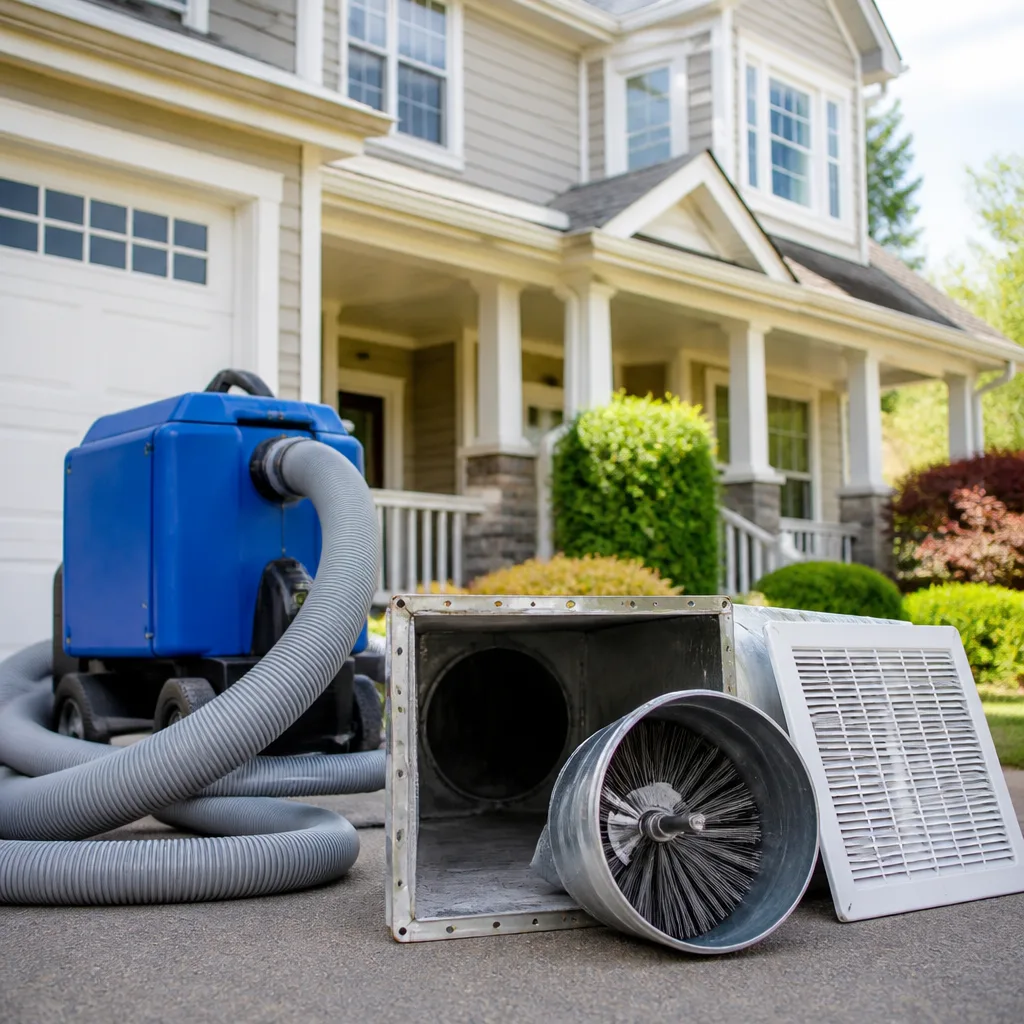 Whole-home duct cleaning
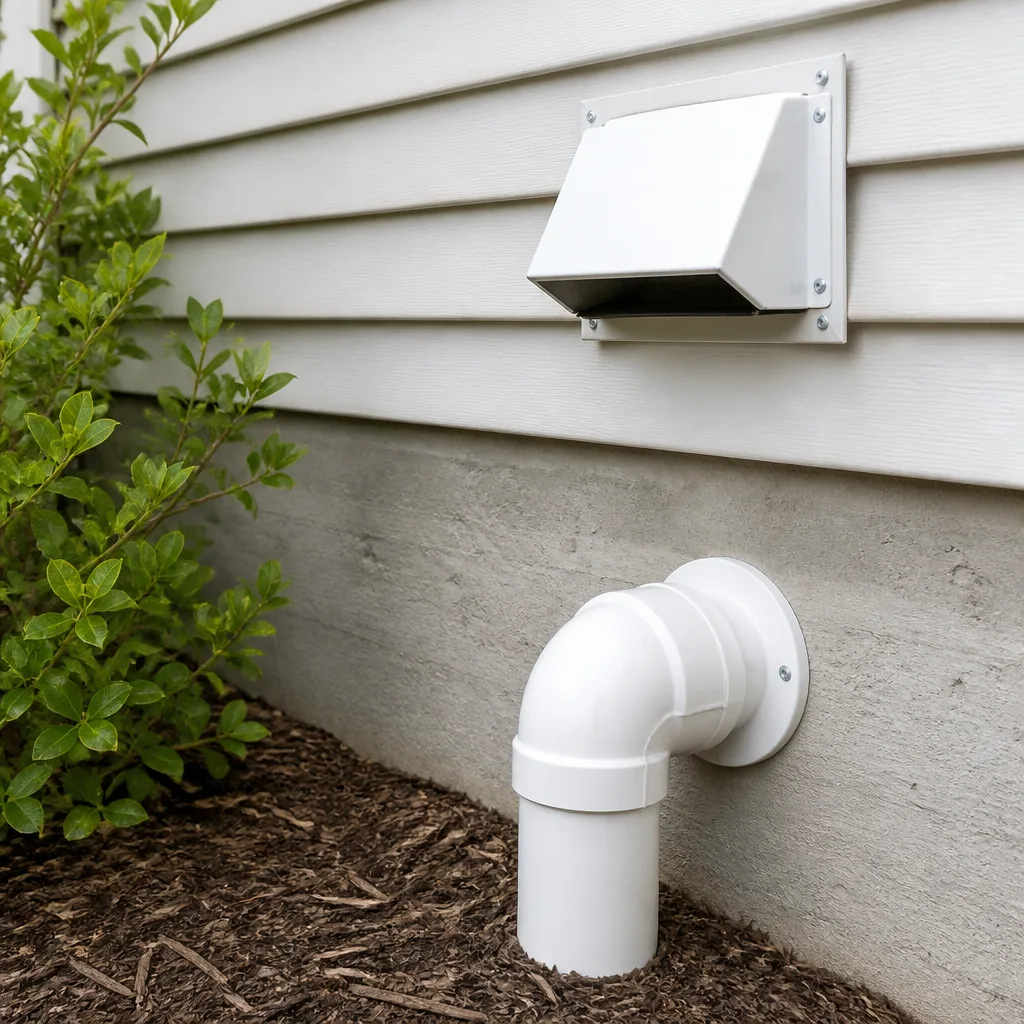 Dryer vent cleaning
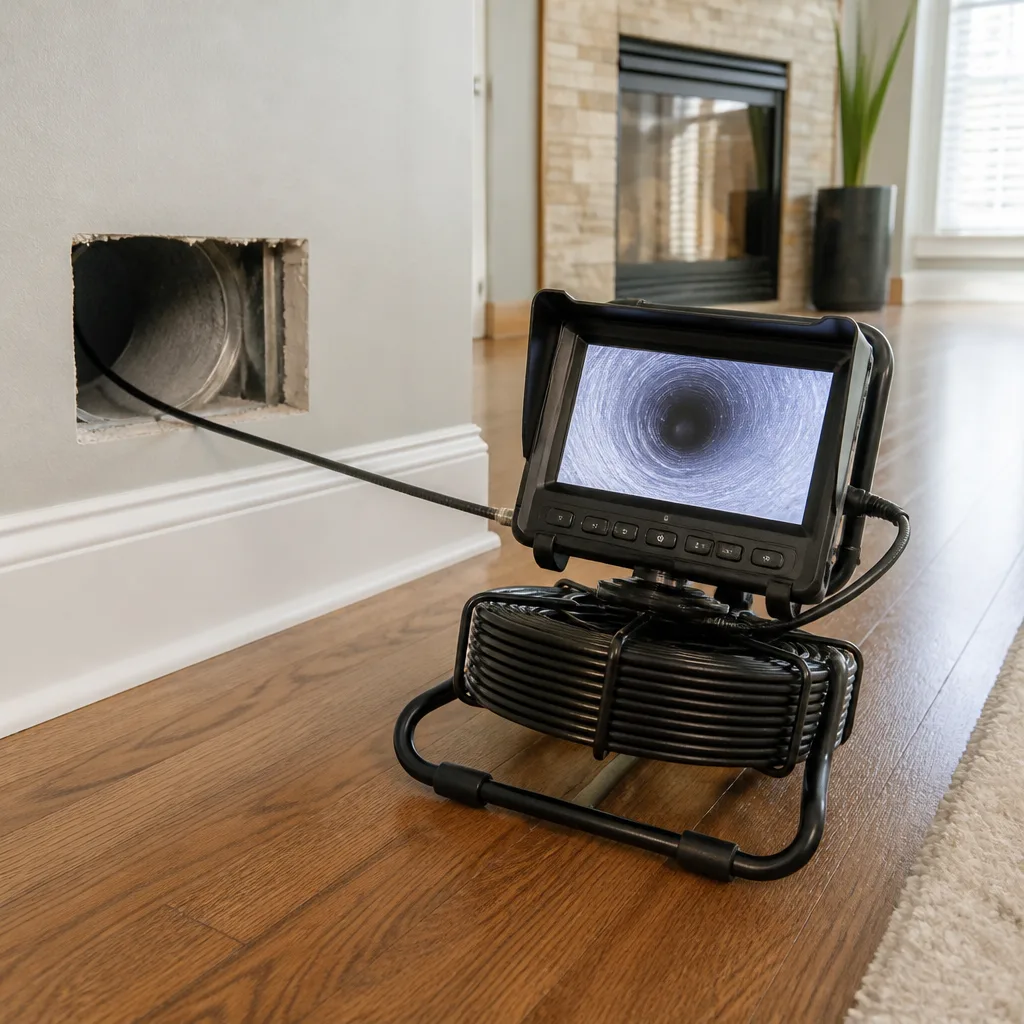 Camera inspection
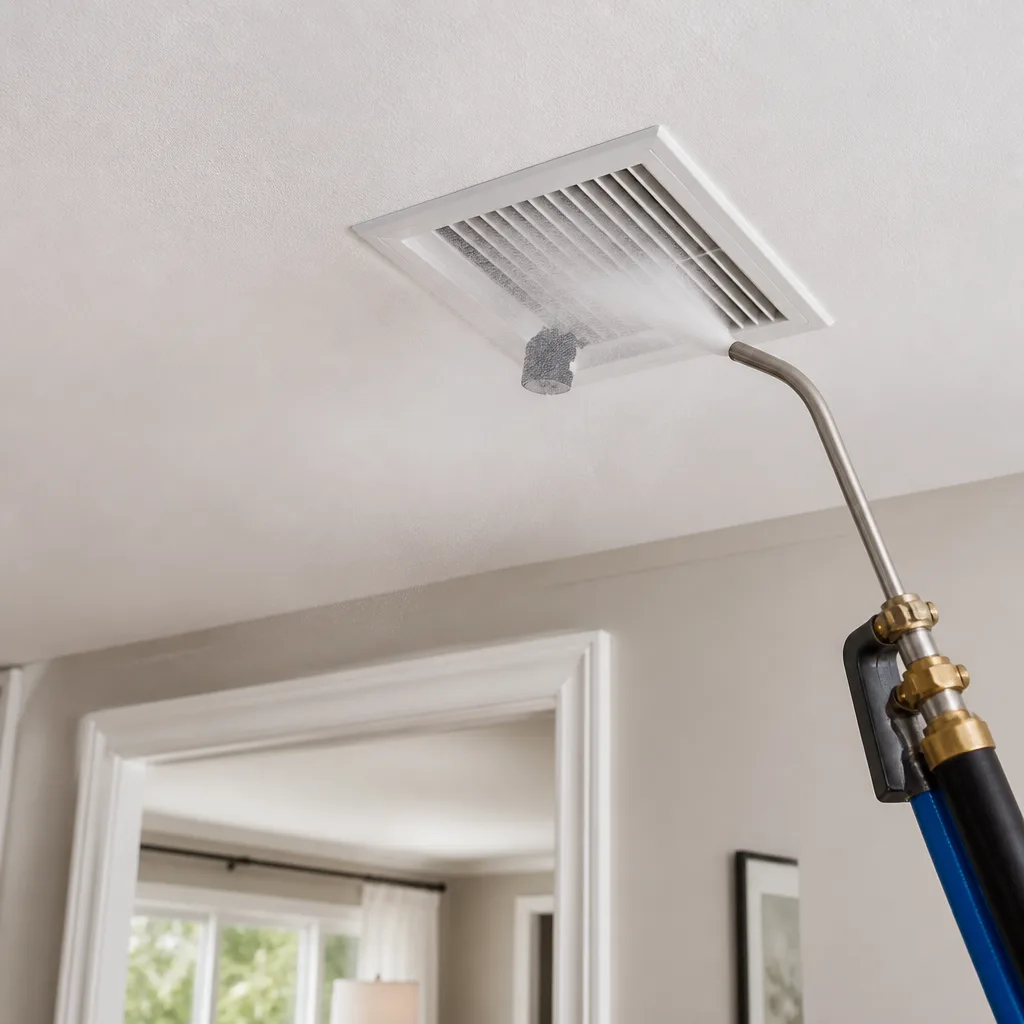 Sanitizing & deodorizing
Whole-system duct and dryer vent check with before-and-after photos - you see exactly what came out of your vents
That "$99 whole-house special" is a bait ad - the real number appears once they are in your hallway, or the "clean" is a shop-vac at the register. We photograph the inside of your ducts before and after instead.
Air Duct Cleaning Warning Signs: A Gilroy Homeowner’s Reference Guide
Dust on a register grille often has nothing to do with what’s inside your duct system. It’s surface accumulation from room air, and you’d find it in a brand-new house after two weeks of open windows. The signals that actually matter are subtler. They involve airflow, smell timing, and what you see when a flashlight goes into the duct boot, not what you see on the face of the grille. This guide walks through the diagnostic signs we look for as Duct Cleaning Gilroy technicians, and we’ve organized it so a Gilroy homeowner can run the same checks in about fifteen minutes. By the end, you’ll know whether your system needs cleaning, repair, or nothing at all.
Styles & brands we work with
- Whole-home duct cleaning
- Dryer vent cleaning
- Camera inspection
- Sanitizing & deodorizing
Quick Answer
The clearest warning signs that your air ducts need cleaning in Gilroy are uneven airflow between rooms, a musty or dusty smell that persists more than 20 minutes after your furnace or AC starts, visible debris inside the duct boot when you shine a flashlight past the register, and a return-air filter that loads up unnaturally fast. Surface dust on grilles alone is not a reliable indicator. If you have any of the four systemic signals, call (833) 589-9833 for a free estimate from our team.
Table of Contents
- The Airflow Differential Test
- Smell Timing: Startup Odor vs. Persistent Contamination
- The Flashlight-and-Mirror Duct Boot Inspection
- Gilroy-Specific Triggers That Move Cleaning to Urgent
- The Filter Inspection Shortcut
- When Ducts Need Repair, Not Just Cleaning
- Common Mistakes to Avoid
- When to Call a Professional
- Frequently Asked Questions
- The Bottom Line
The Airflow Differential Test
Rooms in a house rarely have identical airflow, but the difference between rooms should be small enough that you don’t notice it. When one bedroom feels noticeably warmer in summer or colder in winter than the hallway outside it, that’s a signal. In our experience, the most common cause is not a failing blower motor. It’s a restriction in the branch duct feeding that room, and the restriction usually sits where the duct boot meets the floor or wall.
Here’s the test we recommend. It takes five minutes and requires no tools:
- Set your thermostat fan to “On” so the blower runs continuously. Wait two minutes.
- Hold your hand two inches from a register in a room you consider comfortable. Note the force of the air.
- Walk to the room you suspect is getting weak airflow. Hold your hand the same distance from that register.
- Compare. If the weak room feels like a quarter or less of the airflow in the comfortable room, something is restricting that branch.
What the differential tells you is where the blockage likely sits. If every register on one side of the house is weak, the main trunk may be obstructed, sometimes by a collapsed flex duct or a disconnected section. If a single room is weak and the rest are fine, the restriction is almost certainly in the branch run or at the boot itself. Debris accumulation works like plaque in an artery: it narrows the passage gradually, and airflow drops as the cross-section shrinks. A duct that’s 20% filled with debris doesn’t deliver 80% as much air. Friction and turbulence cause a disproportionate drop.
Gilroy homes with crawlspace ducting are especially prone to this because flex duct can sag between supports over time. The sag creates a low spot where dust and pet hair settle. A sagging duct behind the living room register will progressively strangle that run. When we inspect systems like this, we often find the duct itself is still sound, but the settled debris is enough to justify air duct cleaning. If the flex has actually pulled loose from a fitting, the fix is different, and we’ll talk about that later in this guide.
Smell Timing: Startup Odor vs. Persistent Contamination
A smell that appears when your furnace or AC first kicks on and fades within a minute or two is usually surface burn-off. Dust settles on the heat exchanger or cooling coil during the off season. The first few cycles cook it off. That’s normal, and it doesn’t mean your ducts are contaminated. You’ll notice it more in Gilroy at the start of cooling season, when the AC coil fires up for the first time since fall.
The smell that concerns us is different. It persists. If you still smell a musty, burnt-dust, or “old sock” odor 20 minutes after the system has been running, that’s deeper contamination. The smell isn’t coming from the coil surface. It’s coming from the liner of the ductwork itself, or from organic material that has accumulated inside the return plenum.
Here’s the timing breakdown:
- Startup only, fades in 1-2 minutes: Surface dust on the coil or heat exchanger. Normal seasonal burn-off.
- Starts at startup, fades after 10-15 minutes: A light particulate load inside the supply ducts. The blower initially stirs it, then the volume of moving air distributes it thinly enough that you stop noticing. Clean when convenient.
- Persists 20+ minutes, sometimes all season: Contaminated duct liner, microbial growth, or a significant debris load in the return side. This is a clean-soon situation, and we’d recommend an inspection this week.
- Strong, sharp, or localized smell in one room only: Possible pest intrusion or a dead animal in a branch duct. In Gilroy crawlspaces, rodents can enter through a disconnected flex section. Call immediately.
The worst smells almost always involve the return side of the system. Return ducts pull air from your living space into the furnace. Everything in that air ends up deposited on the return duct walls. If your return ducts are lined with fiberglass, that liner acts like a filter and holds onto odors for years. We clean the return side extra thoroughly on every job to address this exact issue, using our Nikro HEPA vacuum to keep the dislodged material from re-entering your rooms.
The Flashlight-and-Mirror Duct Boot Inspection
The register grille is the wrong place to look for contamination. It sits in the room air stream and accumulates dust from the room itself, including cooking oils, candle soot, and skin cells. A grille that looks dirty tells you the room is lived in. It tells you nothing about the duct behind it.
What you want to inspect is the duct boot, the transition piece that connects the register to the branch duct. Here’s how to do it properly:
- Turn the system off at the thermostat. Wait two minutes for any residual dust to settle.
- Remove the register grille. Most are held by two screws. Note whether the grille is visibly clean or coated, then set it aside.
- Shine a bright flashlight into the boot at an angle, not straight down. Angled light highlights texture.
- Use a small handheld mirror, or your phone’s camera in selfie mode, to look up the branch duct beyond the boot.
- Compare what you see against the descriptions below.
Here’s what normal looks like. A flex duct has a corrugated inner liner that looks like a white or silver spiral. Light dusting is fine, and you’ll see a fine, even coat of dust on the bottom of a bare metal boot even in a clean system. What you should not see is any of the following:
- Debris-coated liner: The corrugations of flex duct are packed with gray or brown material, or the liner resembles carpet instead of a spiral.
- Oily or greasy film: The interior has a sticky, darkened sheen. This is common in kitchens and homes with frequent candle use. Oil makes dust stick to the liner, which means even a normal dust load goes from harmless to bonded.
- Visible mold-like growth: Dark, circular, or speckled staining that looks organic rather than uniformly dusty. This is more common in Gilroy homes with high summer humidity and ducts that run through unconditioned crawlspaces.
- Construction debris: Drywall chunks, paint flakes, or sawdust from a renovation. This material sits in the boot and recirculates continuously.
- Pest evidence: Rodent droppings, nesting material, or insect casings. This is a contamination issue that requires removal and then cleaning.
- The filter is heavily loaded at week 3. Something is putting an abnormal amount of particulate into the return air. If you have no renovation in progress, no recent wildfire smoke, and no new pet, the most likely source is the return ducts themselves. Debris already inside the return side gets pulled toward the filter every cycle. A heavy filter this early usually means the return ducts are shedding their own accumulated load. Cleaning the return side is the fix.
- The filter is still light at week 10. This can mean the system is relatively clean, or it can mean the filter is bypassing. A filter that doesn’t seat properly in its cabinet lets air go around it, which sends unfiltered air straight to the coil and into the supply ducts. Check the filter fit before congratulating yourself. If it’s snug and still light, your ducts are probably in good shape.
- One filter in a bank of two is loaded and the other is not. Multiple-return systems often have uneven airflow, and the loaded filter is on the dominant return. That’s normal. But if the difference is extreme, the cleaner return may be blocked somewhere upstream, which is another airflow differential problem.
- Assuming grille dust means dirty ducts. Grille dust is room-air accumulation and appears in every home in Gilroy, regardless of duct condition. Clean the grille with a damp cloth and inspect the boot instead. If the boot is clean, the ducts are probably fine.
- Running the fan constantly to “blow out” the ducts. Your HVAC blower is not a duct-cleaning tool. It moves air at a fraction of the velocity needed to dislodge bonded material, and it risks pushing loose debris into the coil or deeper into branch runs. Professional cleaning uses contact-cleaning tools like the Rotobrush system, not blower pressure.
- Using a shop vac through the register opening. A shop vac reaches perhaps 18 inches into a duct. The rest of the run remains untouched, and the dislodged particles inside the run will re-enter the air stream the next day. This is the single most common DIY approach we see fail in Gilroy homes.
- Waiting for a smell to become unbearable before investigating. A persistent odor that lasts 20 minutes or more is a late signal. The contamination has already built to a point where it’s affecting air quality. Earlier signals, like a fast-loading filter or uneven airflow, were present weeks or months earlier.
- Assuming a renovation didn’t affect the ducts. If the system ran during drywall sanding or floor finishing, it pulled dust. The dust settles in duct liner and on the coil. Waiting means the dust gets distributed through the house over the following weeks and then re-settles, making cleaning harder than if it had been addressed shortly after the work.
- Ignoring a sagging crawlspace flex duct. A sag creating a low spot will accumulate dust and debris progressively. The longer it sagging, the heavier the deposit, and in worst cases the weight causes the flex to tear at a fitting. Repairing the sag early is cheaper than replacing a torn run later.
When we inspect a Gilroy system, we inspect before cleaning and photograph what we find. We use the same inspection standard on every job, and the written estimate includes what we saw and what we’ll do about it. The boot inspection you do yourself is a decent screening tool. Ours goes much further, using a camera pushed through the full duct run when conditions warrant it.
Gilroy-Specific Triggers That Move Cleaning to Urgent
Some events should move duct cleaning from scheduled maintenance to an urgent item in Gilroy. This isn’t generic advice. It’s based on what we know about this specific market, the local housing stock, and the air events that happen here.
Wildfire smoke events. When smoke from regional fires settles into the Gilroy valley, it doesn’t just affect outdoor air. Your HVAC system pulls outdoor air through the return if you have a fresh-air intake, and smoke particles infiltrate through building gaps even without one. Those fine particles coat the duct liner and the blower. The next time you run the fan, they redistribute into the house. If you smell smoke indoors for more than a day or two after outdoor air has cleared, the particles have likely settled inside your ductwork. A cleaning will remove the particulate load rather than letting it keep recirculating every cycle.
Home renovation. Drywall dust is fine enough to pass through most filters and coarse enough to pack into duct liner. If you’ve sanded drywall, cut tile, or refinished floors in a Gilroy home and the system ran at any point during the work, assume the ducts picked up a load. The dust can take weeks to fully migrate through a system, so the right time to clean is about two to three weeks after the last major dust-producing task, so that the dust has settled into the duct lining where it can be removed in one pass.
Pest intrusion in crawlspace ducts. Many Gilroy homes have flex ducting in a crawlspace, and flex duct is easy for rodents to breach. A rat can chew through the outer jacket and inner liner in under an hour. The animal doesn’t need to live in your ducts to cause a problem; it just needs to crawl through once. Droppings, fur, and urine inside a duct run are contamination, and the only real fix is cleaning plus repair of the breached section. We look for this on every crawlspace inspection, and it’s one of the reasons our dryer vent cleaning service includes a full visual check of the vent run to the exterior.
Honeywell or Aprilaire equipment after a smoke event. If your system has a Honeywell media filter cabinet or an Aprilaire whole-home filtration unit, those components capture a lot during wildfire season, but they don’t catch everything. The post-filter duct surfaces still collect the ultrafine fraction, and a cleaning after a heavy smoke season restores the system to a clean baseline. We’re familiar with both brands and can clean the duct surfaces around them without disrupting the filtration setup.
The Filter Inspection Shortcut
Your return-air filter is a diagnostic instrument. It tells you how much particulate is moving through the return side of the system, and the rate at which it loads up gives you a timeline for what’s happening upstream.
Here’s the shortcut. Check your filter when you do your monthly tasks. If you run a standard 1-inch pleated filter, it should show moderate grayness after about 30 days of normal operation in a Gilroy home with no pets and no recent work. After 90 days, it should look genuinely dirty. Now consider these scenarios:
This test works because a filter is a capture point. Whatever it catches was already in the air stream, and the air stream passes through your ducts every time the fan runs. A filter that loads fast is evidence of a high particulate load inside the system, not just a dirty house. When we clean ducts, we always check the filter condition first and include it in our notes, because the filter often tells us where the contamination originated before we ever put a camera into the duct.
When Ducts Need Repair, Not Just Cleaning
Cleaning removes contamination. It does not fix a hole. If your duct system has a breach, a collapse, or a disconnected section, cleaning alone won’t restore proper performance. Here’s how to tell the difference before you spend money on the wrong service.
Airflow that’s fine at the boot but weak at the register. If your hand feels strong air at the duct boot but little at the grille, the grille damper may be closed, or the register itself is undersized. That’s a minor adjustment. But if airflow is strong at the trunk and weak at the boot, the branch is restricted or collapsed, and that’s a repair.
A room that never gets comfortable regardless of cleaning. Cleaning removes debris, but it can’t fix a flex duct that has been crushed by a shifted crawlspace support, a plenum that has separated, or a poorly designed transition. These show up as rooms that are always 8 to 12 degrees off from the rest of the house. Our team doesn’t just clean around these problems. We identify the compromised section and quote the repair so the system actually works when we’re done.
Visible duct damage during a crawlspace walkthrough. Many Gilroy homeowners never see their crawlspace ducting. If you go underneath and see a duct jacket hanging open, a disconnected fitting, or an obvious kink, that’s a repair job first. Cleaning a system with an open breach just pulls crawlspace air into the house, and nobody wants that. We combine air duct cleaning with repair capability because the two services belong together. Not every company does both, and that’s one of the reasons we inspect before we clean.
Common Mistakes to Avoid
When to Call a Professional
Call a professional when your flashlight inspection shows debris-coated liner, oily film, pest evidence, or construction debris in the duct boot. Call when the airflow differential between rooms is obvious enough that you notice it without trying. Call when a musty or dusty smell persists more than 20 minutes into a heating or cooling cycle. Call when your filter loads up heavy in under a month with no obvious cause. And call after any significant wildfire smoke event or home renovation in Gilroy, even if you don’t see debris at the register, because the fine particulate from these events settles deep in the duct liner where a boot inspection can’t reach.
Duct Cleaning Gilroy offers free estimates in Gilroy. We use Rotobrush contact-cleaning and Nikro HEPA-rated vacuum equipment on every job, and we inspect before we clean. Call (833) 589-9833. We answer 24/7. Fast dispatch from 7am to 7pm, Sunday through Friday.
Frequently Asked Questions
Your air ducts likely need cleaning if you have uneven airflow between rooms, a smell that persists more than 20 minutes after the system starts, a filter that loads up heavy within a month, or visible debris inside the duct boot when you inspect with a flashlight. Surface dust on register grilles is common and not a reliable indicator of duct condition.
Air duct cleaning in Gilroy is priced per job, not per vent, and the price is set by a written estimate before work starts. The estimate is free. Call (833) 589-9833 and we’ll inspect your system and give you a firm number.
There’s no universal schedule. A home with no pets, no renovation, and no smoke exposure may go five years or more between cleanings. A home with multiple shedding pets, recent renovation, or wildfire smoke exposure may need cleaning within a year. Use the diagnostics in this guide: if airflow is even, smells fade quickly, and the filter loads normally, your system is probably fine.
A shop vac through the register opening only reaches the first foot or two of the duct run. The rest of the system stays contaminated, and the particles you dislodge near the opening will re-enter the air stream. Professional contact-cleaning with a Rotobrush system physically scrubs the duct wall while a HEPA vacuum captures the loosened debris.
A smell that appears only at startup and fades within a couple of minutes is usually dust burning off the coil or heat exchanger after a period of disuse. It’s normal. A smell that persists more than 20 minutes points to contamination inside the duct liner or return plenum, and that requires cleaning.
Yes. We offer air duct repair alongside cleaning and dryer vent cleaning. If we find a disconnected, crushed, or breached section during inspection, we can quote the repair and complete it in the same visit. Many Gilroy homes have crawlspace flex duct that benefits from this combined approach. Call (833) 589-9833 for a free estimate.
The Bottom Line
The warning signs that matter in Gilroy aren’t the ones most lists emphasize. Grille dust is cosmetic. What you want to watch for is uneven airflow between rooms, a smell that outlasts the first few minutes of a cycle, a filter that loads suspiciously fast, and what you see inside the duct boot with a flashlight. Local events like wildfire smoke, renovations, and crawlspace pest activity are legitimate triggers that should move cleaning to the top of your list. When you need a professional assessment, call (833) 589-9833. We answer 24/7. Fast dispatch from 7am to 7pm, Sunday through Friday.
Written by the team at Duct Cleaning Gilroy, serving Gilroy since 2011.
See the difference
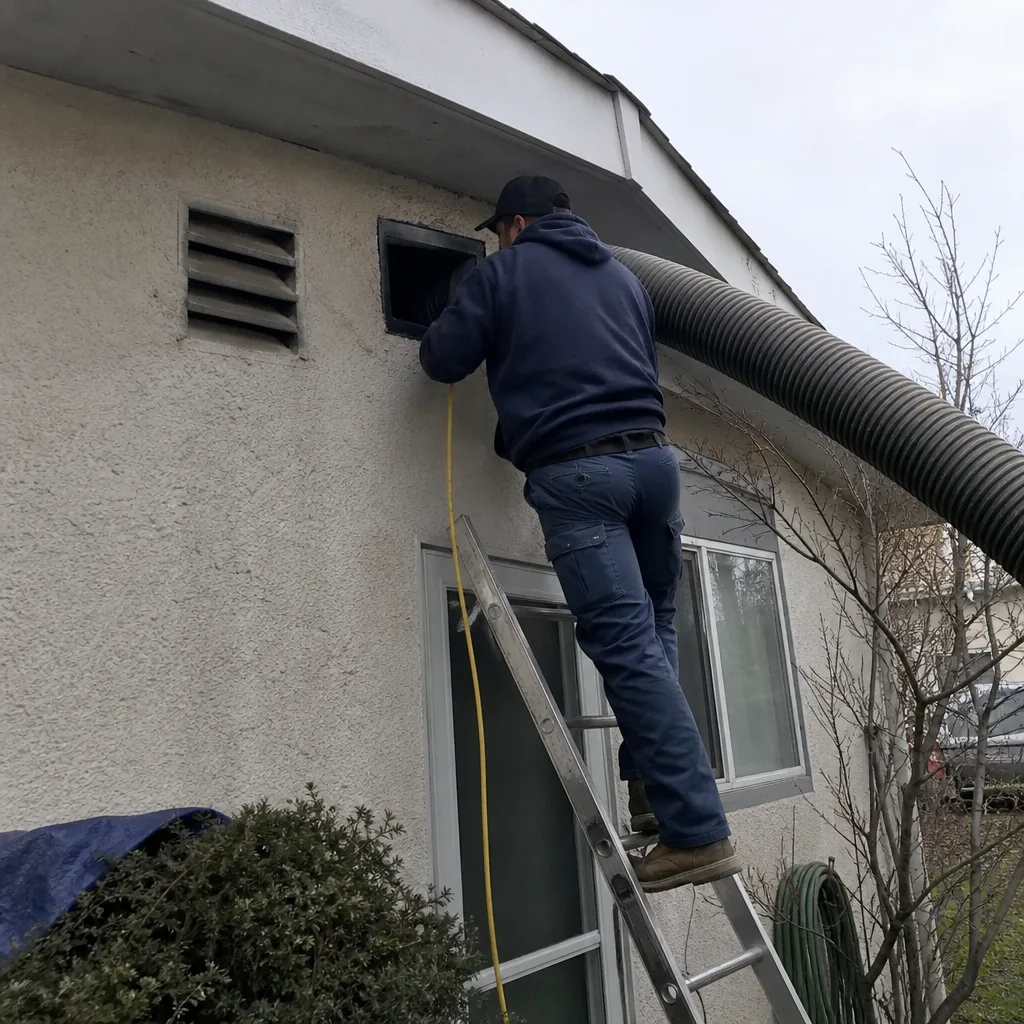 Before
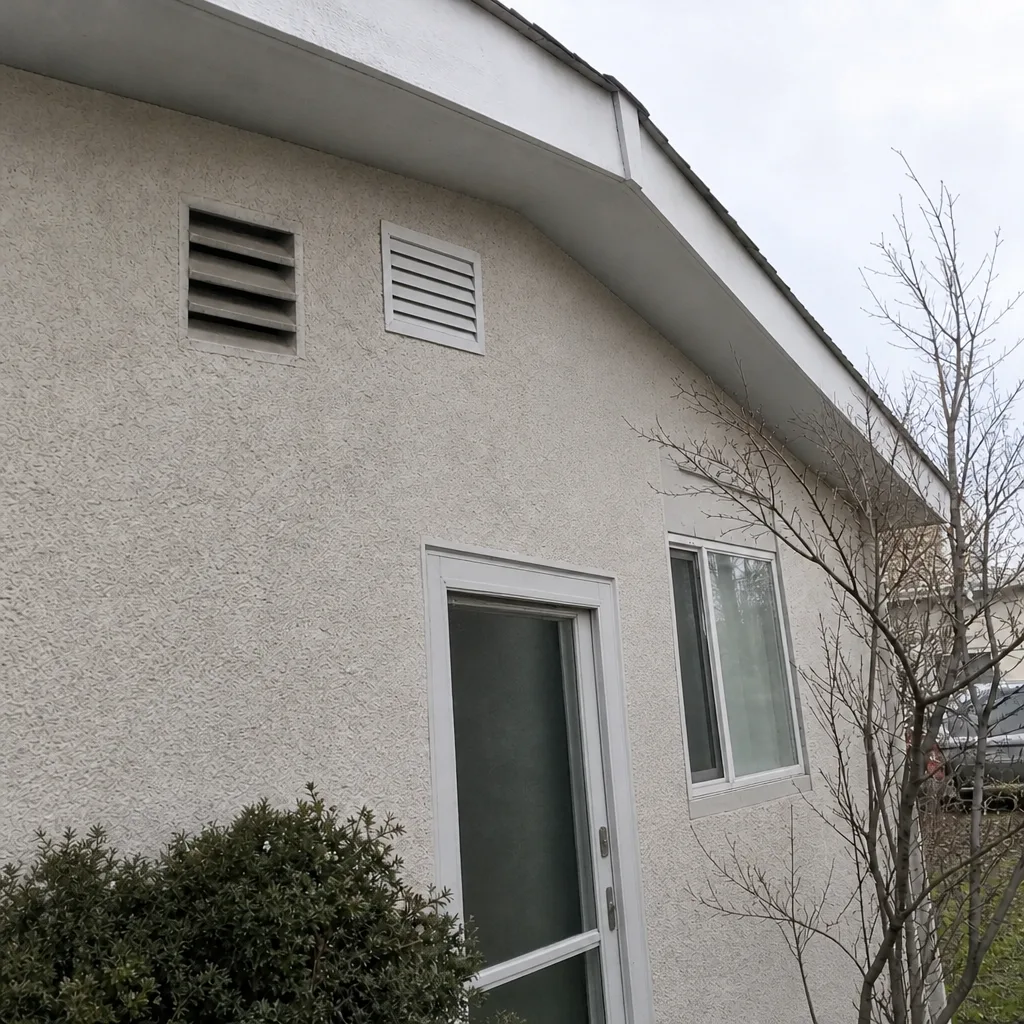 After
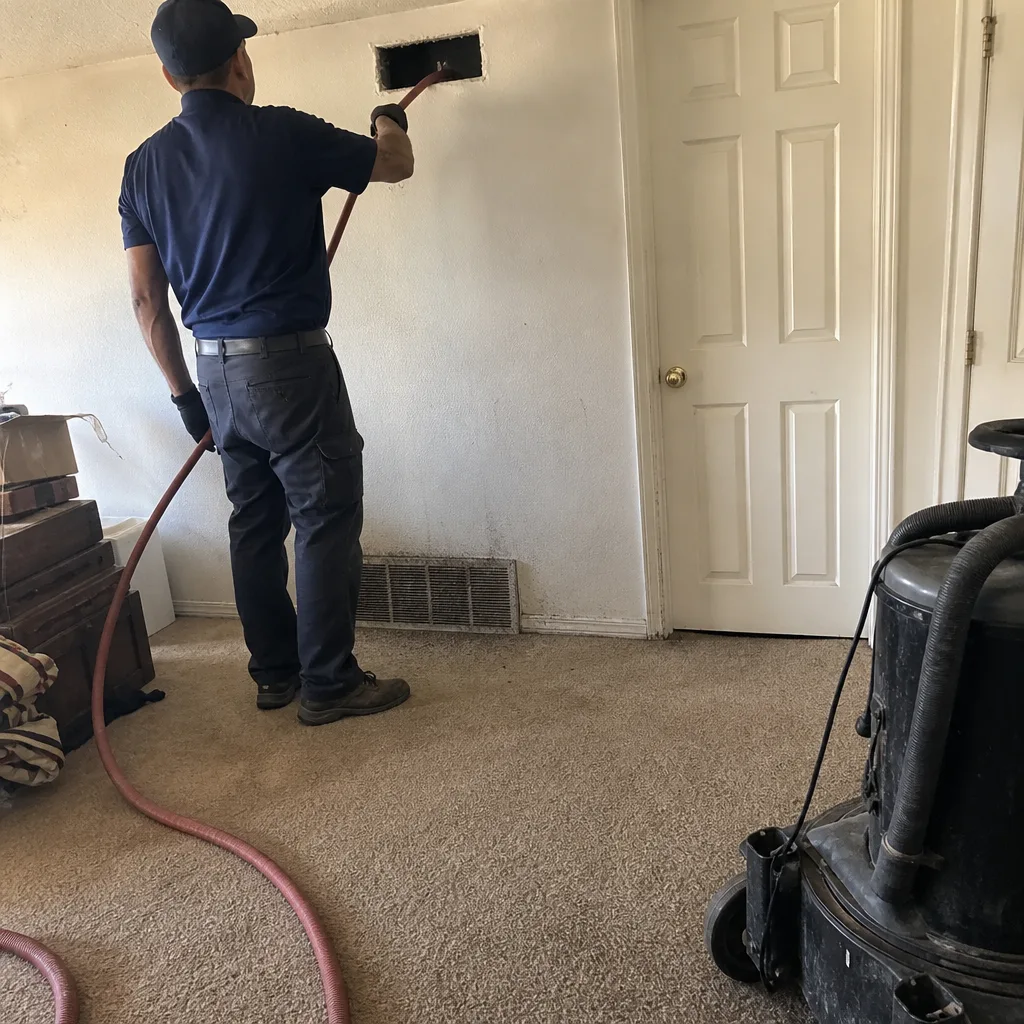 Before
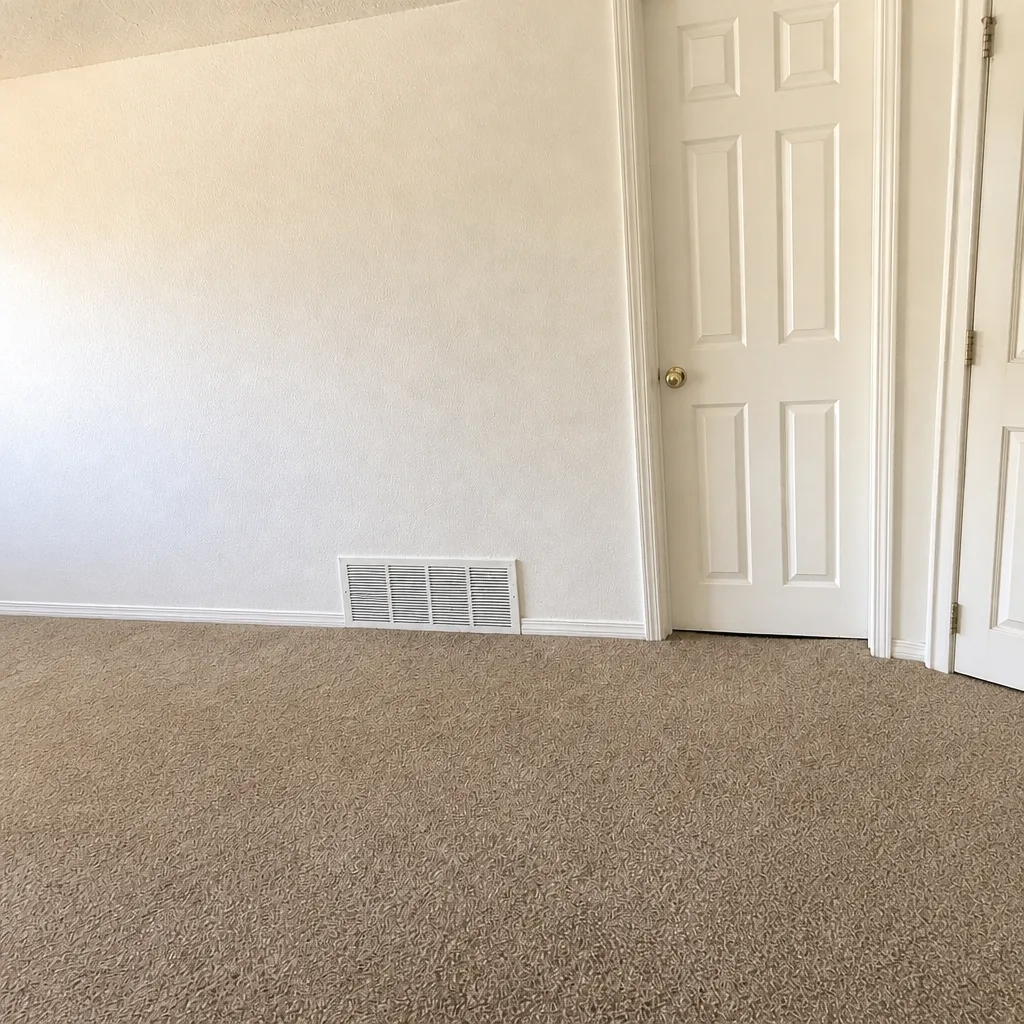 After
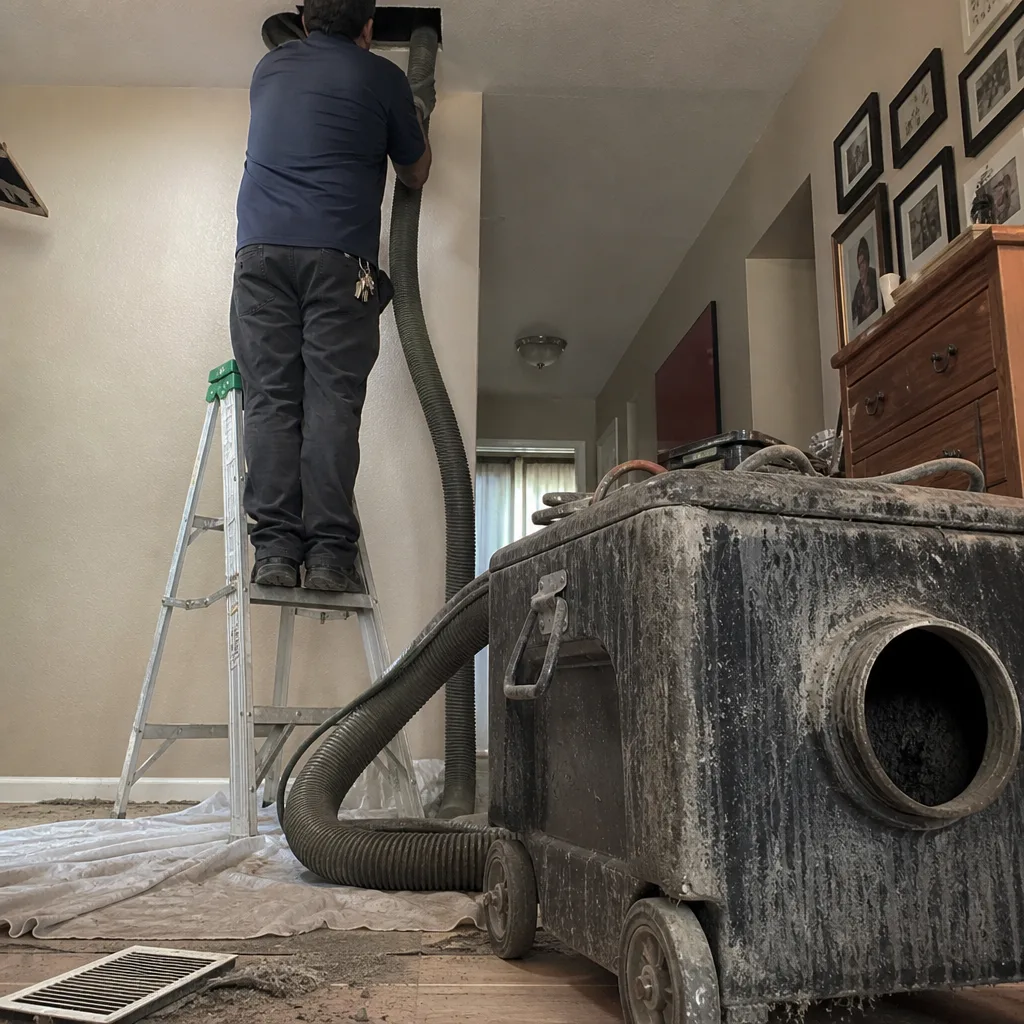 Before
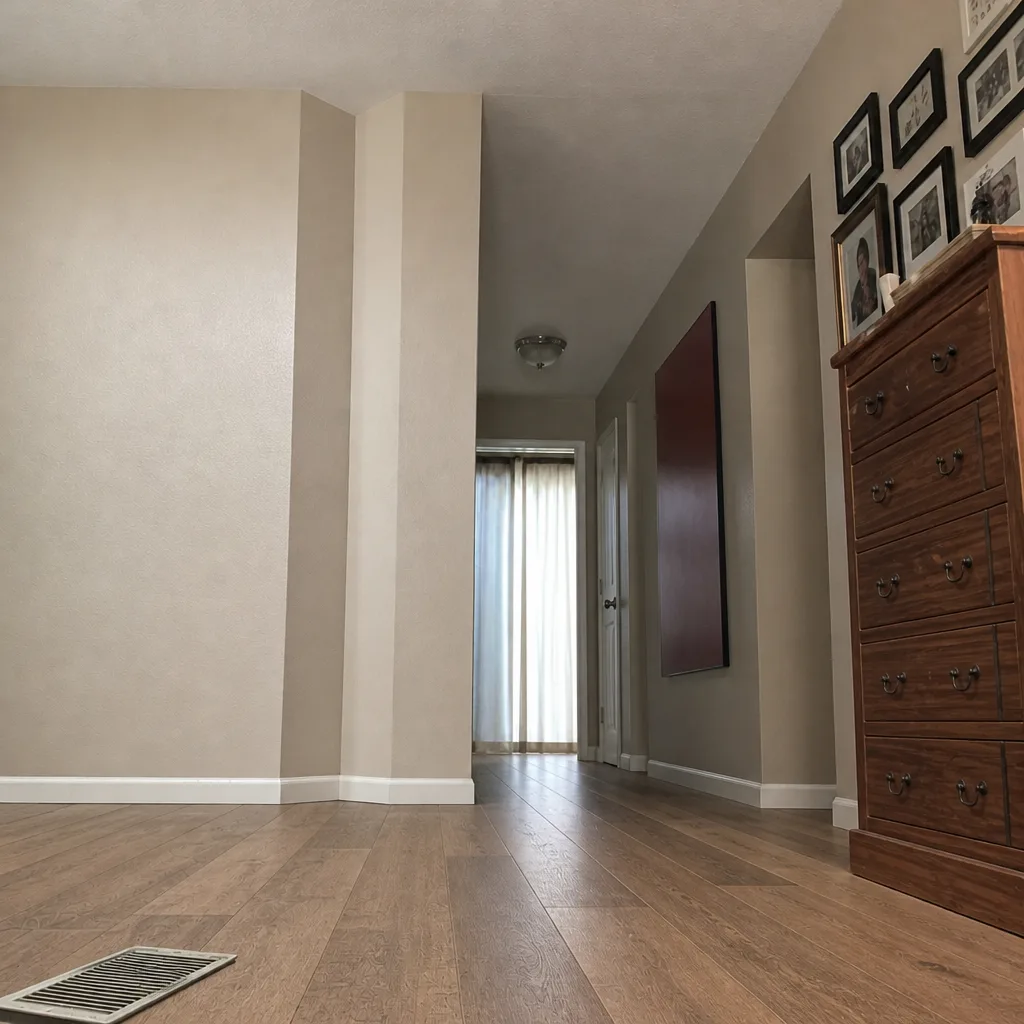 After